Korea Travel Rules: What Changed
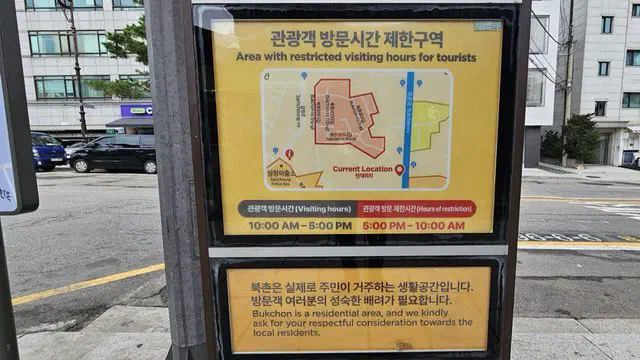
Entry cards, K-ETA, VAT refunds and one district that fines you after 5pm. The rules that moved recently, each with the date it moved and the date checked.

Photo: Ilsang, Ilsang — Everyday Korea, unposed
Researched in Korean, written in English. The dates, the closing days, the rules that changed — and the day each guide was last checked.
Entry cards, K-ETA, VAT refunds and one district that fines you after 5pm. The rules that moved recently, each with the date it moved and the date checked.
Entry card, data, money, transit card, train — the Incheon arrival sequence in the order it happens, including the 2026 rule that catches people out.
T-money, line colors, exit numbers, rush hour, lost and found, luggage lockers — everything the Seoul subway assumes you already know, in one place.
Every comparison ranks Korea eSIMs by price per gigabyte. That is the wrong question. Here is what actually breaks, what it costs, and what changed this year.
Korean addresses encode the width of the road you are looking for. Google Maps has been missing the data to use them — and that changed in February 2026.
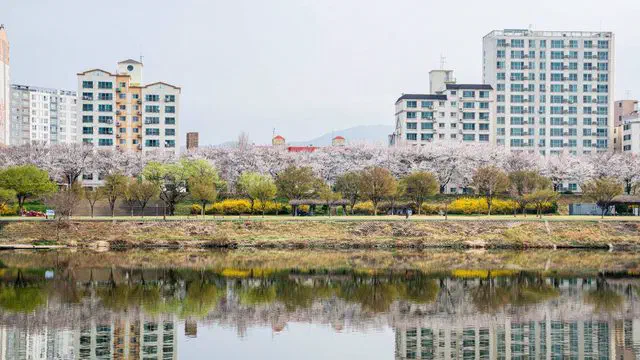
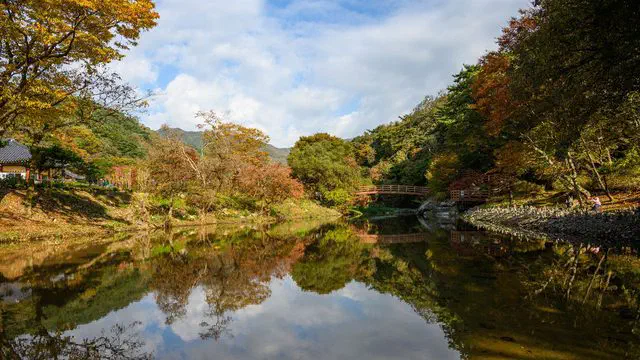
Cherry blossom crosses the country over about two weeks, and autumn color travels the other way at 20 km a day. Plan around the direction, not the month.
Taxi disputes, a medical emergency, a lost passport — the real Korean government channels for each, and the number to call first.
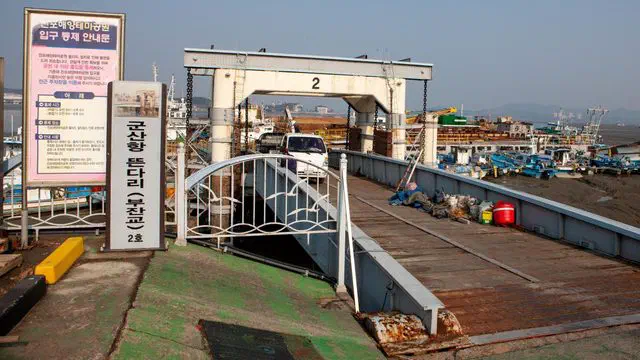
August 2026 card data shows Gunsan outspending Jeonju's hanok village among foreign visitors — and an 18-year-old ferry route to China explains why.
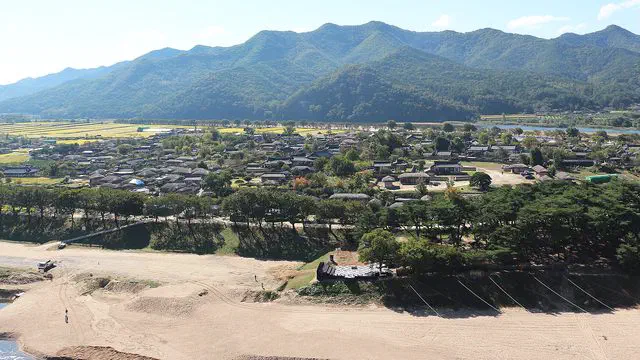
September: Andong is at its best right now.
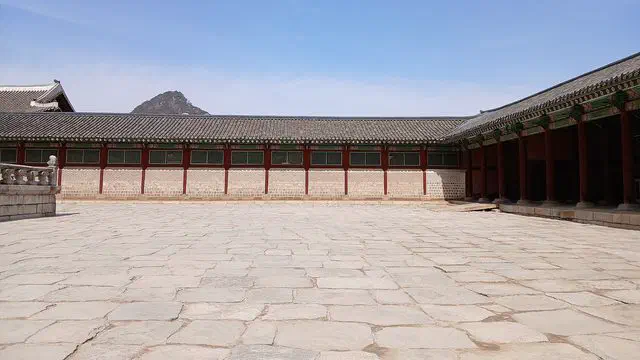
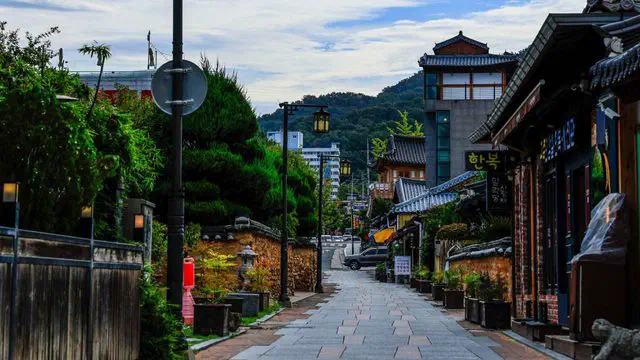
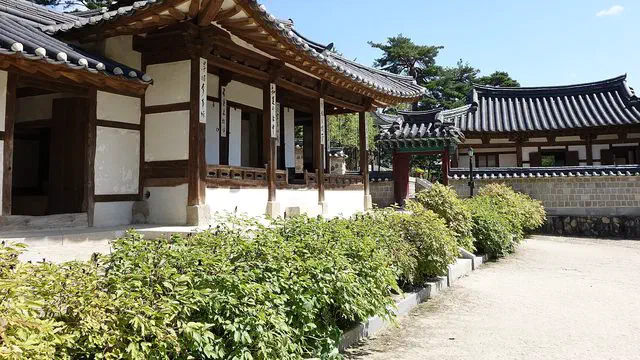
Palaces, hanbok and hanok neighborhoods, built around the one palace that closes each day.
Best: April, May, October
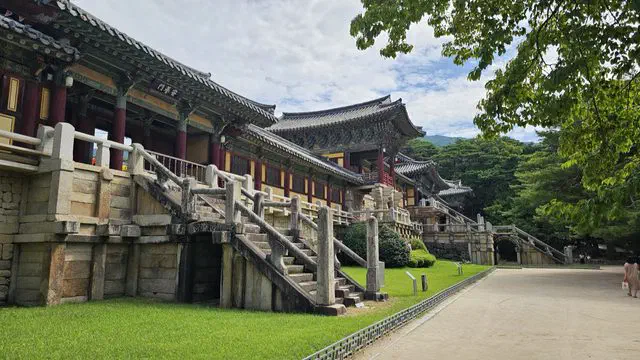
A thousand years as Silla's capital, covered in three days on foot and by coast.
Best: April, October
Hahoe Village, the mask tradition it produced, and a KTX that finally reaches it.
Best: September, October
Korea's coffee coast, two hours from Seoul since the KTX opened in 2017.
Best: June, July, August
A car-free ecological festival inside Siheung Gaetgol Ecological Park, built around the region's only inland tidal creek and a former salt field — the flagship performance reenacts the site's salt-making past.
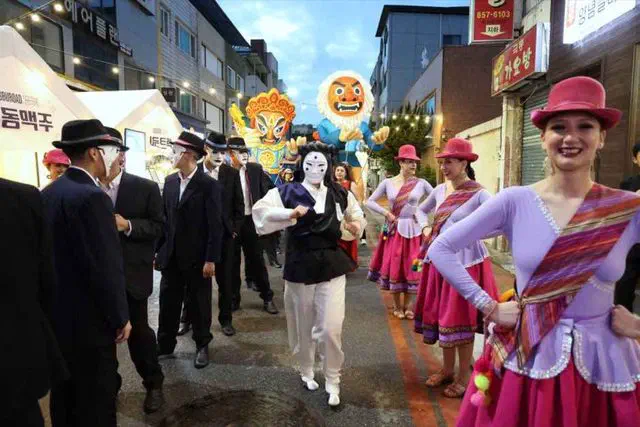
Talchum mask dance drama, UNESCO-listed in 2022, in the region the tradition comes from.
A harvest festival on Korea's only flat-horizon plain, around the ancient Byeokgolje reservoir.
See the full calendar, month by month →
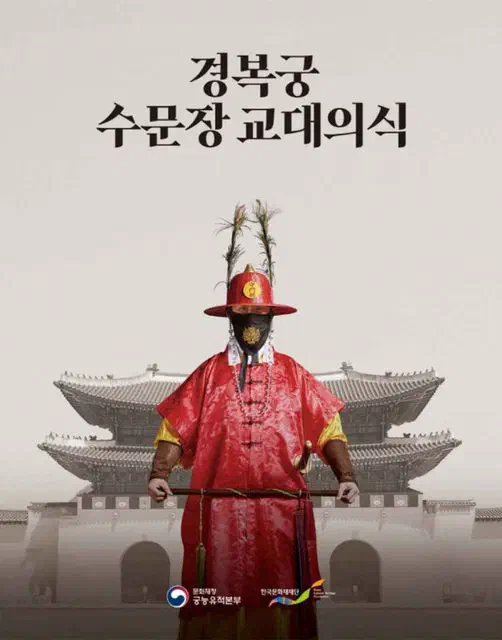
Costumed guards, drums and a gate ceremony reconstructed from Joseon court records, twice a day at Korea's main palace.
Jeongseon Arirang staged as the work song it was — sung by the nameless raftsmen who floated timber down the Han under Japanese rule, and the reason the song reached UNESCO's intangible heritage list.
Painters finish large canvases in front of you, in time with music and projection — the picture is not revealed until the last second.
All performances, by the day they run →
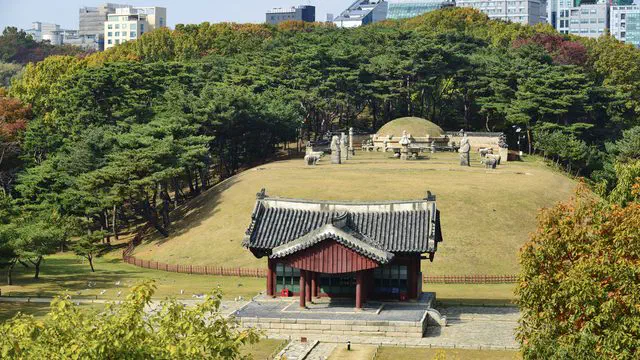
Six-hundred-year-old burial mounds with Gangnam's towers rising right behind them — a UNESCO royal tomb site, a five-minute walk from Seolleung Station.
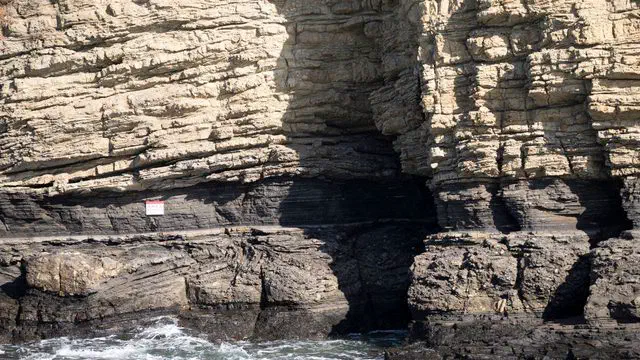
A cliff of stacked stone 'books' in the west, a solitary sea pillar in the south, jagged sea stacks in the east — three rock sites, and how to reach each one.
A National Intangible Cultural Heritage master still shows new work at his own museum of wood and stone carving, an hour and a half from Seoul in Yeoju.
UNESCO-listed ramie weaving from one county in Chungcheongnam-do — the fiber is split by hand, using the weaver's own teeth, and a bolt takes two months to make.
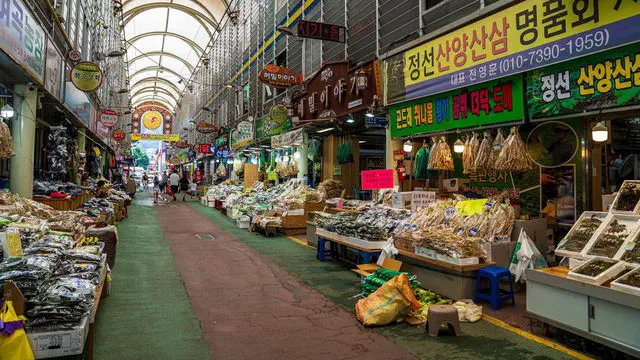
Korea's rural markets run on a five-day cycle, not every day. How the schedule actually works, and the one KTO already promotes to foreign visitors.
Seven working Buddhist temples, inscribed by UNESCO as a single site in 2018 — which ones you can reach without a car, and what makes each one worth the trip.
K-ETA's exemption status, a 'Visit Korea' hub coming by 2028, and the airport welcome program most visitors never hear about — sourced and dated.
Taxi disputes, a medical emergency, a lost passport — the real Korean government channels for each, and the number to call first.
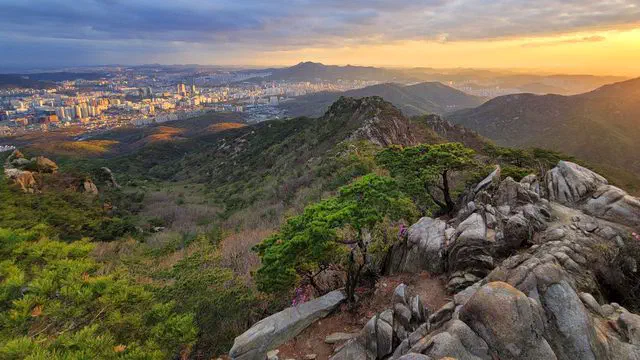
From a 30-minute walk in sneakers to a two-day ridge traverse — nine Korean hikes sorted by what they actually demand, easiest to hardest.