Getting In the Mud: A Guide to Korea's Tidal Flats
Last verified: 2026-09-05. Rules and prices change — always confirm on the official site before you travel.
This page contains affiliate links. If you book through them we may earn a commission at no extra cost to you. It never changes what we recommend.
Korea’s west coast tidal flats are large enough to be classed as biosphere reserves, and every one of them works on the same rule that kills the romance a little: the sea comes back faster than you can walk away from it.
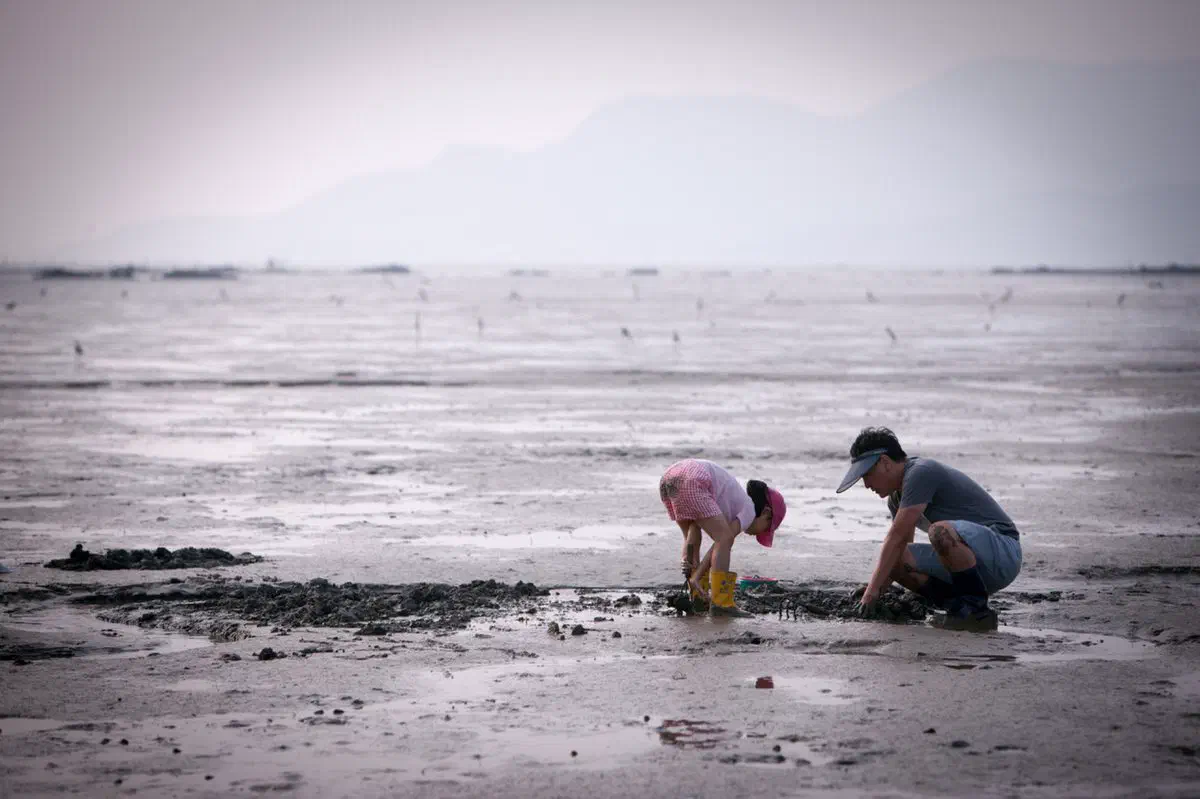
The number that matters
An incoming tide on Korea’s west coast moves at 7 to 15 km/h — two to three times faster than an adult walking pace. Over five years, Korea’s coast guard logged 17 tidal-flat and coastal accidents tied directly to people misjudging how much time they had left. None of that is meant to scare you off a mudflat entirely. It’s meant to replace “keep an eye on the water” with the actual number: once the tide turns, you have far less time than instinct suggests.
Check the tide before you check the weather
The National Oceanographic Research Institute (국립해양조사원) publishes official tide tables at khoa.go.kr, with an automated phone line (1588-9822) that reads out tide times if your Korean is better spoken than typed. Wind, waves and fog matter too, but the tide schedule is the one number that decides whether a plan is even possible that day — check it before anything else.
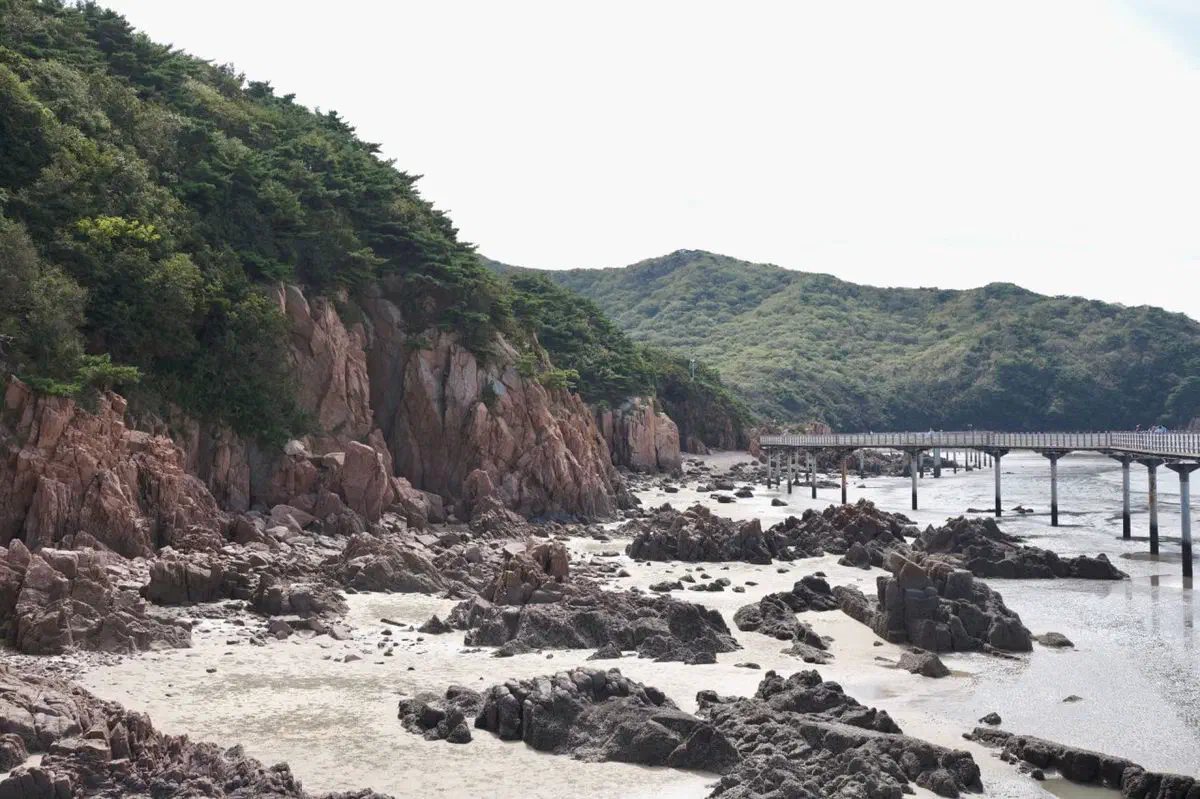
Two ways to actually do this
Look, don’t wade — Suncheon Bay’s wetland (순천만습지) is the postcard version: a raised boardwalk over reed fields and tidal creek, built specifically so nobody needs to set foot in the mud to see it. It’s a Ramsar-listed site and the safest possible introduction if getting muddy isn’t really the point.
Get in it, with a guide — for the hands-on version, villages along the Gochang and Boryeong coast run organized mudflat experience (갯벌체험) programs — Hajeon Village (하전마을) in Gochang is one of the longest-running. These come with rubber boots, sometimes a life vest, a guide who knows the local tide timing, and a clear turnaround time built into the program rather than left to your own judgment. That structure is the actual product being sold, more than the clam digging is.
What to bring if you’re going in
- Footwear
- Mudflat-specific rubber boots or shoes — bare feet and regular sneakers both fail here, differently
- Life vest
- Worth wearing even in shallow-looking flats — it’s cheap insurance against the one bad step
- Tide time
- Checked at khoa.go.kr or 1588-9822 before you leave, not after you arrive
- A turnaround time
- Set before you start, not decided in the moment once you’re already absorbed in it
Getting there
Most named mudflat villages sit well outside Seoul, reachable by intercity bus rather than KTX — our intercity and express bus guide covers booking a seat as a foreigner when the official sites won’t take your card. If you’re already following the Seohaerang Trail through Gochang, a mudflat stop needs almost no detour at all. A Korean eSIM matters more here than almost anywhere else on this site — a tide table you can’t load is a tide table you can’t use.
Quick answers
How fast does the tide come in on Korea's west coast?
How do I check tide times in Korea?
What's the difference between Suncheon Bay and a mudflat experience village?
Is it safe to walk on a Korean tidal flat without a guide?
Checked 5 September 2026. Incoming tide speed (7–15 km/h) and the comparison to walking pace from Korean coast guard and government safety-briefing reporting on tidal-flat accidents, via Korea’s policy news briefing on mudflat safety rules. The five-year, 17-accident figure from Korean coast guard reporting on restricted tidal-flat and coastal access zones. Tide-table access via the National Oceanographic Research Institute and its automated phone line from official Korean government safety guidance on mudflat experiences. Suncheon Bay’s Ramsar-listed wetland status is documented on its own designation records. Hajeon Village’s mudflat experience program from Korea Tourism Organization regional listings. Conditions, program availability and tide schedules change daily by definition — confirm on khoa.go.kr before any visit.