Mosi: The Summer Cloth Split With Bare Teeth
UNESCO-listed ramie weaving from one county in Chungcheongnam-do — the fiber is split by hand, using the weaver's own teeth, and a bolt takes two months to make.

Photo: Korea Tourism Organization — ⓒ한국관광공사 사진갤러리-한국관광공사 김지호, Photo Korea
Minhwa folk painting, mother-of-pearl inlay, moon jars, seal carving. Learn from the artisans who still make these by hand.
Korean craft rewards knowing one mechanical fact about it. Mother-of-pearl shifts color because the shell is layered at the wavelength of visible light. Hanji outlasts ordinary paper by eight hundred years because of which way the papermaker swings the screen. Neither is marketing.
If you are buying rather than watching, read who actually made it first — English translates four different Korean designations as “master”, and they are not equivalent.
Most of these studios are on alley addresses, which is its own problem.
UNESCO-listed ramie weaving from one county in Chungcheongnam-do — the fiber is split by hand, using the weaver's own teeth, and a bolt takes two months to make.
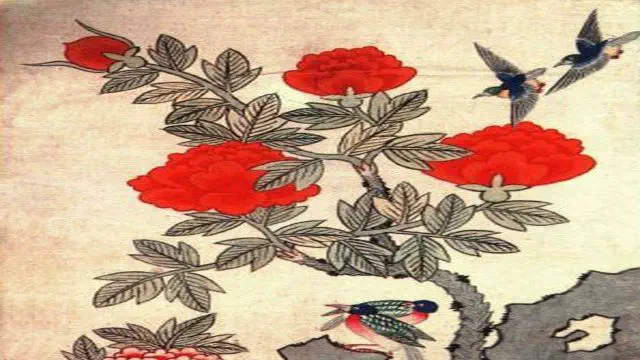
Korea's literati painters signed and sealed every scroll. Minhwa's folk painters mostly didn't — and the missing name explains who they actually were.
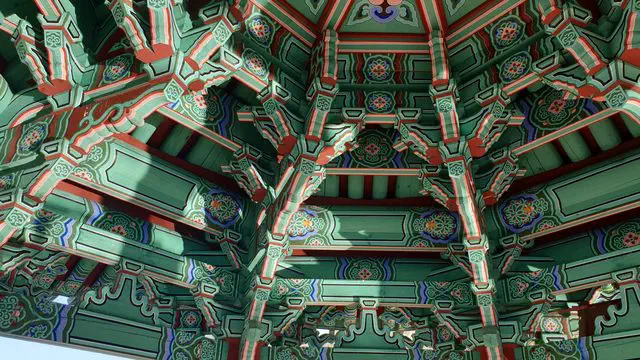
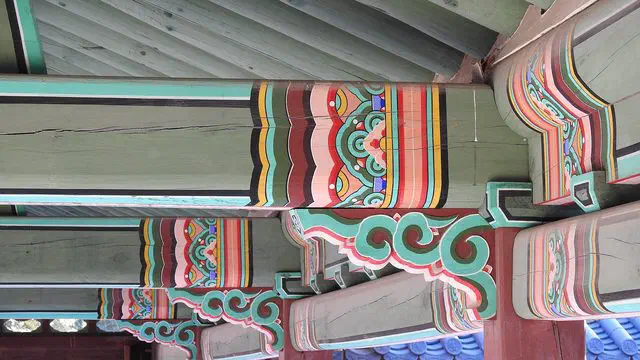
Even Joseon's wealthiest nobles were barred from painting their own homes in dancheong. The color rules behind every palace and temple roof.
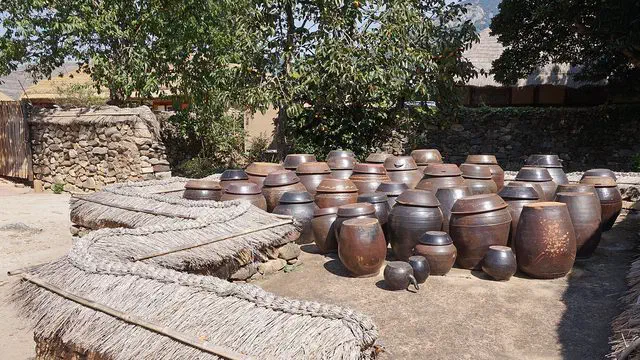
Onggi isn't watertight by accident — a porous clay wall lets air through and keeps liquid in, which is the real reason Korean fermentation works.
Ordinary paper turns to dust in two centuries. Hanji is rated for a thousand years, and the reason is a movement of the hand that Japan's method replaced.
Holder, transmission teacher, food master, industrial master — four designations from three ministries, and English calls every one of them 'master'.
Eighteen traditional craft classes in Seoul, from $22 to $140. Which take same-day bookings, which run shorter than advertised, and which you cannot carry home.
Najeon has no pigment in it. The color comes from the structure of the shell, which is why it shifts as you move and why photographs never do it justice.