Mosi: The Summer Cloth Split With Bare Teeth
Last verified: 2026-09-18. Rules and prices change — always confirm on the official site before you travel.
This page contains affiliate links. If you book through them we may earn a commission at no extra cost to you. It never changes what we recommend.
Mosi is the one craft on this site where the maker’s own teeth are a tool. Splitting ramie fiber thin enough to weave means pulling each strand between the front teeth by hand, one at a time, before it goes anywhere near a loom — a detail two independent sources confirm rather than a piece of tourist-brochure color. UNESCO recognized the whole tradition in 2011; almost none of the process that makes it possible has changed since long before that.
What mosi actually is
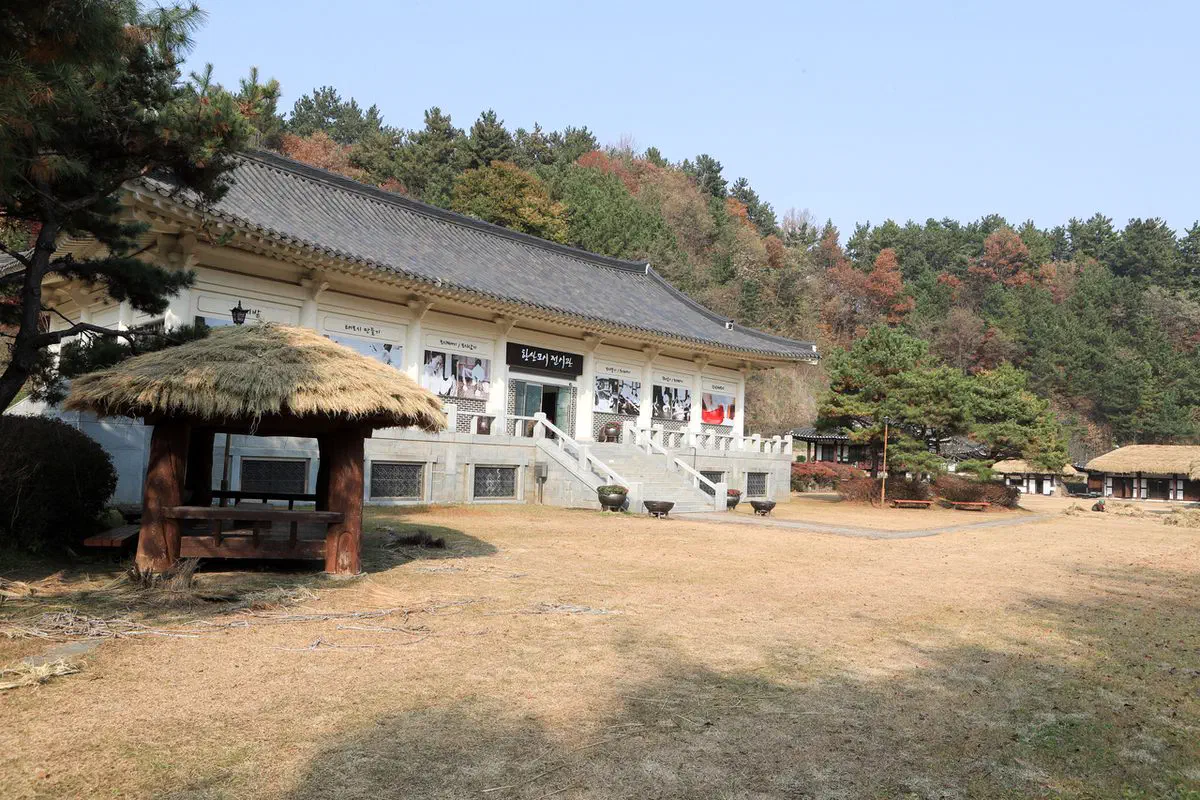
Mosi is cloth woven from ramie, a plant fiber, and Hansan — a small area of Seocheon County in Chungcheongnam-do — is where Korea’s finest version of it has been made for centuries. UNESCO inscribed “Weaving of Mosi (Fine Ramie) in the Hansan Region” on its Representative List of the Intangible Cultural Heritage of Humanity in 2011; Korea had already designated it National Intangible Cultural Property No. 14 back in 1967. The finished cloth is prized for being crisp, bright white, and cool against skin in summer — traditionally cut into dress clothing, military uniforms, and mourning garments for exactly that reason.
The process, and where the teeth come in
Making a single bolt (about 31 cm × 21.6 m) runs roughly two months, start to finish: harvesting ramie shoots, peeling the bark with a special knife, sun-drying the fiber until it browns, splitting each strand thin enough to spin by pulling it between the front teeth, connecting the split fibers by hand, treating them with soybean glue, threading the loom, and finally weaving on a traditional back-strap loom that uses the weaver’s own body to control tension. Every step before the loom is done by hand and eye — there is no shortcut that produces the same grade of cloth.
Seeing it: the Hansan Mosi Museum
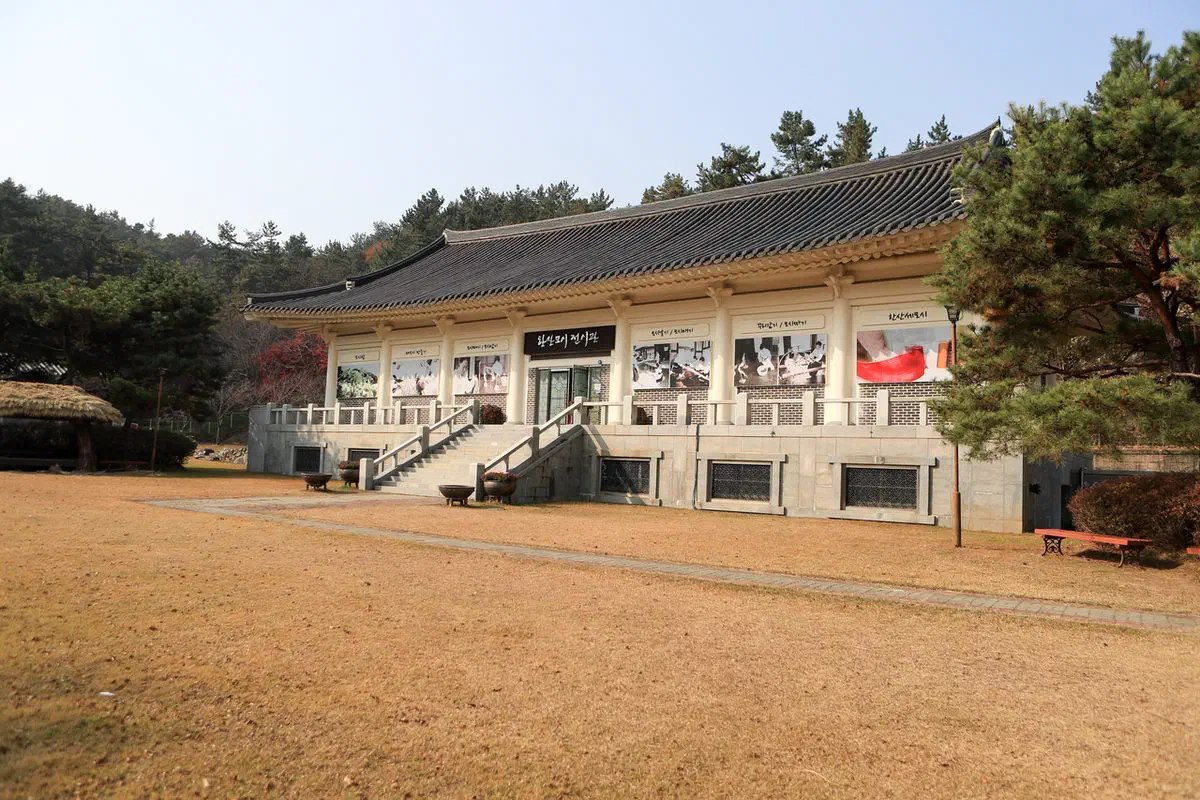
Seocheon County runs a dedicated Hansan Mosi Museum, about 85,000 m² of grounds including an exhibition hall, working demonstration space, a folklore hall, and even a brewery for a local traditional liquor made on the same site. Visitors can watch the full production sequence in person and, at times, join hands-on weaving or natural-dyeing sessions.
- Hours
- 10:00–18:00 March–October, 10:00–17:00 November–February
- Admission
- ₩1,000 adult, ₩500 teen, ₩300 child
- Address
- 1089 Chungjeol-ro, Hansan-myeon, Seocheon, Chungcheongnam-do
- Getting there
- Bus or train from Seoul to Seocheon, then a local bus — roughly 3.5–4.5 hours total
There’s no direct train from Seoul to the museum itself — the practical routes are an intercity bus from Seoul’s bus terminals to Seocheon, or a train to Seocheon Station, either way followed by a local bus for the last stretch. It’s a genuine day trip, not a quick detour.
The Hansan Mosi Culture Festival
Held annually in June at the museum grounds, free to attend. The 36th edition runs 12–14 June 2026, with a traditional fiber-splitting-and-weaving folk performance, a mosi fashion show, hands-on mini-loom weaving for visitors, and a concert. Korea’s own tourism authority promotes it internationally as the country’s “premier eco-friendly traditional textile festival” — though as with any small rural county festival, don’t expect the level of English signage or interpretation you’d find at a major Seoul event.
Buying it — and the one thing worth knowing first
If you’re shopping rather than just visiting, know this going in: genuine hand-woven Hansan mosi is a slow, skilled, two-month-per-bolt product, and it’s priced like one — bolt fabric is graded by thread count and sold through the region’s own Hansan Mosi Association, with prices that vary by grade rather than a fixed sticker price. Machine-made “ramie-look” fabric sold elsewhere as mosi is a real and long-documented problem — Hansan’s own museum director was quoted warning about mislabeled cloth as far back as 2004 — so buying directly through the association at Hansan, rather than from an unrelated market stall, is the way to be sure of what you’re actually getting. For smaller souvenir-scale items — fans, accessories, or clothing rather than raw bolts — ask at the museum or the association shop directly, since prices for those aren’t published and vary by piece. If you’d rather ship something home than carry it, check which Korean souvenirs actually survive the trip abroad before you commit to fabric.
A Korean eSIM is worth having before the trip — Seocheon’s local buses run on schedules that are easier to check live than to plan around from home, and our guide to who actually made it is worth reading before you buy any hand-made Korean craft, mosi included, since the vocabulary English coverage uses for “master” rarely maps cleanly onto what’s actually being sold.
What is mosi made from?
Is it true mosi weavers split fiber with their teeth?
Is all "mosi" fabric sold in Korea genuinely hand-woven?
When is the Hansan Mosi Culture Festival?
Checked 18 September 2026. UNESCO inscription year and official title from UNESCO’s Intangible Cultural Heritage listing. 1967 domestic designation from Korean heritage records. Production process and the fiber-splitting detail corroborated independently by The Textile Atlas and the Korea Foundation’s KOCIS webzine, July 2018. Museum hours, admission and address from VisitKorea and Seocheon County’s official English page. 2026 festival dates from VisitKorea’s official festival listing. The counterfeit-mosi warning from a 2004 Beopbo Newspaper interview with the museum’s director — cited as historical context on a long-running problem, not a current market statistic. Grading and purchasing guidance from Seocheon County’s own mosi buying-guide page. Bus and train timings are approximate — confirm against a live routing app before traveling, as regional schedules change.