Korean Craft Workshops in Seoul: What to Book
Last verified: 2026-09-03. Rules and prices change — always confirm on the official site before you travel.
This page contains affiliate links. If you book through them we may earn a commission at no extra cost to you. It never changes what we recommend.
Korean craft workshops in Seoul will teach you to inlay mother-of-pearl, paint a folk tiger, throw a moon jar, carve a name seal or brew rice wine in an afternoon. Prices run from about $22 to $140.
The listings will tell you all of that. They will not tell you the two things that actually decide which one you should book: how far ahead you need to commit, and whether you can take the thing home.
The take-home problem
This is the real divide, and no English listing states it plainly.
Take it with you the same day: mother-of-pearl, folk painting, calligraphy, knotwork, natural dyeing, bookbinding, seal carving. Korean workshop reviews put najeon classes at 40 to 60 minutes of work plus about ten minutes for the finish to set, and then it is in your bag.
Comes later, or not at all: anything fired. Pottery has to go into a kiln after you leave, which means collecting it days later or paying to have it shipped. If you are in Seoul for four nights, a moon jar class is a class you attend and an object you may never hold again.
Ask before booking if the listing does not say. “Do I take it home today?” is the single most useful question in this category.
Lead time: almost nothing is truly walk-in
Checking the platform on 8 August 2026, most listings needed at least a day’s notice. A handful showed same-day availability, and those were mostly outside Seoul.
That is a platform artifact as much as a real constraint. Workshops around Insadong and Ssamziegil do take walk-ins directly — Korean reviews describe turning up, being taught in a group of about five, and leaving with a mother-of-pearl phone grip an hour later. The platform simply needs the lead time to confirm on your behalf.
So: if you know your dates, book ahead and pay the listed price. If you are already in Insadong with a free afternoon, walk in and ask.
What Korean craft workshops in Seoul actually cost
Prices moved roughly ten percent upward between two readings weeks apart, so treat these as the shape of the market rather than a quote.
Where to start
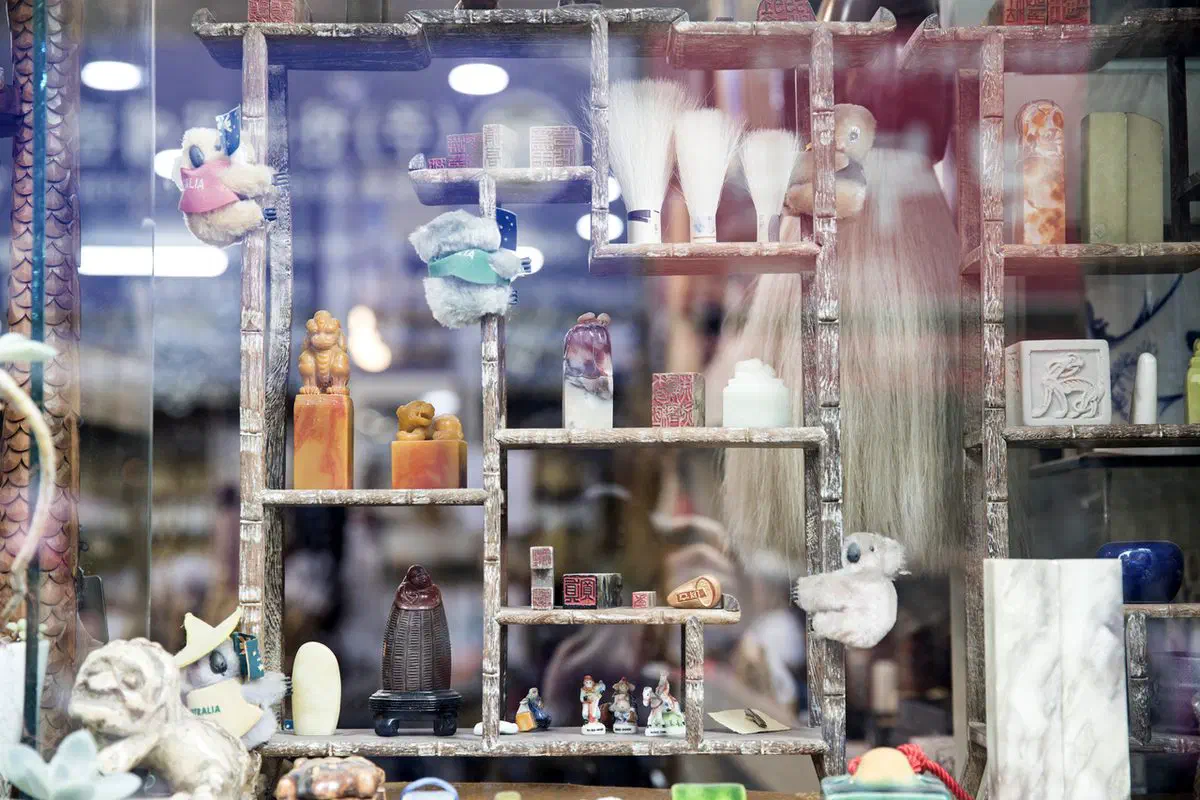
If you want one class and no research: Korean Mother-of-pearl Craft Class at $33. It has 900+ bookings and a perfect 5.0 across 105 reviews, which is the strongest combination of volume and rating in the category. The studio is Hwiho Craft, and it sits near Hongdae — worth knowing before you build a day around Insadong. You make a small object — the listing shows phone grips, keyrings, compact mirrors and ring boxes — and you take it with you.
Najeon is also the craft that rewards doing over watching. Shell is cut and set into lacquer, and the color shifts as you tilt it, because you are looking at light bouncing off the inside of a shell. That does not photograph. It has to be in your hand.
Cheapest worthwhile: Najeonchilgi mother-of-pearl at $21.89, or Joseon-style painting in acrylic at $22.95. The najeonchilgi class runs in a studio done up like a Korean high school, which is either the appeal or the reason to skip it. Its record is much shorter than the $33 class above — 11 reviews and 50+ bookings — so you are paying less for a less-proven slot, not for the same thing cheaper.
If you want the painting tradition properly: Minhwa folk art painting . Minhwa is the domestic, unserious end of Korean art — the tigers are comic and cross-eyed on purpose, painted for ordinary houses rather than palaces.
Be aware of what you are booking, though. This one is still flagged as a new activity with 4 reviews, so the 5.0 next to it means four people liked it, not that it is established. Minhwa is the right subject; this is not yet the proven listing that the mother-of-pearl class is.
Something to write with, not hang: Stone seal carving in Euljiro at $46.89. You leave with a personal seal cut in Hangul, which is a functional object rather than a souvenir.
Least tourist-shaped: Makgeolli brewing at a working brewery at $83.05.
Also on the shelf: natural dyeing ($27.35), traditional knotwork ($47.95), bookbinding ($53.90) and fan painting and calligraphy in Hongdae ($40.05).
Two things the listings get wrong
Duration is padded. Several classes are listed as “up to 3 hours” when Korean reviews of the same workshops describe 40 to 90 minutes of actual work. Budget the listed time so you are not rushed, but do not build the day around it.
Group size is small. Reviews describe classes of about five people. That is good — it means real instruction — but it also means the slot genuinely sells out, which is why the platform wants a day’s notice.
Practical
Two different maps are at work here, and conflating them is how people end up crossing the city twice in one afternoon.
Insadong is where the walk-ins are. Ssamziegil, the spiral mall, has workshops inside it and the surrounding lanes hold most of the rest. It is a few minutes from Gyeongbokgung, so a hanbok rental and palace morning pairs with an afternoon class with no travel in between.
The platform-booked classes are scattered. The strongest one on this page is by Hongdae. Seal carving is in Euljiro, kintsugi in Bukchon, fan painting in Hongdae. Check the meeting point on the listing before you assume it is walkable from wherever you booked a palace ticket.
Most Bukchon and Seochon hanok stays are walking distance too.
If you would rather buy the finished thing than make it, our guide to what actually ships abroad covers which crafts survive the post. And get a Korean eSIM first — workshop addresses are alley addresses, and you will want Naver Map. Our eSIM comparison covers which one.
Quick answers
Which Korean craft workshops let you take your project home the same day?
Do Korean craft workshops in Seoul need advance booking?
How much do Korean craft workshops in Seoul cost?
Is the listed class duration accurate for Korean craft workshops?
Prices checked 8 August 2026; listings re-checked 3 September 2026. The price figures and the chart above are the 8 August reading and have not been re-taken since — Klook moves them, so treat the chart as the shape of the market and confirm at checkout. Review counts, booking volumes, studio names and meeting-point neighbourhoods were read again directly from each Klook listing on 3 September 2026. Duration and group size from Korean-language workshop reviews on Naver.