Why Korean Mother-of-Pearl Changes Color
Last verified: 2026-08-08. Rules and prices change — always confirm on the official site before you travel.
This page contains affiliate links. If you book through them we may earn a commission at no extra cost to you. It never changes what we recommend.
Tilt a piece of Korean mother-of-pearl and the color moves. Green becomes pink, pink becomes silver, and a moment later it is green again.
There is no dye involved. The shell contains no pigment at all. What you are watching is light being taken apart by a structure roughly a thousand times thinner than a sheet of paper.
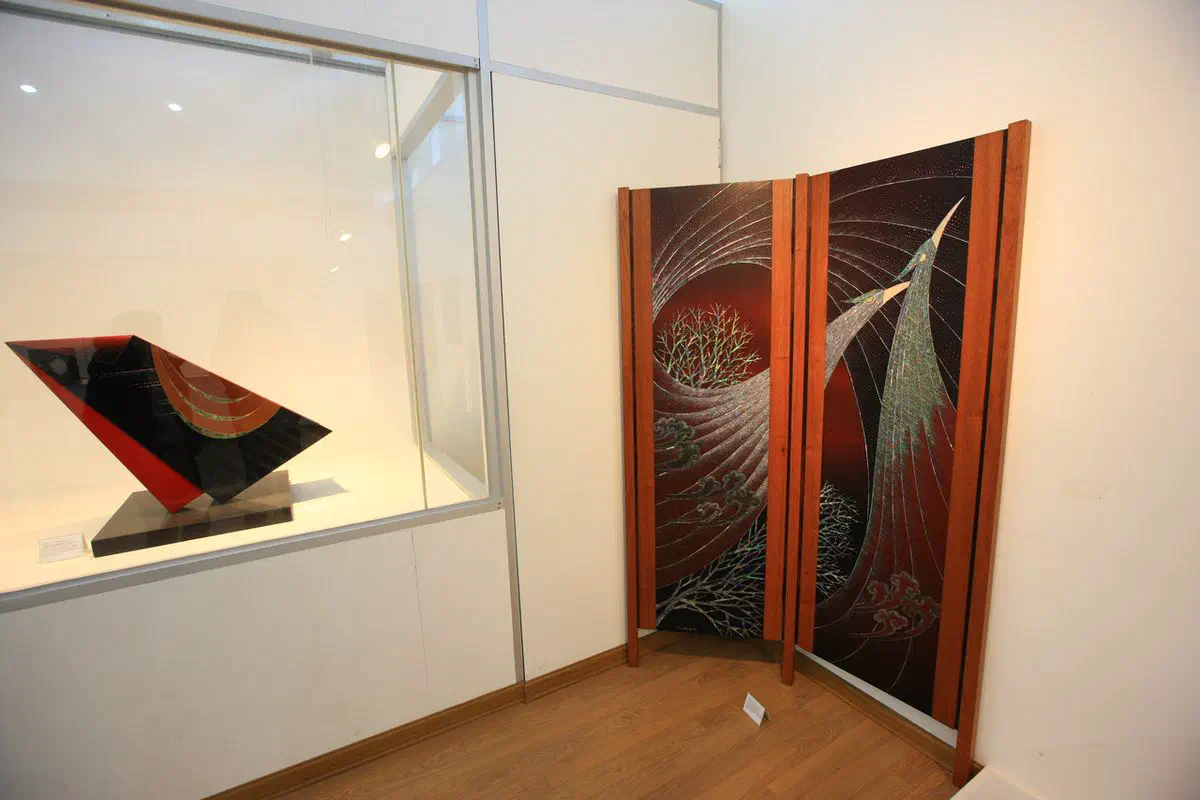
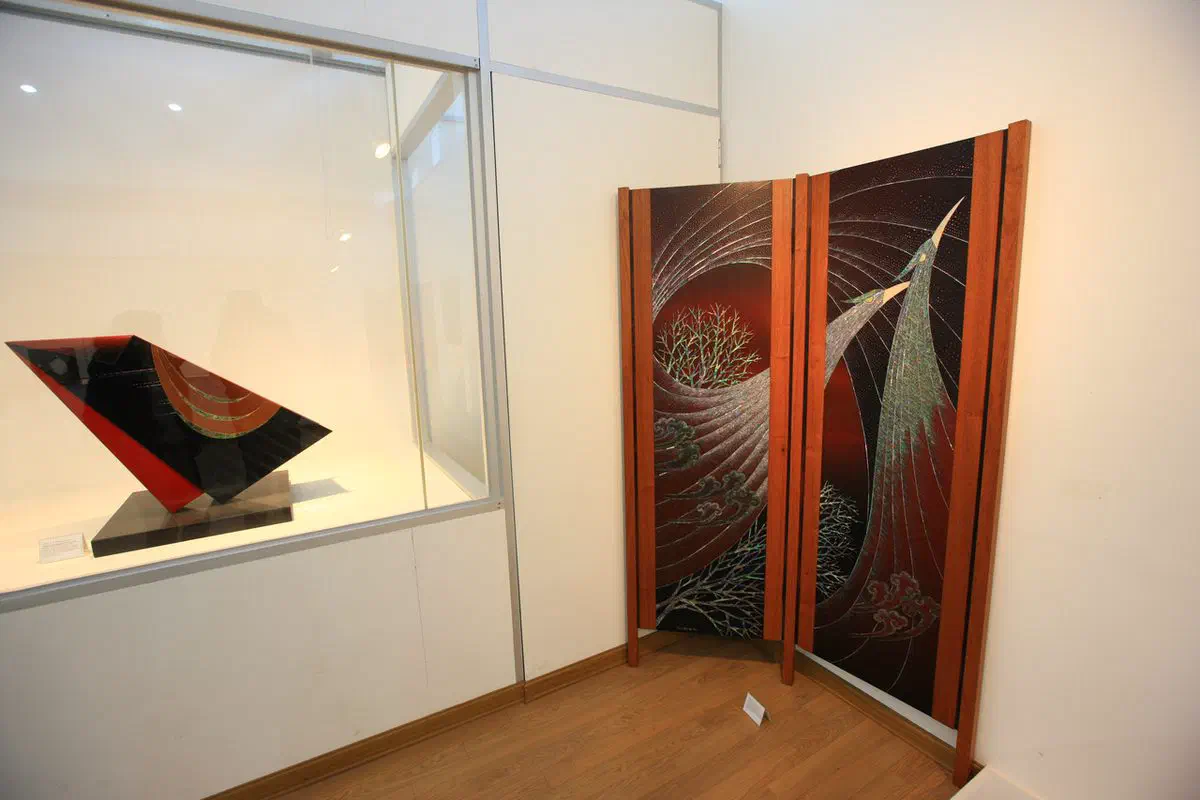
Korean mother-of-pearl gets its color from architecture, not material
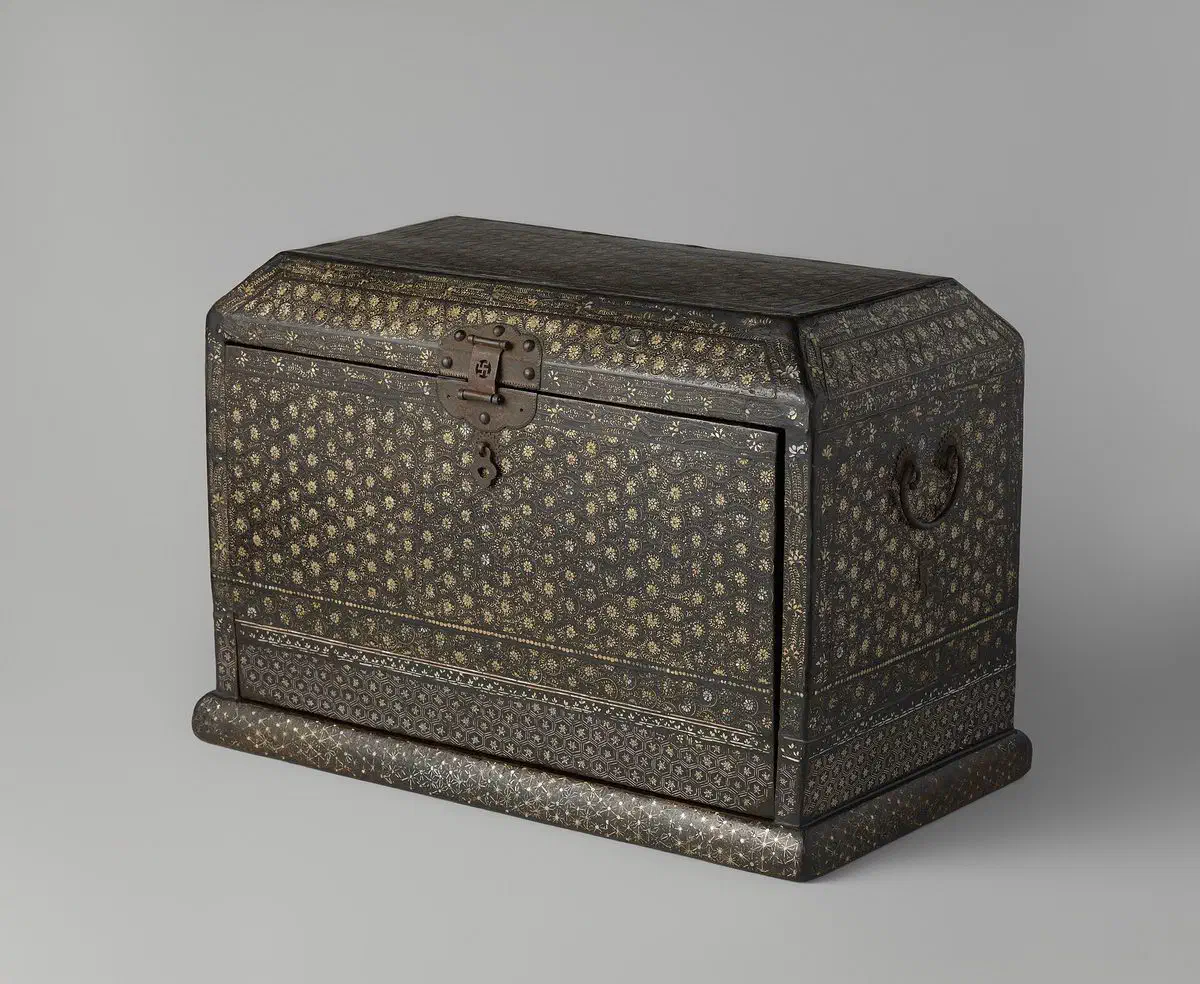
Nacre — the lining of the shell — is about 95% aragonite, a crystal form of calcium carbonate, held together by roughly 5% protein. The aragonite is not a solid block. It is stacked in flat platelets 300 to 500 nanometers thick, laid like brickwork, with organic layers between them only a few nanometers across.
That thickness is the important number, because visible light has wavelengths of about 400 to 700 nanometers. The platelets are the same size as the light hitting them.
Light bounces off the top of a platelet and off the one below it. The second reflection travels a slightly longer path, so the two waves arrive out of step. Some wavelengths reinforce each other and some cancel out. Which ones depends on the angle you are looking from.
Shift your head and the extra distance changes, so a different color survives. This is called structural color, and it is the same mechanism that makes a soap bubble or an oil film iridescent.
It also explains why najeon photographs badly. A photograph fixes one angle. The thing that makes the material worth looking at is what happens when the angle moves, and a still image throws exactly that away. This is a craft you have to see in person, which is inconvenient and true.
What Korean craftsmen do with it
Najeon-chilgi (나전칠기) is the Korean form: shell inlay set into lacquer. Najeon is the shell work, chilgi is the lacquerware, and the two words describe two halves of one object.
Korea designates it National Intangible Cultural Heritage, and the designation recognises two distinct techniques.
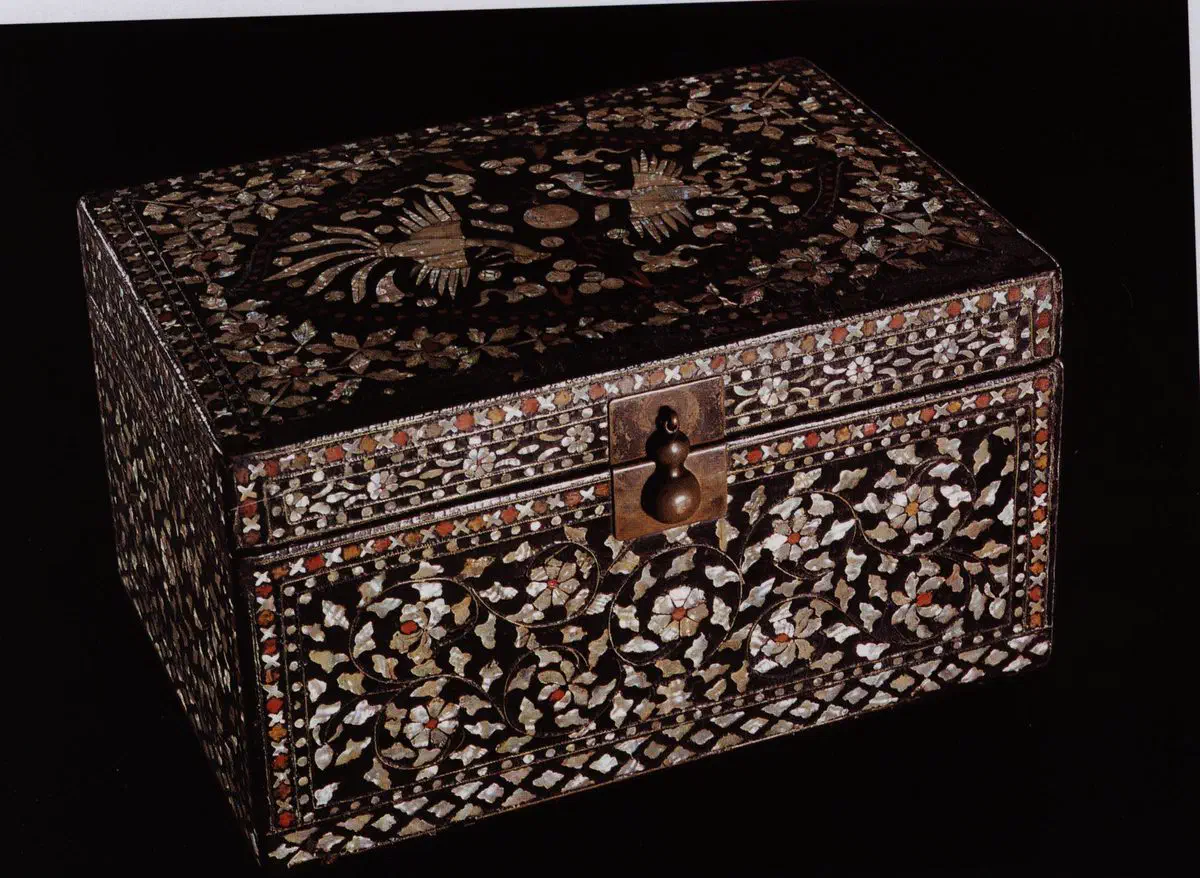
Jureumjil (줄음질) cuts shapes. The maker saws and files the shell into chrysanthemums, bamboo, turtles — figurative motifs that go into the surface.
Kkeuneumjil (끊음질) cuts thread. The maker reduces the shell to filaments called sangsa, then snaps and lays them piece by piece into straight and diagonal geometric patterns. It is the more punishing of the two.
Heritage records list holders separately by technique, working out of Tongyeong and Wonju. Tongyeong on the south coast is the historic center of the craft.
The part that sounds backwards
Here is the step that surprises people. The maker glues the shell onto the lacquered base, then lacquers straight over the top of it, burying the inlay completely.
Then they grind the surface back down until the pattern returns.
You do not lay the shell on top and admire it. You bury it and polish until it returns. Every piece of najeon you have seen was hidden before it was visible.
Buying: natural shell versus processed
This distinction is standard knowledge in Korean craft circles and effectively absent from English-language product listings.
| Natural shell (원패) | Processed / dyed shell | |
|---|---|---|
| Color | Thousands of natural crystal layers — deeper, three-dimensional shift | Dyed, including pastel pink, mint and purple |
| Thickness | Uneven, thicker | Under 0.1 mm, uniform slices |
| Working with it | Harder to cut | Much easier to cut and lay |
| Over time | Stable | Loses roughly 15–20% of its initial lustre within about three years in direct sunlight, and can fade |
The practical rule Korean makers use: natural shell for things you keep and look at — framed work, furniture, anything that will sit in a room for years. Processed shell for things you use and replace — phone grips, keyrings, small accessories where the design matters more than the decade.
Neither is a fake. Dyed shell is real shell. But if a listing shows mint green or lavender najeon, someone added that color, and it will not hold as long as the colors the animal made.
Seeing it properly
The honest recommendation is to hold one before you buy one.
Seoul’s craft workshops run najeon classes where you set shell into a small object over about an hour — Korean reviews describe phone grips, keyrings and hand mirrors, with roughly ten minutes at the end for the finish to harden before you take it away. The most-booked najeon class runs $33 with 800+ bookings and a 5.0 rating across 104 reviews. There is a cheaper option at $21.89 .
An hour of pushing shell into lacquer teaches you more about why the good pieces cost what they cost than any amount of reading. Workshop addresses are alley addresses, so sort out a Korean eSIM and use Naver Map to find the door.
If you would rather buy than make, najeon tumblers and thermal bottles have become the standard export format — small, light, and hard to break, which is more than can be said for celadon. Our guide to what actually ships abroad covers the rest, and the full workshop list covers what else you can make in an afternoon.
Quick answers
Why does Korean mother-of-pearl change color when you move it?
What's the difference between natural and processed mother-of-pearl?
What does najeon-chilgi mean?
Where is Korean mother-of-pearl inlay traditionally made?
Sources checked 8 August 2026. Nacre structure and thin-film interference from published materials science. Technique definitions and heritage designations from Korean cultural heritage records. Natural versus processed shell characteristics, including the lustre figure, from Korean-language craft sources. Workshop prices read from Klook.