Where to Go: Every Region Colors Korea Covers
Last verified: 2026-08-16. Rules and prices change — always confirm on the official site before you travel.
This page contains affiliate links. If you book through them we may earn a commission at no extra cost to you. It never changes what we recommend.
Six regions make up Colors Korea’s coverage so far, and they are not interchangeable stops on one itinerary. Each has a season it actually suits, a reason it made the list, and a full guide behind it. Three of the six carry an editor’s pick on the homepage — Seoul, Gyeongju and Andong, the ones with the most complete coverage right now — but all six earned their place here for a specific, checkable reason, not a generic “worth visiting” claim. This page is the map. The linked articles are the detail.
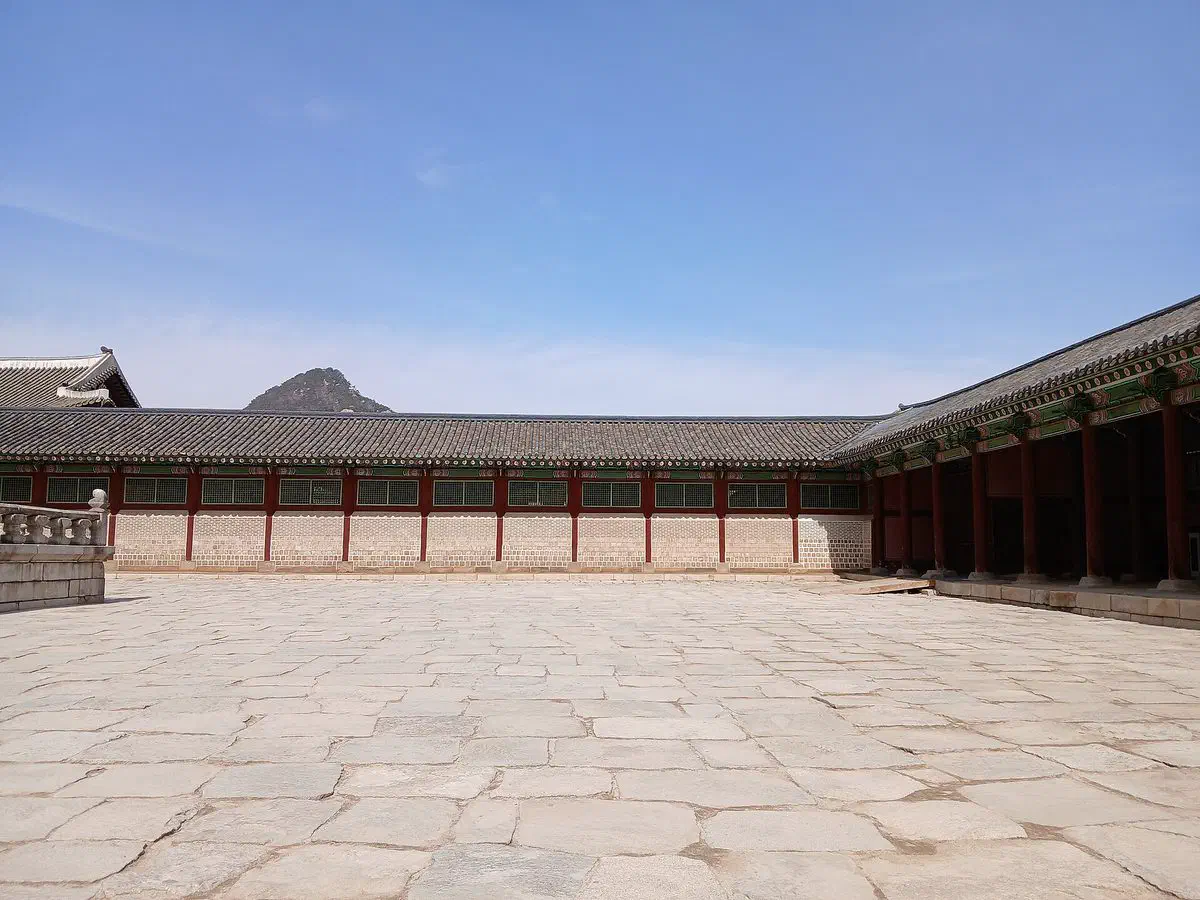
Seoul
Palaces, hanbok rental, hanok neighborhoods and the subway rules that catch first-time visitors — Seoul absorbs most of Korea’s foreign arrivals, and this site’s Seoul coverage is built around the one fact every itinerary trips over: Gyeongbokgung closes Tuesday, the other three palaces close Monday.
April, May and October suit it most: cherry blossom reaches Seoul in early April, Yeondeunghoe’s lantern parade runs through the city in May, and autumn color arrives by mid-October.
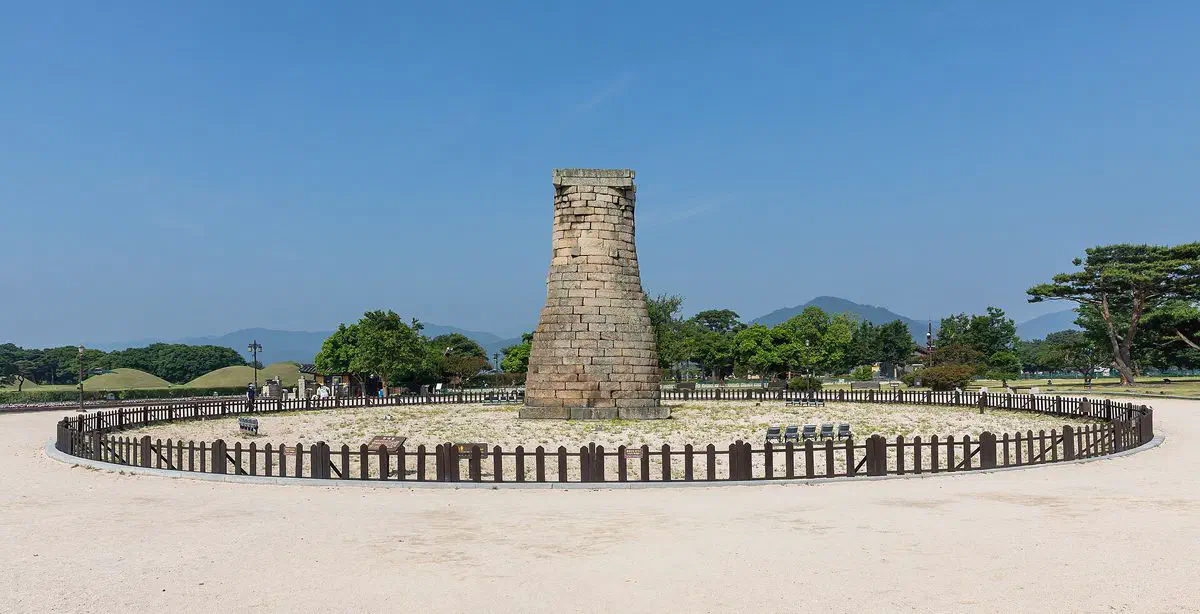
Gyeongju
A thousand years as the capital of Silla, and small enough to cover on foot in two days — if you know that “Gyeongju Station” sits 15 to 20 minutes outside the historic core it is named after, which is the trap most guides do not mention.
April and October work best here. Spring cherry blossom reaches Korea’s southeast early, and the Gyeongju Silla Cultural Festival, running since 1962, fills October.
Jeonju
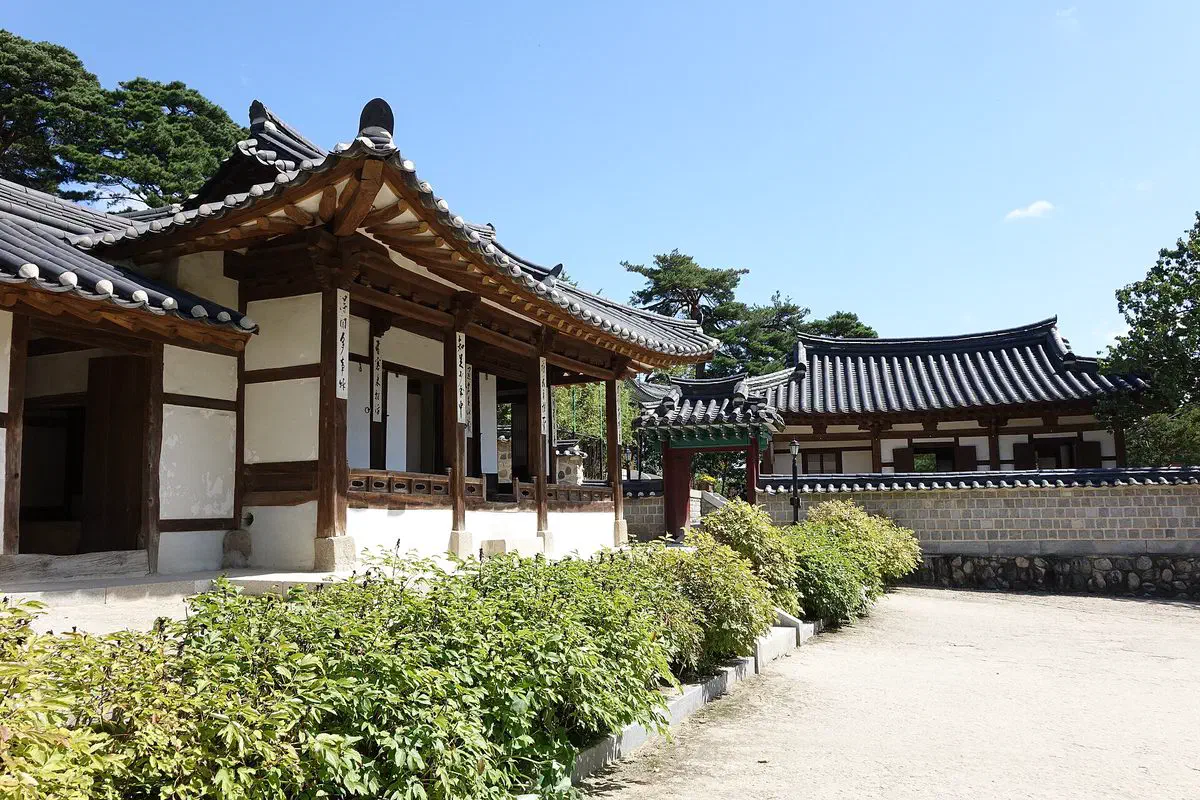
The largest concentration of hanok in the country — 735 of them in one village — and a food identity strong enough that a bibimbap festival fills the city every October alongside the hanji paper festival two weeks earlier.
October is the one month to circle. Both of Jeonju’s festivals land here, and autumn temperatures suit a village built for walking.
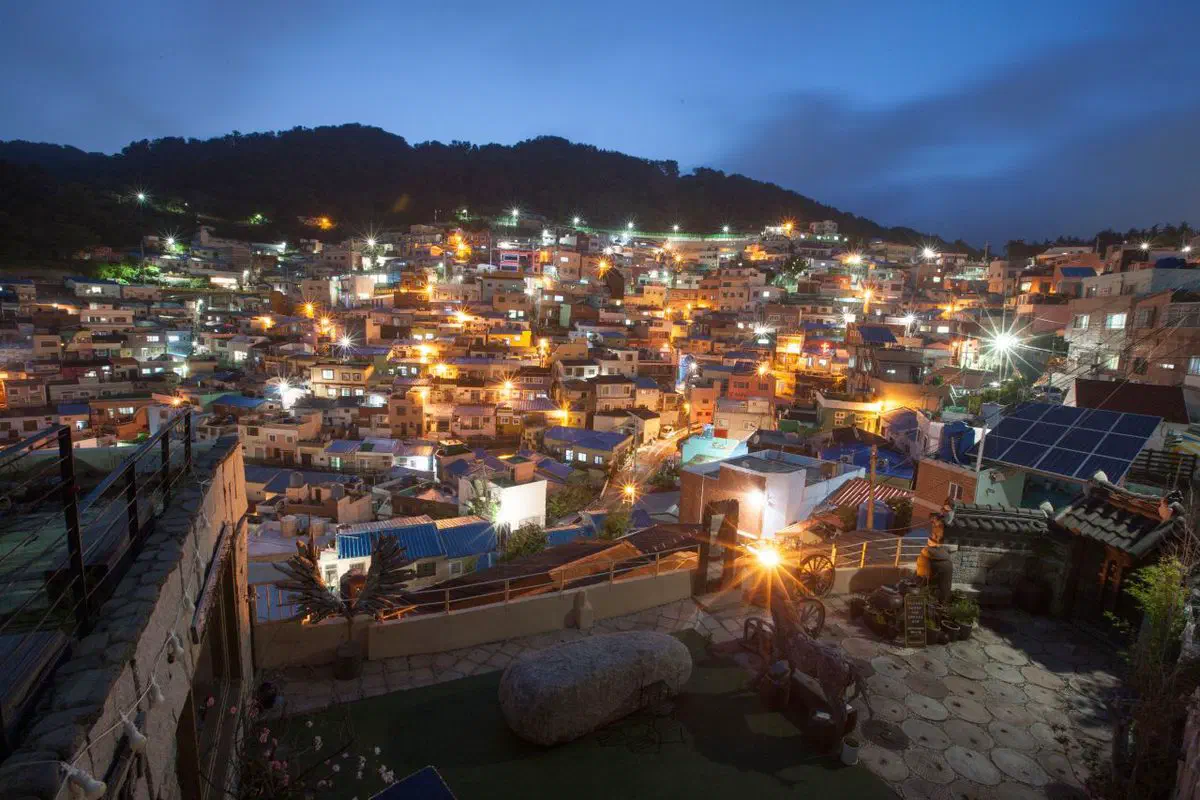
Busan
Korea’s second city, a coastline rather than a single old quarter, and the first place cherry blossom actually reaches in spring — about two weeks before it gets to Seoul.
March is Busan’s month. That head start on cherry blossom is the specific, checkable reason to time a trip here over the capital.
Andong
Hahoe Village, a UNESCO World Heritage site since 2010, and the mask tradition — talchum — it produced. A direct KTX-eum reached Andong for the first time in December 2024, cutting the trip from Seoul to about two hours after decades of requiring a much slower train or a bus.
September and October carry it. The Andong International Mask Dance Festival runs late September into October, built around the same tradition Hahoe Village originated.
→ Andong: Hahoe Village and the Mask Behind It
Gangneung
Korea’s coffee coast — forty-plus specialty cafés on one kilometer of Anmok Beach, an origin story that starts with vending machines in the 1980s, and a hanok that appears on two different Korean banknotes. The KTX reached Gangneung in December 2017, ahead of the 2018 Winter Olympics, and English guides still tend to describe it as a slog.
June through August fit a beach town best, warm enough that Anmok’s sand and its cafés both make sense on the same afternoon.
→ Gangneung: The Coffee Coast Two Hours from Seoul
Getting between them
All six sit on the KTX network, so combining more than one in a trip is usually a rail-pass question rather than a routing one — our rail pass guide covers when buying one beats paying per ride. A Korean eSIM before you go covers all six the same way; the address and transit quirks that trip up Google Maps are national, not regional. Naver Map or Kakao Map, not Google, is what actually gets you the last few blocks in any of these six places — an eSIM is what makes either work once you land.
Checked 16 August 2026. Best-month figures for each region come from facts already sourced in that region’s own guide — cherry blossom timing from Korea Meteorological Administration seasonal normals, festival dates from each festival’s own site, KTX opening dates from Korail service records. Gangneung’s summer window is general seasonal judgment for a beach town, not a single dated source. Details change — check the linked guide for each region before you travel.