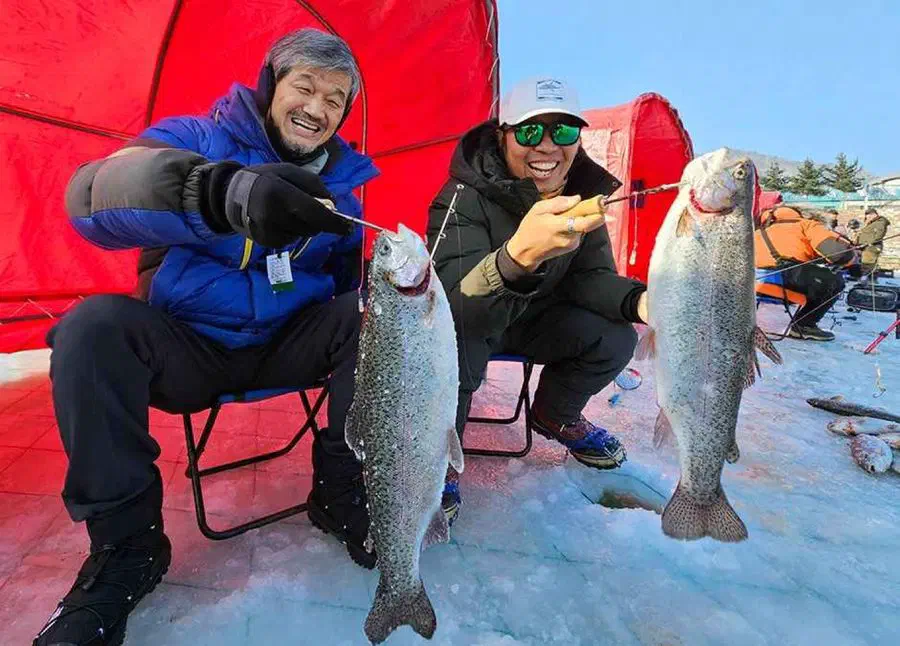
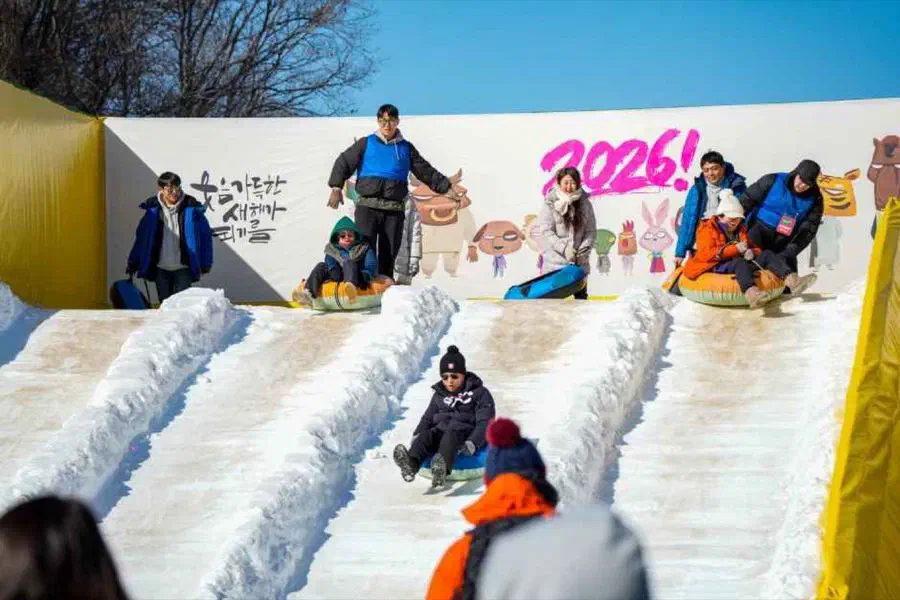
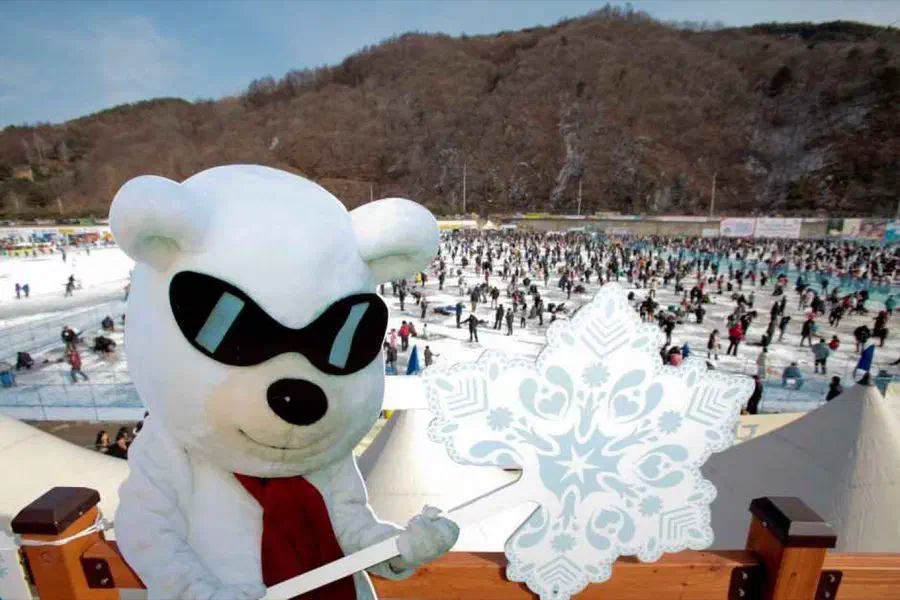
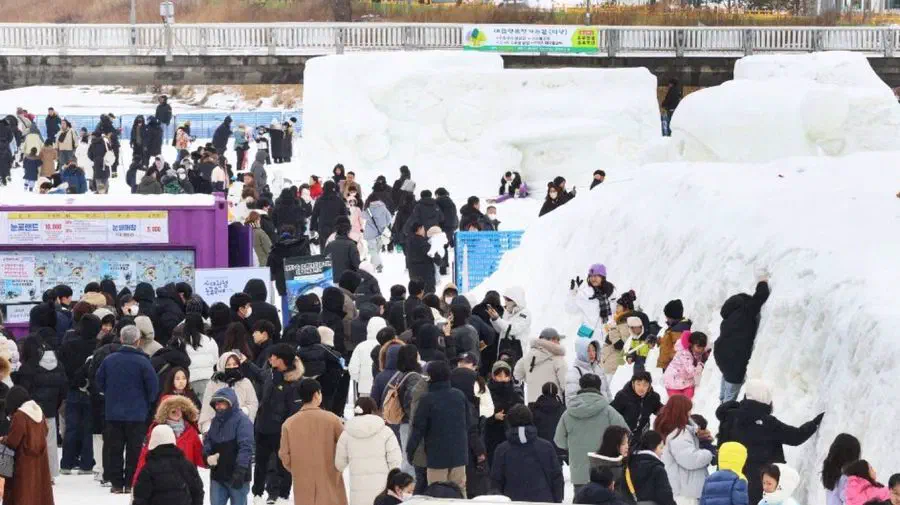
Ice fishing for trout on a frozen river in the Pyeongchang highlands, running about a month.
Who it suits: Families and anyone who wants Hwacheon's ice fishing without Hwacheon's crowds — same idea, a month-long run, and easier to get a spot on a weekend.
Trekking the frozen Hantangang gorge, a basalt canyon you can only walk in deep winter.
Who it suits: Walkers rather than sitters. You trek the floor of a basalt gorge that is only walkable while frozen — it does not exist as an activity the rest of the year.
The Hwacheoncheon freezes solid enough to fish through by hand. Consistently among Korea's biggest winter draws.
Who it suits: Winter visitors who want an activity rather than a viewing — ice fishing by hand, and the one festival here with real day-tour inventory from Seoul.
2027 dates confirmed on the organizer's own English site (9–31 January). Not in the tourism dataset, so this one is checked against narafestival.com directly.
Ice fishing for trout on a frozen river in the Pyeongchang highlands, running about a month.
Who it suits: Families and anyone who wants Hwacheon's ice fishing without Hwacheon's crowds — same idea, a month-long run, and easier to get a spot on a weekend.
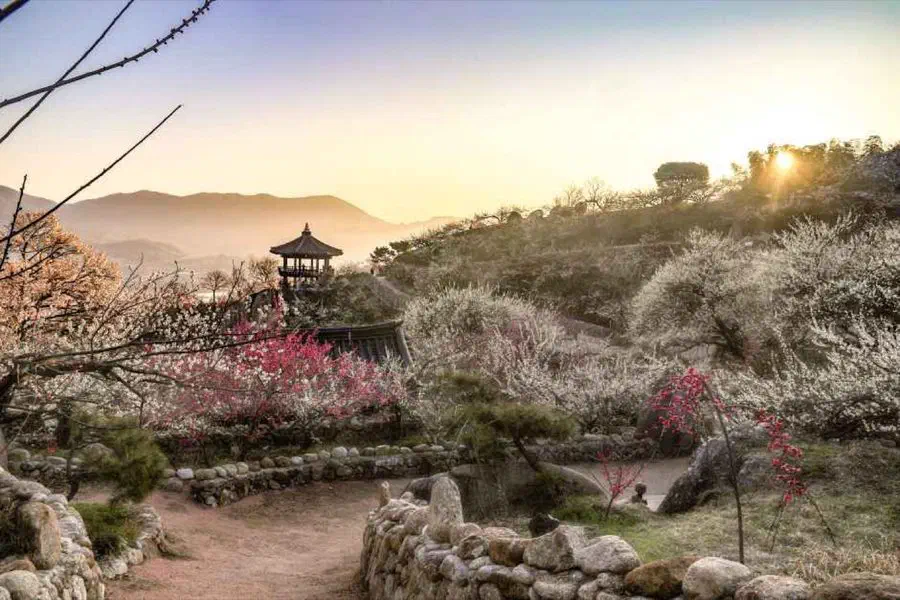
Hillsides of white plum blossom above the Seomjingang, the first blossom festival of the year.
Who it suits: Early travellers. Plum blossom opens before cherry, so this is the first flower festival of the Korean year — useful if your dates are too early for the cherry wave.
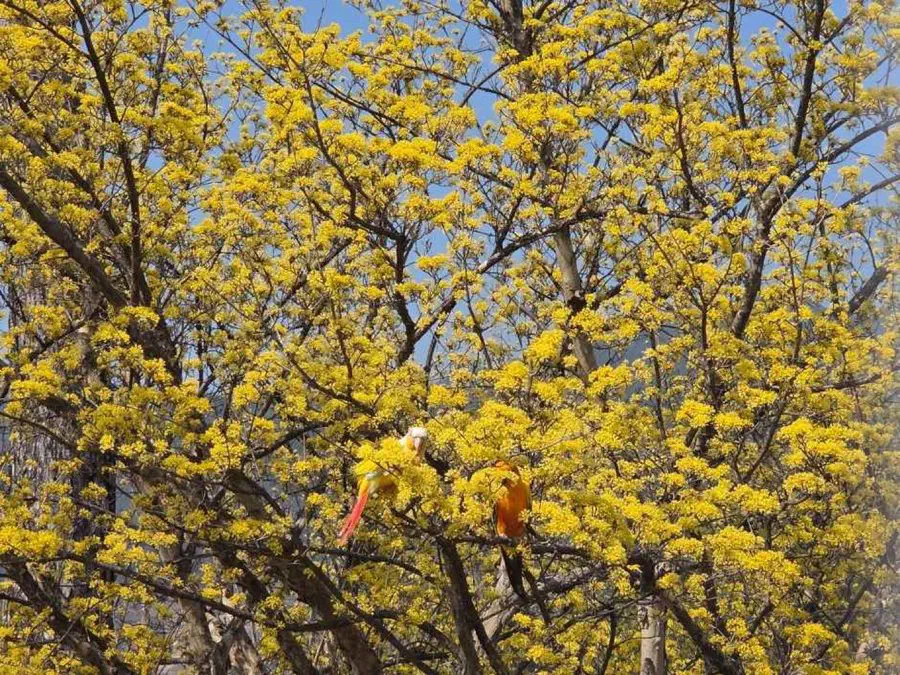
Yellow cornelian cherry blossom across the villages below Jirisan.
Who it suits: Photographers who already know cherry blossom. Sansuyu is yellow, blooms earlier, and covers whole village slopes rather than lining streets.
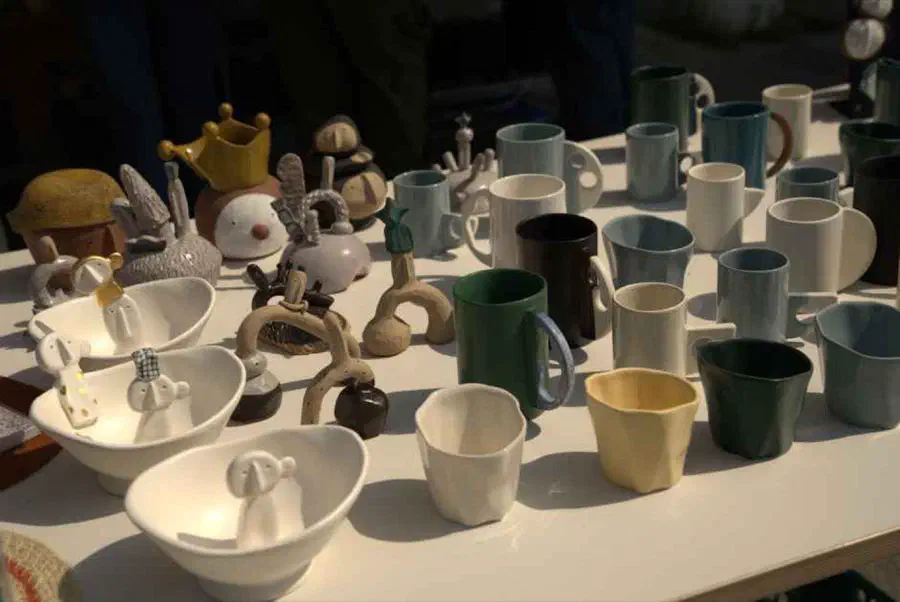
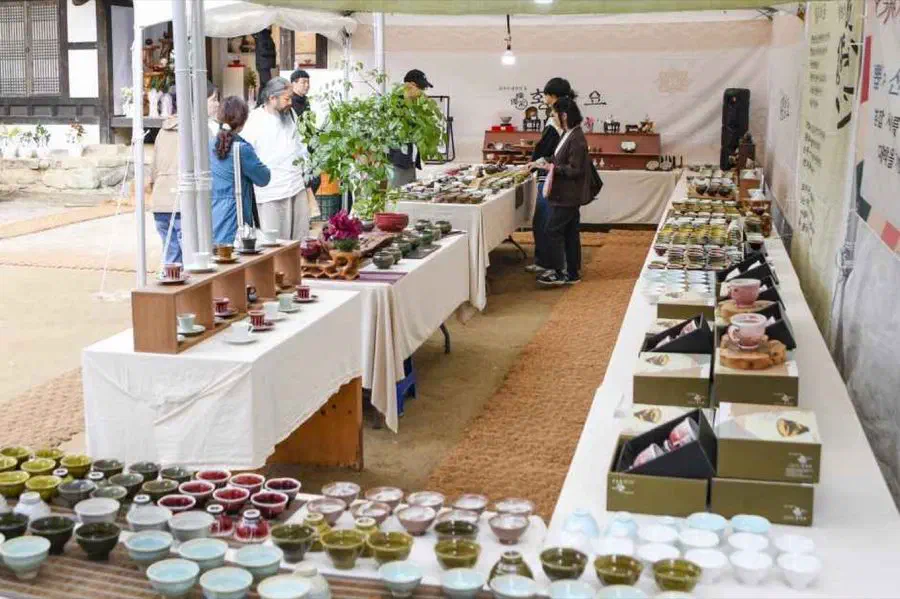
Six weeks of kilns and markets in one of Korea's three historic ceramic towns.
Who it suits: Buyers. Yeoju is one of Korea's three historic ceramic towns and the festival runs six weeks, so it is the least rushed way to shop kilns directly.
An early-spring strawberry festival in Nonsan, one of Korea's principal strawberry-growing regions, mixing farm-gate sales with tastings and hands-on picking programs.
Who it suits: Anyone road-tripping Chungnam in strawberry season — Nonsan is one of the country's main strawberry-growing regions.
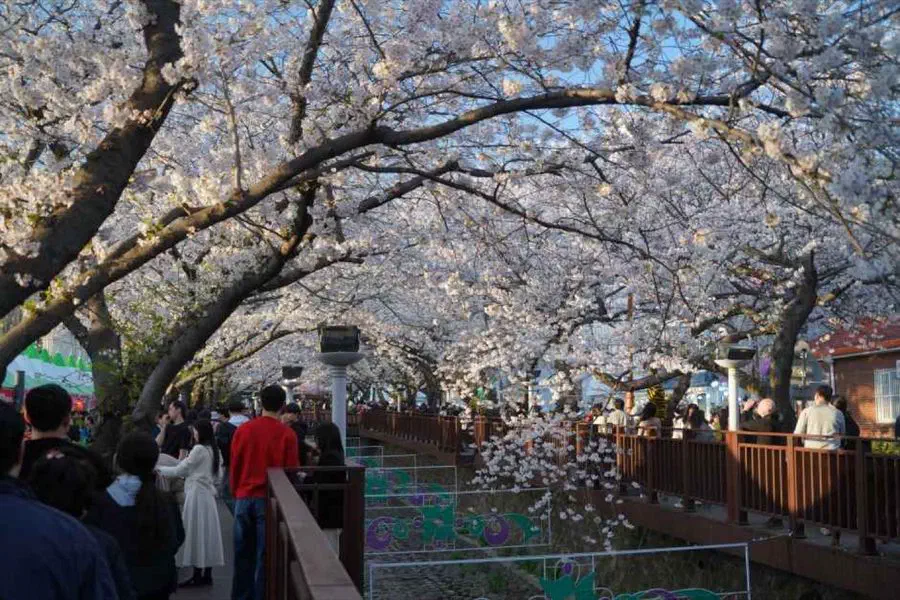
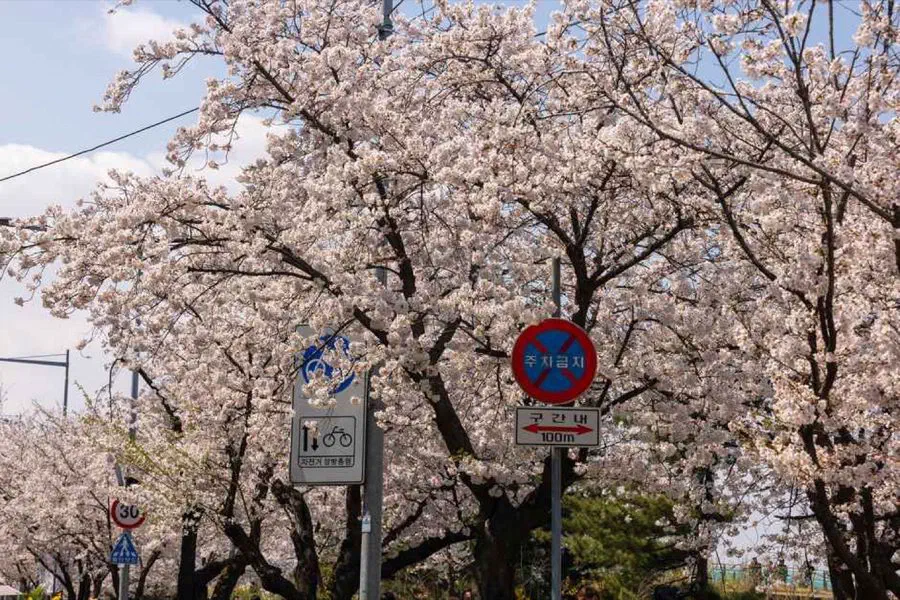
Korea's biggest cherry blossom festival, centered on Jinhae's naval port and the Yeojwacheon stream.
Who it suits: Anyone whose one priority is cherry blossom. This is the country's largest — the scale is the point, and so is the crowd, so go early in the day.
A festival built around the Daegaya kingdom, part of the Gaya confederacy — Goryeong's own tumuli were UNESCO-listed in 2023, and a 2025 excavation confirmed a king's-name inscription at the old palace moat.
Who it suits: Ancient-history travelers who've done Gyeongju's Silla sites and want the Gaya confederacy's own capital instead.
Six weeks of kilns and markets in one of Korea's three historic ceramic towns.
Who it suits: Buyers. Yeoju is one of Korea's three historic ceramic towns and the festival runs six weeks, so it is the least rushed way to shop kilns directly.
Korea's biggest cherry blossom festival, centered on Jinhae's naval port and the Yeojwacheon stream.
Who it suits: Anyone whose one priority is cherry blossom. This is the country's largest — the scale is the point, and so is the crowd, so go early in the day.
A 29-year-old spring festival at the site linked to Wang In, a Baekje-era scholar credited with carrying Confucian texts and literacy to Japan, an early chapter of Korea-Japan cultural exchange.
Who it suits: Anyone interested in early Korea-Japan cultural exchange — the festival centers on a real historical figure credited with carrying Baekje learning across the strait.
Korea's largest science festival, co-run by the national science ministry and Daejeon city inside Expo Park, mixing government, research-institute and private-sector exhibits.
Who it suits: Families and anyone curious about Korea's tech and research sector — this runs inside Expo Park, Daejeon's own science-city district.
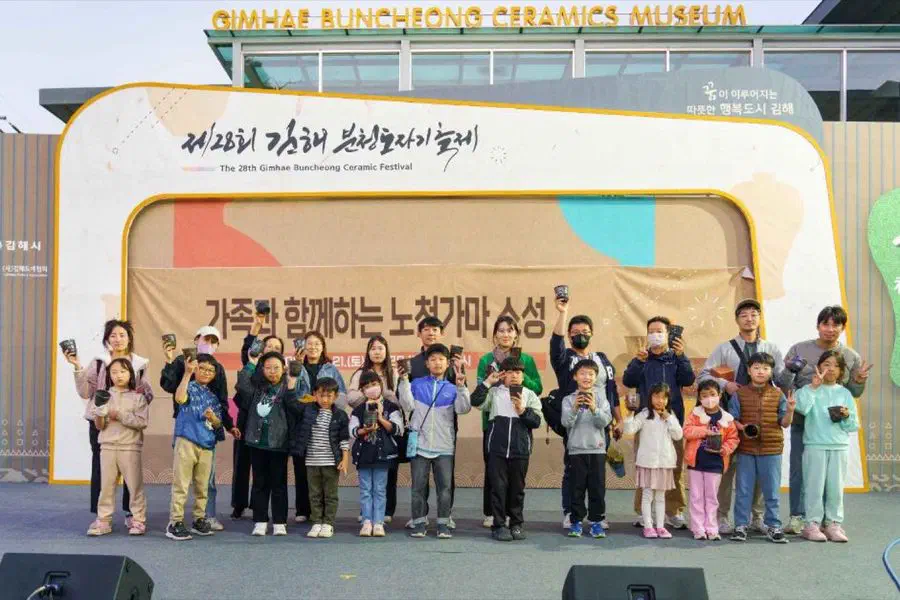
About two weeks of open kilns and extra hands-on programs at Sagimakgol.
Who it suits: Buyers more than spectators — open kilns and two weeks of hands-on programs, so it suits anyone who wants to bring a piece home rather than just look.
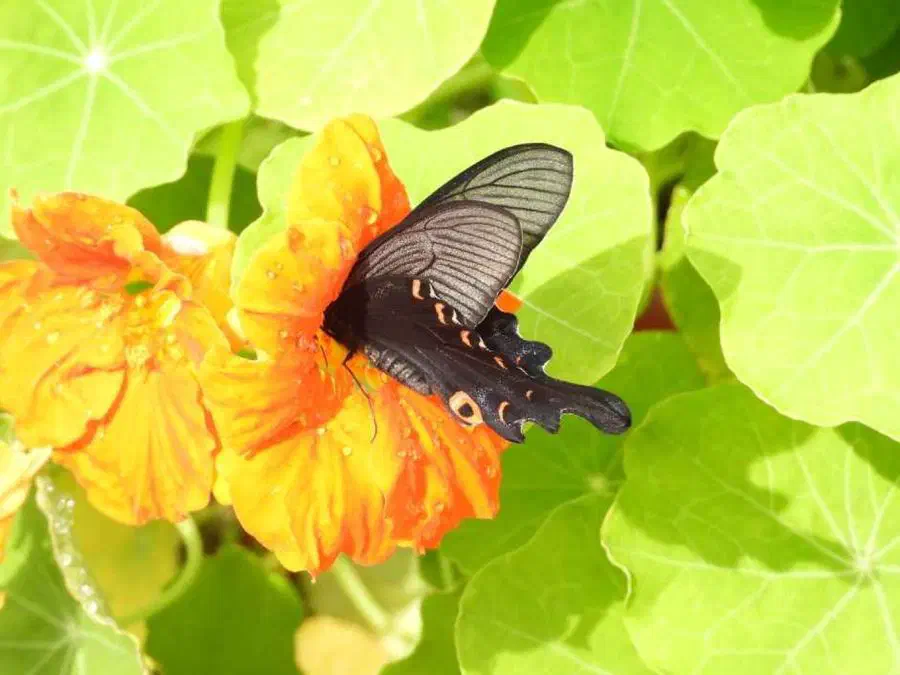
Butterfly houses and flower fields, the one festival here built primarily for small children.
Who it suits: Families with young children — it is the most straightforwardly child-shaped festival on this calendar, built around butterfly houses and flower fields.
Six weeks of kilns and markets in one of Korea's three historic ceramic towns.
Who it suits: Buyers. Yeoju is one of Korea's three historic ceramic towns and the festival runs six weeks, so it is the least rushed way to shop kilns directly.
About two weeks of open kilns and extra hands-on programs at Sagimakgol.
Who it suits: Buyers more than spectators — open kilns and two weeks of hands-on programs, so it suits anyone who wants to bring a piece home rather than just look.
Butterfly houses and flower fields, the one festival here built primarily for small children.
Who it suits: Families with young children — it is the most straightforwardly child-shaped festival on this calendar, built around butterfly houses and flower fields.
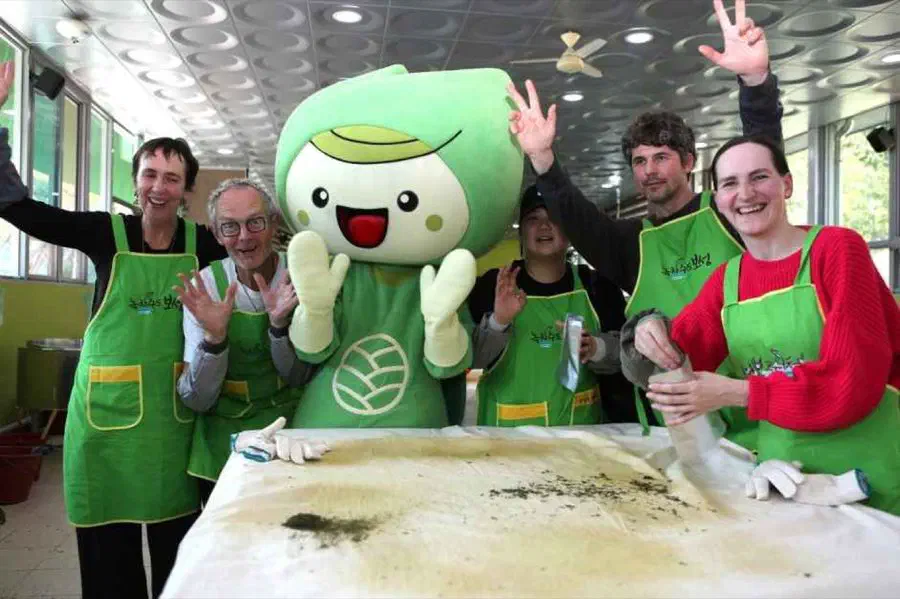
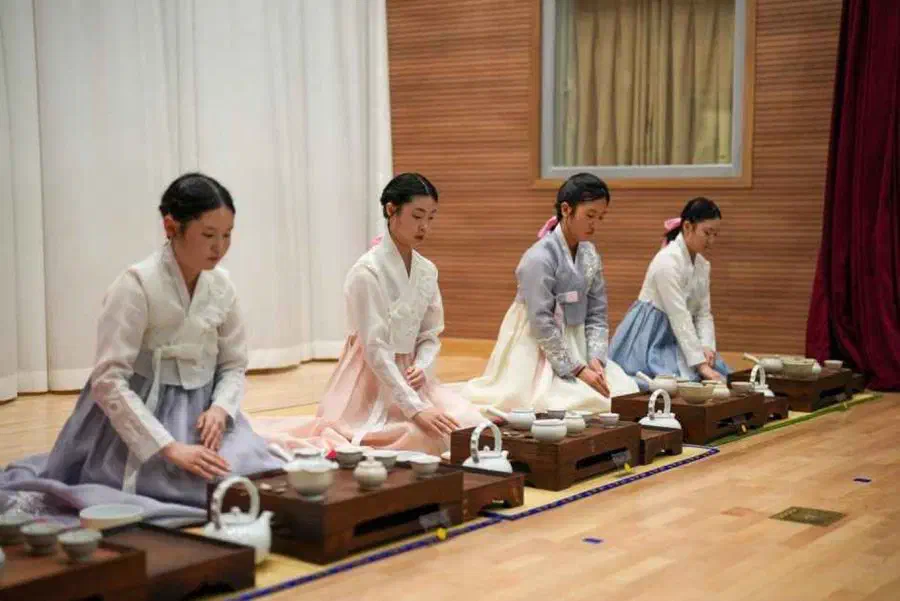
Korea's largest tea festival, running since 1975, in the country's most-photographed tea fields.
Who it suits: Photographers and anyone going for scenery — the terraced fields are the draw and they are there year-round, so the festival is a bonus rather than the reason.
Wild tea on the slopes of Jirisan — the older, less manicured half of Korea's tea country.
Who it suits: Tea drinkers over photographers. Hadong grows wild tea on Jirisan's slopes rather than in planted terraces, and the festival is built around tasting rather than views.
A hands-on Stone Age festival at Jeongok-ri, the site where 300,000-year-old hand-axes were found — a discovery significant enough to revise East Asian Paleolithic archaeology.
Who it suits: Families and history travelers — this festival sits on the actual Jeongok-ri site where Paleolithic hand-axes rewrote assumptions about early Asian tool-making.
A festival around the Chunhyang story, in Namwon where the tale is set.
Who it suits: Anyone curious about pansori and Korean classical storytelling — this is built around the country's best-known love story, in the town it is set in.
Built around Miryang Arirang, one of the best-known regional versions of Korea's signature folk song.
Who it suits: Visitors interested in Korean folk music. Arirang is the country's most recognisable folk song and Miryang's is one of three UNESCO-noted regional versions.
Korea's largest sand festival, held on Haeundae Beach before the summer swimming season — world-class sand sculptures on a different theme each year.
Who it suits: Anyone visiting Haeundae in late spring rather than peak summer — this is Korea's largest sand-sculpture festival, before the beach crowds arrive.
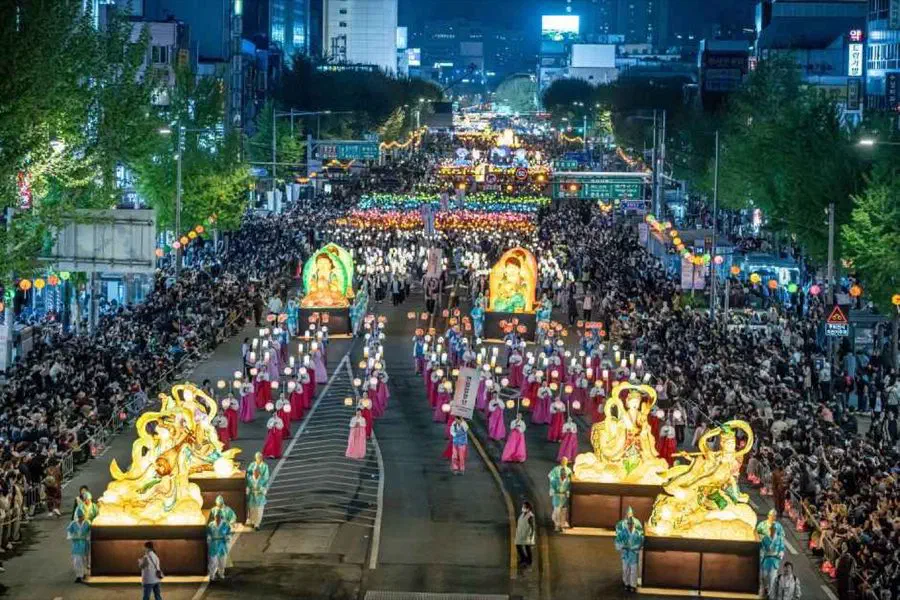
A 1,200-year-old lantern parade through central Seoul on the evening before Buddha's Birthday. UNESCO-listed in 2020.
Who it suits: Anyone who wants one unmissable evening rather than a whole day out — it is a street parade you watch from the pavement, no ticket and no temple etiquette required.
The Seoul capital area's largest marine festival, with yacht and powerboat rides, a sea cable car and tidal-flat programs on Hwaseong's own stretch of the West Sea.
Who it suits: Anyone who wants sailing and powerboat rides on the west coast without going as far as Incheon or Taean.
A festival honoring Choi Gwi-dong, a disabled beggar who fed Eumseong's homeless from his own scraps and became the inspiration for Kkottongnae's charity mission — the pumba performance tradition grew from the same story.
Who it suits: Anyone interested in the real, unglamorous history behind Korea's pumba busker-beggar performance tradition.
A festival re-enacting eobang, the Joseon-era system pairing off-duty naval sailors with local fishermen to supply the Left Naval Base — Gwangalli's own origin as a fishing community.
Who it suits: Anyone at Gwangalli Beach who wants the neighborhood's actual fishing history rather than just the bridge-view photo.
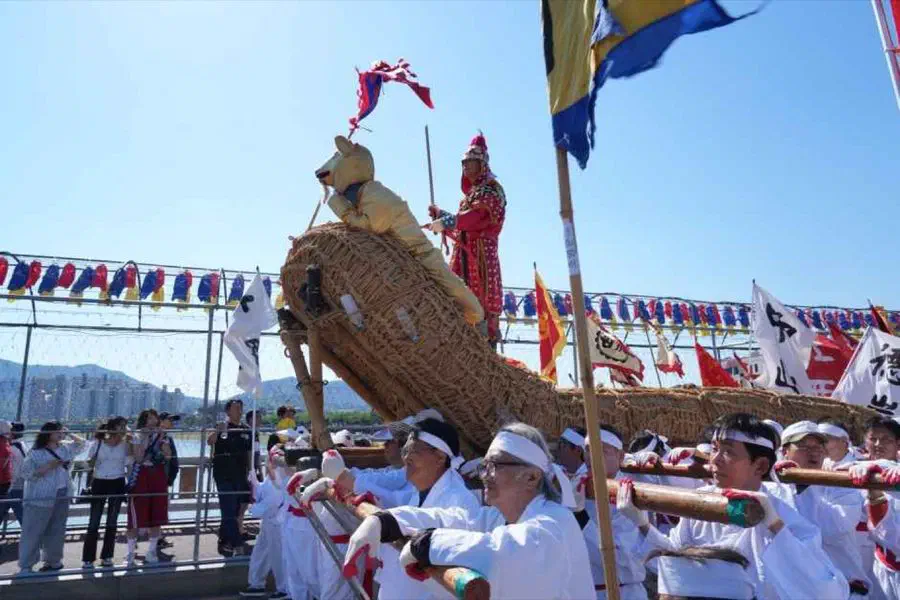
A summer festival on the Taehwagang riverside built around maduhee, a Joseon-era tug-of-war folk game recorded in Ulsan's own local gazetteer, paired with a riverside chimaek festival at night.
Who it suits: Anyone in Ulsan for the river park who wants to see a genuine civic tug-of-war tradition rather than a staged one.
Fried chicken and beer as a civic festival, in Korea's chimaek capital.
Who it suits: Groups and anyone who wants a straightforwardly modern Korean night out. Fried chicken and beer, at scale, in the city that industrialised the combination.
Mud slides, mud wrestling and a stadium-sized mud pool at Daecheon Beach, about two hours from Seoul.
Who it suits: Groups and younger travellers who want none of the heritage framing — it is built for tourists rather than adapted for them, with no cultural pretense at all.
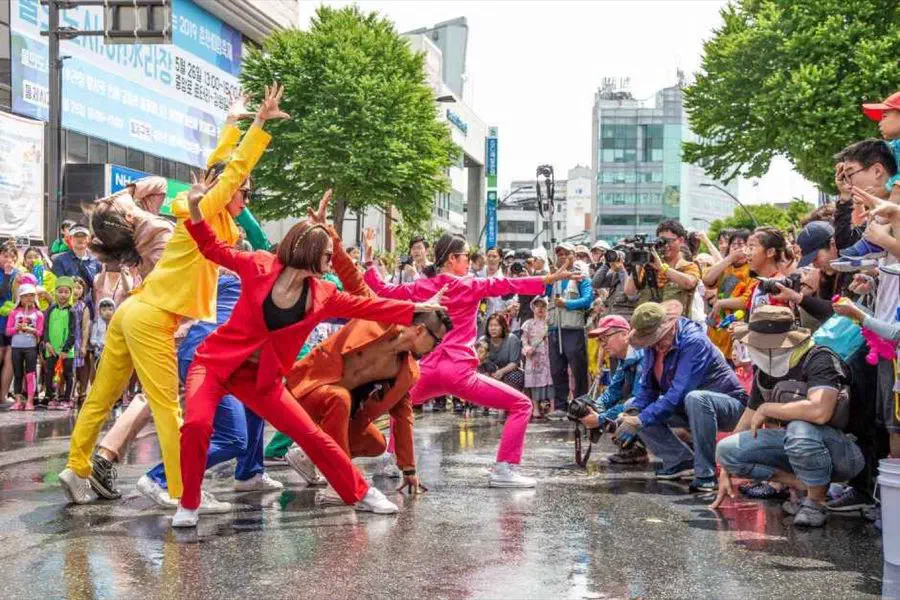
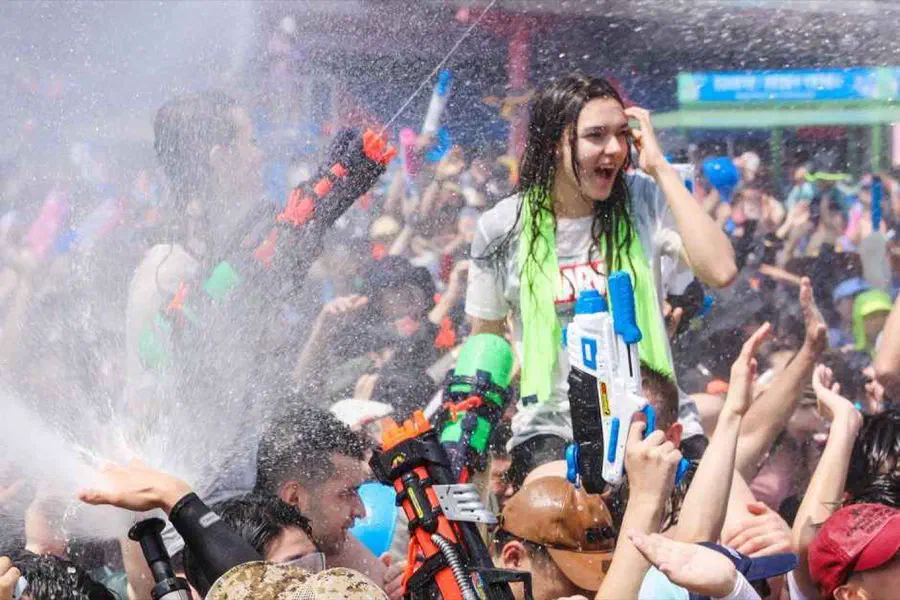
A town-wide water festival on Jangheung's main street, built for the worst of the summer heat.
Who it suits: Families in high summer. The whole main street becomes a water fight, which is a more comfortable way to spend a Korean August than sightseeing.
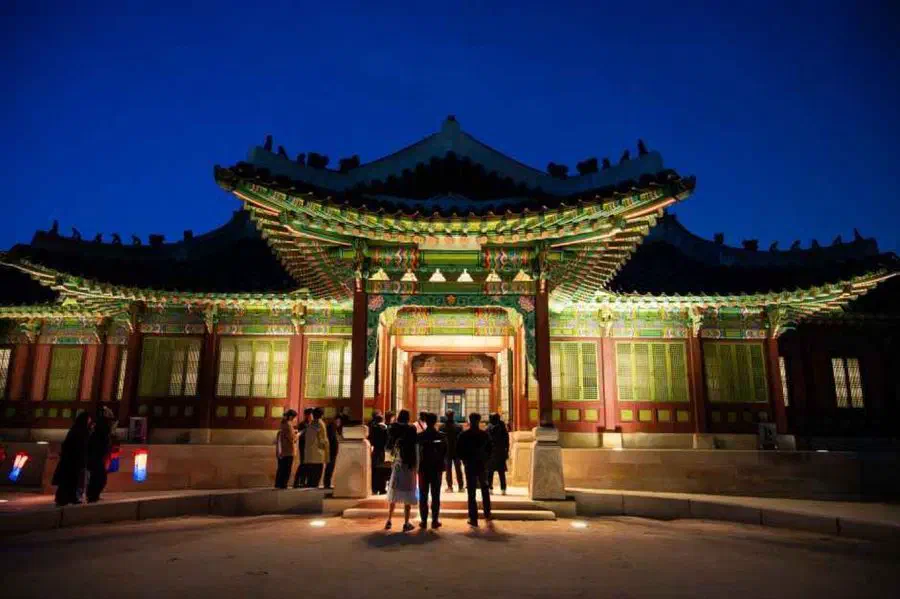
Andong's heritage buildings opened at night, lit, with performances — a night version of the daytime sites.
Who it suits: Visitors who found heritage sites too hot or too crowded by day — the point is that the buildings open after dark, lit, with performances inside them.
Mud slides, mud wrestling and a stadium-sized mud pool at Daecheon Beach, about two hours from Seoul.
Who it suits: Groups and younger travellers who want none of the heritage framing — it is built for tourists rather than adapted for them, with no cultural pretense at all.
A town-wide water festival on Jangheung's main street, built for the worst of the summer heat.
Who it suits: Families in high summer. The whole main street becomes a water fight, which is a more comfortable way to spend a Korean August than sightseeing.
Andong's heritage buildings opened at night, lit, with performances — a night version of the daytime sites.
Who it suits: Visitors who found heritage sites too hot or too crowded by day — the point is that the buildings open after dark, lit, with performances inside them.
The same night-heritage format in Gangneung's old town, on the east coast.
Who it suits: Anyone already on the Gangneung coast for the beaches or the coffee — this puts the old town's heritage buildings to use after the beach empties.
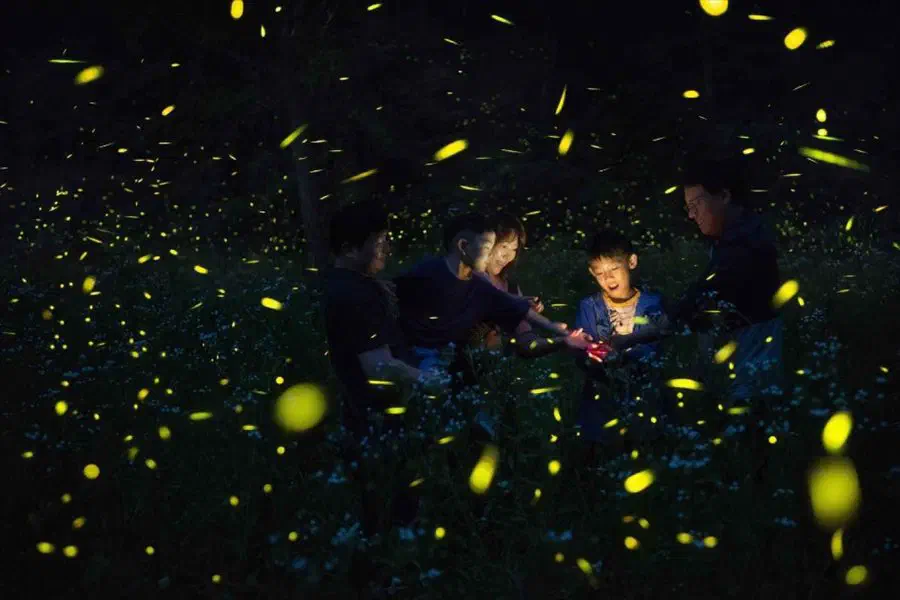
Wild firefly viewing in one of the few places in Korea clean enough to still have them.
Who it suits: Anyone who wants a quiet festival. Fireflies need darkness and low disturbance, so this one is deliberately not loud — the opposite of most on this list.
A field of white buckwheat flowers around Bongpyeong, the real-life setting of Yi Hyo-seok's 1936 short story 'When the Buckwheat Blooms' — running since 1999.
Who it suits: Fans of Korean literature, and anyone who wants a flower field that isn't cherry blossoms or lavender.
A guided night walk through Changdeokgung and its Secret Garden, by moonlight and lantern.
Who it suits: Palace visitors who already did the daytime tour. It runs twice a year, spring and autumn, and foreign visitors buy from a separate small allocation on Creatrip rather than the Ticketlink lottery Korean residents use — see our palace night tours guide, because that allocation sells out in days.
Korea's first festival built around a single color — Jangsu's own Korean beef and apples, expanded since 2024 to a wider 'red food' lineup of omija berries and tomatoes.
Who it suits: Anyone road-tripping the Jeolla countryside who wants a food festival built around one county's actual harvest, not a franchise.
A car-free ecological festival inside Siheung Gaetgol Ecological Park, built around the region's only inland tidal creek and a former salt field — the flagship performance reenacts the site's salt-making past.
Who it suits: Anyone who wants a tidal-flat ecological park experience close to Seoul without driving to the west coast proper.
A guided night walk through Changdeokgung and its Secret Garden, by moonlight and lantern.
Who it suits: Palace visitors who already did the daytime tour. It runs twice a year, spring and autumn, and foreign visitors buy from a separate small allocation on Creatrip rather than the Ticketlink lottery Korean residents use — see our palace night tours guide, because that allocation sells out in days.
A defense-themed festival around Gyeryong, home to the army, navy and air force headquarters — concerts, military band and honor-guard performances staged across the base's own runway.
Who it suits: Anyone curious about Korea's military culture rather than its temples and palaces — marching bands, honor guard drills and runway-length stages, not combat reenactment.
A 23-year-old dance festival and repeat government-designated Cultural Tourism Festival, mixing Korean folk dance with international companies competing on the same stages.
Who it suits: Dance-focused travelers — this is a juried international dance festival, not a single folk performance.
Moved to Deokjin Park for 2026, and three weeks earlier than most English listings still say.
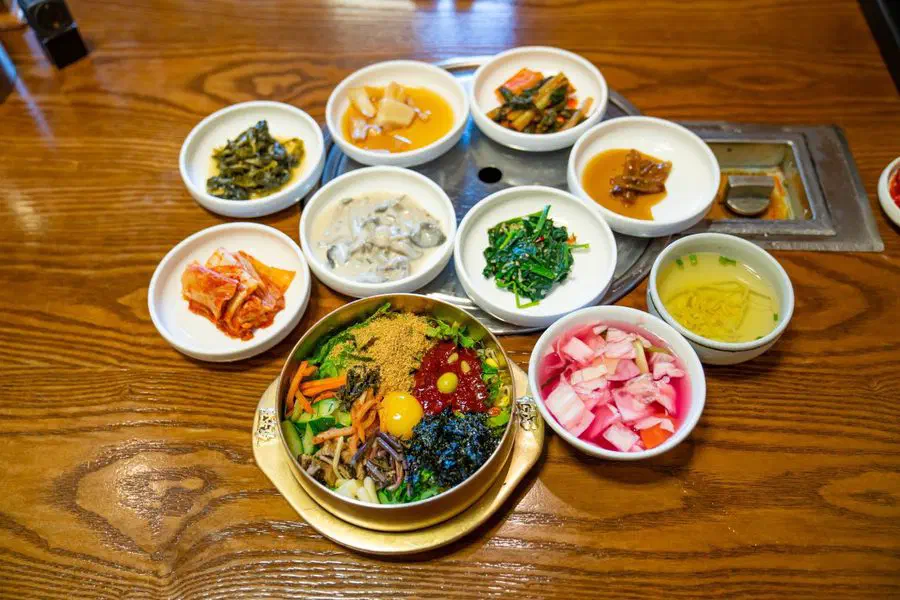
Who it suits: Food-first travellers. Note the side effect: this is the week Jeonju's accommodation fills, so book earlier than you otherwise would.
2–4 October 2026, from Jeonju City's August 2026 announcement. The 20th edition, and it has moved from the World Cup Stadium grounds to Deokjin Park — an older guide will send you to the wrong side of the city. Not in the tourism dataset. Opening hours and any admission charge were not published as of 3 September 2026.
A 30-year-old traditional percussion and folk-performance festival that turns central Incheon over to pungmul drumming for a weekend.
Who it suits: Anyone who wants traditional Korean percussion and farmers'-band performance (pungmul/samulnori) in a genuine civic festival rather than a museum demonstration.
A traditional-medicine and herbal-wellness festival at the foot of Jirisan, tied to the UNESCO Memory of the World-listed Donguibogam medical text, now in its 26th year.
Who it suits: Anyone interested in traditional Korean medicine (hanbang) — this festival is built around the UNESCO-listed medical text Donguibogam, not general wellness spas.
A festival built around namsadang nori, Korea's UNESCO Intangible Cultural Heritage troupe-performance tradition, honoring Baudeogi, its first recorded female leader.
Who it suits: Anyone interested in Korea's UNESCO-listed itinerant performance tradition — acrobatics, tightrope and mask dance from a genuinely nomadic performer troupe's home base.
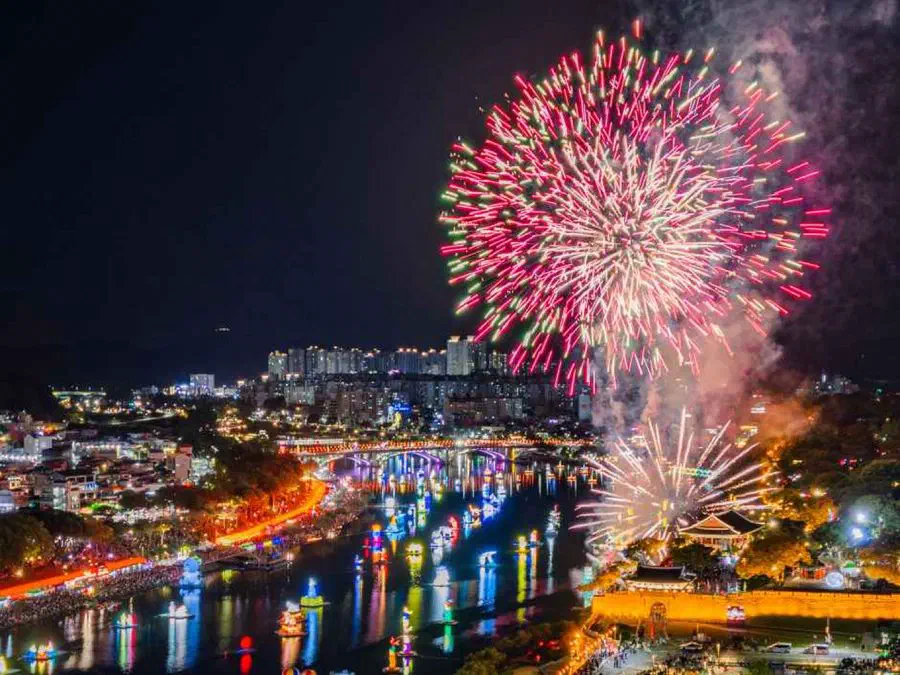
Lantern displays filling the Namgang River after dark, from a rite that began in the Imjin War.
Who it suits: Evening visitors, and anyone who prefers a festival with a real story behind it — the lanterns began as a 1592 wartime signal, later a memorial rite.
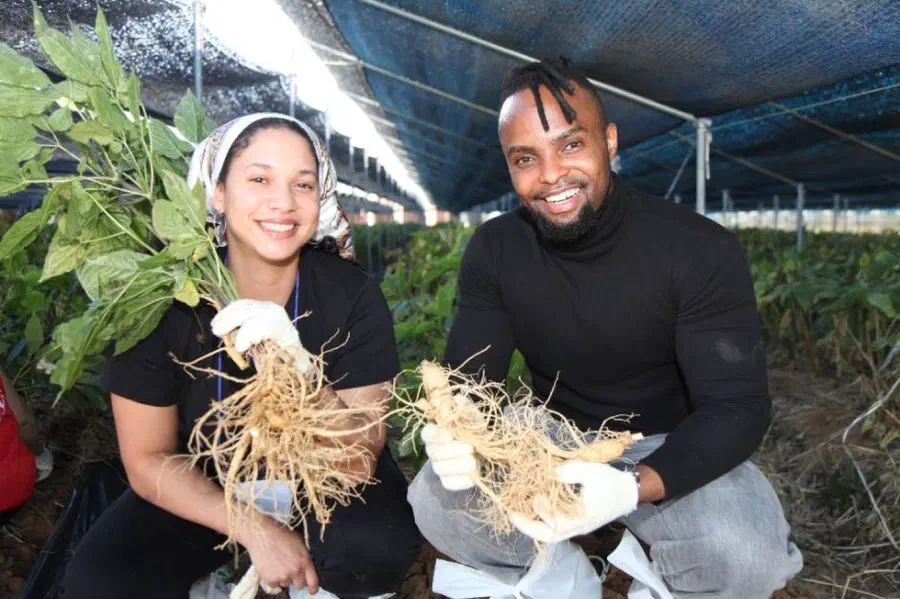
A ginseng festival timed to October, when the root's nutrients peak, in one of Korea's historic ginseng-producing towns — distinct from the larger Geumsan World Insam Festival further south.
Who it suits: Ginseng buyers who want a second, smaller sourcing trip beyond Geumsan — Punggi is one of Korea's other historic ginseng-growing centers.
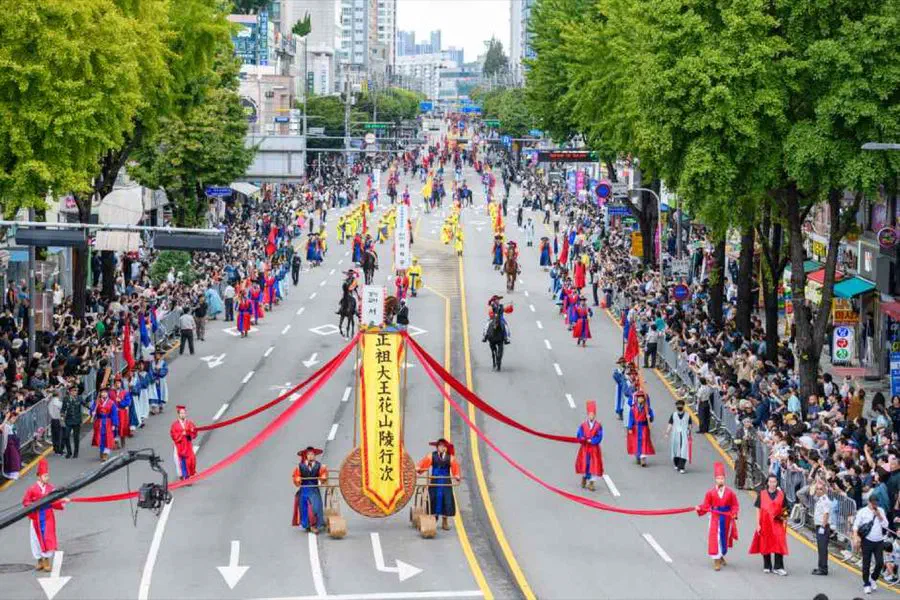
The UNESCO fortress town at full program — parades, martial arts and night lighting on the walls.
Who it suits: Day-trippers from Seoul. Hwaseong is a UNESCO fortress forty minutes out, and the festival is the one time the walls are fully programmed.
Gwangju's largest festival, built around Chungjang-ro, the city's historic main commercial street, with a nostalgia theme running through its street performances and markets.
Who it suits: Anyone who wants a big-city street festival rather than a rural harvest one — Gwangju's largest, centered on its main commercial street.
The paper festival at the Korea Traditional Culture Center — a different October event from the Bibimbap Festival.
Who it suits: Craft-minded visitors — hanji fashion shows, competitions and hands-on paper-making, five minutes' walk from Jeonju Hanok Village.
8–10 October 2026 — the 30th edition, slogan “Now, Hanji”. Corrected on 3 September 2026: this page previously said 1–4 October, carried over from the usual early-October window before the dates were announced. Two Korean sources agree on 8–10. Not in the tourism dataset. Hours and admission not published.
Built around the actual birthplace of Korean cheesemaking — a Belgian priest, Didier t'Serstevens, started with two goats here in 1967 and taught local farmers to make cheese from scratch.
Who it suits: Cheese lovers, and anyone curious how a small Jeolla county became Korea's cheese-making origin point.
Running since 1962, the oldest festival here — parades, folk games and competitions across Gyeongju's historic core.
Who it suits: Anyone already planning Gyeongju — it runs across the historic core you would be walking anyway. Book accommodation well ahead; this week fills the city.
9–11 October 2026, the 53rd edition, confirmed on Gyeongju City's own festival site on 3 September 2026. The contentid is no longer carried in the English tourism dataset, so --verify flags it; the city page is the source. Hours and admission not published.
A festival marking Korea's fermented-sauce-making tradition, recently added to UNESCO's Intangible Cultural Heritage list, in the town most identified with gochujang production.
Who it suits: Anyone seriously interested in Korean fermented sauces (gochujang, doenjang) — Sunchang is the country's recognized capital of the craft.
The only Seoul city festival built around a prehistoric theme, staged at the Amsa-dong Neolithic settlement site along the Han River, now in its 30th year.
Who it suits: Families and anyone curious about prehistoric Korea without leaving Seoul — this is the only Seoul festival built around a Neolithic site.
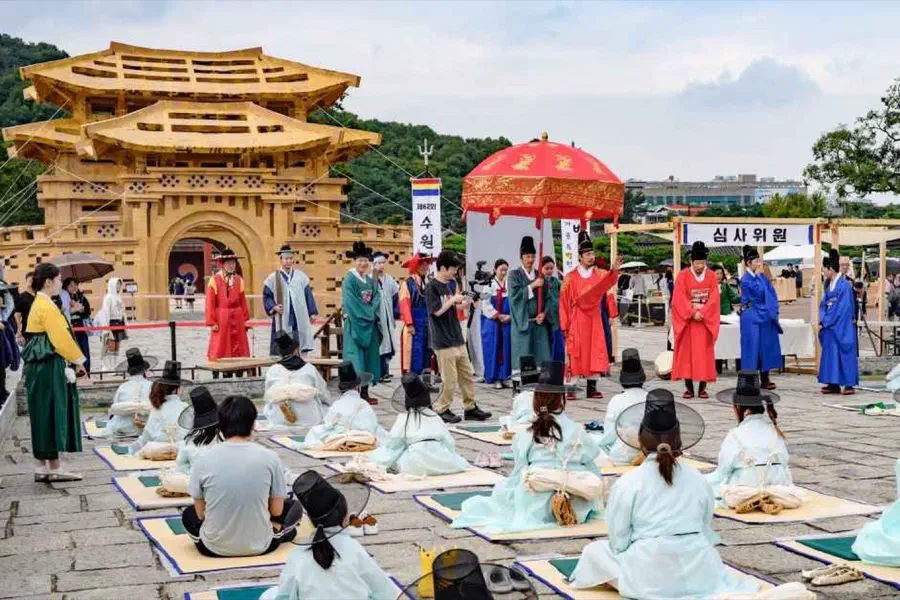
A history-reenactment festival at Dongnae's old walled town, running 31 years since its start as a memorial for the 1592 Japanese invasion's civilian defenders.
Who it suits: History travelers based in Busan who want something beyond the beach and the port — a walled-town siege history reenacted where it happened.
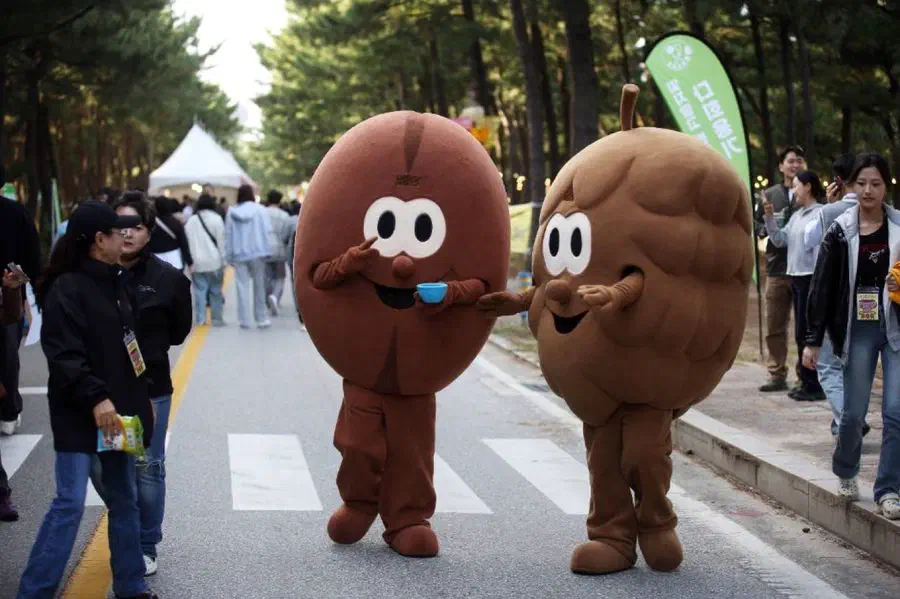
Korea's coffee town, two hours east of Seoul. For 2026 the festival left the coffee street and went city-wide.
Who it suits: Coffee travellers. Gangneung is Korea's coffee town and this is the week the roasters all open up at once — though for 2026 the festival spread out of Anmok into the whole city, and a world congress overlaps it.
A festival built entirely on a wordplay — Gimcheon isn't known for gimbap, but 'gimbap-cheonguk' (gimbap heaven) sounds like the city's name, and the city leaned into it.
Who it suits: Food-festival collectors who want the odd, small-city one — gimbap isn't actually a Gimcheon specialty, the festival runs on the name's pun.
A harvest festival built around Yeoju's Joseon-era role supplying the royal court with rice and grain via the historic Jopo ferry landing on the Namhan River.
Who it suits: Anyone interested in the Joseon-era river tribute system — Yeoju's rice and produce once reached the royal court by boat from here.
An autumn apple-harvest festival in Cheongsong, one of Korea's high-altitude apple-growing counties, mixing tastings, sales and countryside festival programs.
Who it suits: Anyone road-tripping Gyeongbuk's smaller counties in late autumn for a genuine harvest festival rather than a themed one.
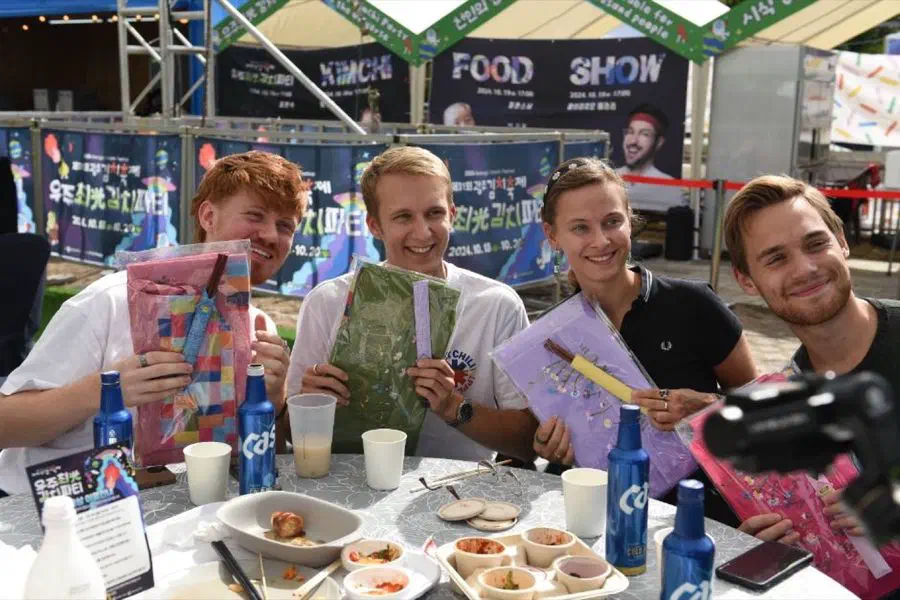
Korea's only city-center instant-noodle festival, built around Gumi's own Nongshim ramyeon factory — fresh-fried noodles sold on site alongside novelty ramyeon dishes.
Who it suits: Instant-noodle enthusiasts — Gumi hosts Nongshim's factory, and the festival sells noodles straight off the line.
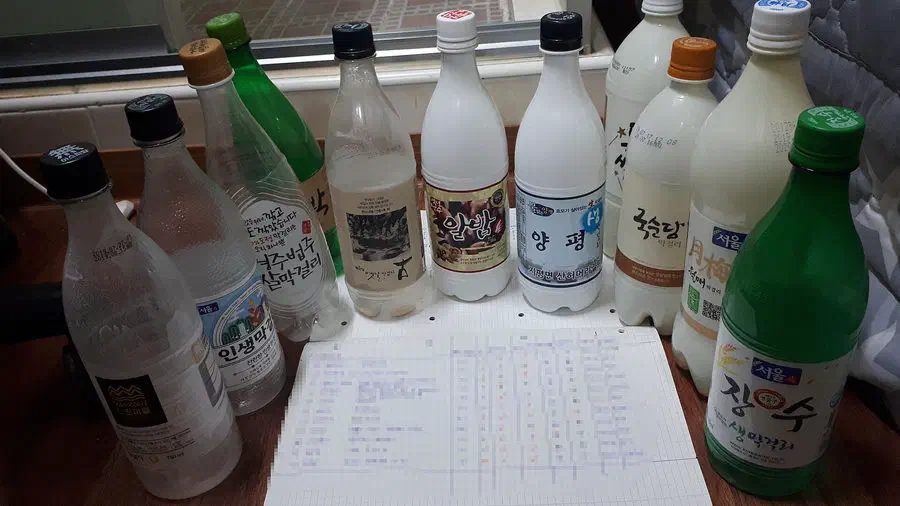
A trade-show-style event rather than a regional harvest festival. thesool.com publishes confirmed dates.
Who it suits: Anyone who liked makgeolli and wants to compare small producers side by side — over a hundred breweries pouring in one building, indoors.
Not in the tourism dataset. Mid-November is the usual window.
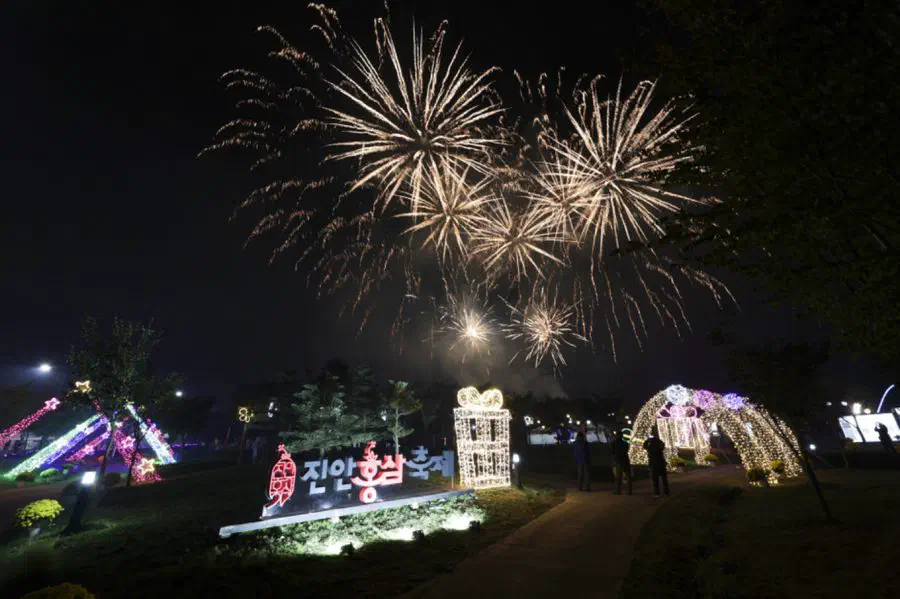
An annual fireworks festival in Pohang, framed around the city's identity as the 'city of fire and light' — a nod to its steel industry as much as the display itself.
Who it suits: Anyone who wants a fireworks festival with a real industrial backstory — Pohang's identity as a steel city runs through the theme.
Nothing confirmed for December yet. Korea's winter
light and sunrise festivals are usually registered closer to the date,
so this month tends to fill in late.
Sun
Mon
Tue
Wed
Thu
Fri
Sat
1
2
3
4
5
6
7
8
9
10
11
12
13
14
15
16
17
18
19
20
21
22
23
24
25
26
27
28
29
30
31
How to read this calendar
Korea registers over six hundred festivals a year with the Korea Tourism
Organization. These are the ones that justify moving your dates.
Confirmed dates are marked apart from usual timing. Korean festival dates
move every year: some follow the lunar calendar, most are set annually by the
organizing committee. Where the tourism data service carries published dates,
you see them. Where it does not, the bar is hatched and labelled — because
showing a guess in the same style as a confirmed date is how a calendar
quietly becomes wrong.
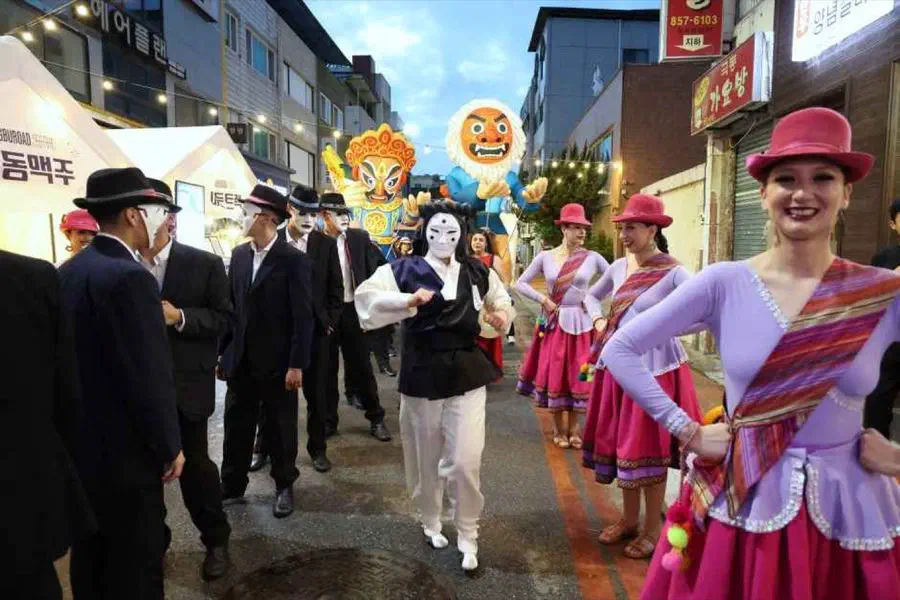
Each festival also says who it actually suits. A mask dance festival built
to work without shared language is a different proposition from a mud festival
built for groups, and both differ from a tea festival where the scenery is the
real draw.
If you are still choosing dates rather than fitting a festival into fixed
ones, when to visit Korea is the better
starting point — it covers how cherry blossom moves north and autumn colour
moves south, which decides more about a trip than any single festival does.
Our festival guide covers the history and practical
detail behind these entries.
A Korean eSIM
earns its keep at festivals specifically: the venue map, the shuttle-bus times
and the day’s program usually live on a Korean-language site or a Naver Map
pin rather than anywhere a paper guide would carry.
Getting around:
our guide to data and map apps in Korea
covers what public wifi misses and what Kakao Map or Naver Map can tell you that Google Maps still can't.
Quick answers
How many festivals does Korea register each year?
Over six hundred with the Korea Tourism Organization — this calendar covers only the ones that justify moving your travel dates.
Are the dates on Korea's festival calendar confirmed or estimated?
Both, and marked apart deliberately. Where the tourism data service carries a published date, it’s shown as confirmed; where it doesn’t, the entry is hatched and labeled as an estimate rather than presented the same way as a confirmed date.
Should I plan a Korea trip around festival dates or around the season?
Around the season first, if your dates are still flexible — cherry blossom moving north and autumn color moving south decides more about a trip than any single festival. Festivals are worth fitting into fixed dates, not the other way around.
Confirmed dates come from the Korea Tourism Organization's official tourism data service
(data.go.kr),
re-fetched each year. Festivals marked usual timing are not carried in that
dataset; those windows come from our own research and the organizers' own sites, and
are indicative only.
We use Google Analytics to see which pages get read, so we know what to
write next. No cookie is set unless you agree.
Privacy policy.