Gyeongju National Museum: The Bell You Cannot Hear
Last verified: 2026-08-31. Rules and prices change — always confirm on the official site before you travel.
This page contains affiliate links. If you book through them we may earn a commission at no extra cost to you. It never changes what we recommend.
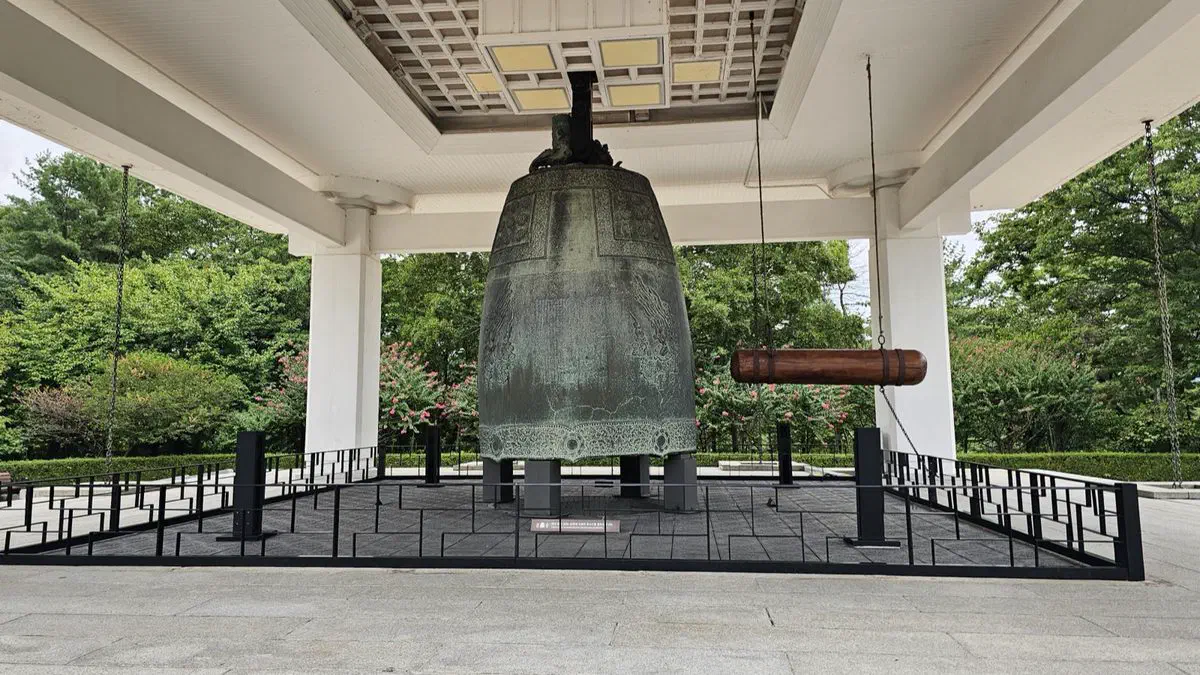
The single most famous object in Gyeongju National Museum stands outside it, in its own open pavilion, and for most of the last three decades nobody has been allowed to hit it.
The Divine Bell of King Seongdeok was cast in 771 CE and became National Treasure No. 29 in 1962. It is the bell Koreans grow up calling the Emile Bell. The museum stopped regular tolling in 1992 over fears the strikes were damaging it, and since then the bell has sounded only for acoustic surveys — in 1996, 2001–2003, and 2020–2022.
On 15 September 2026 it rings twelve times, in public, for the first time in thirty-two years.
What is happening on 15 September
The museum is running the second public session of a five-year acoustic survey that runs to 2029. It is not a ceremony; it is instrumentation, opened to an audience. The session runs 19:00 to 20:15 at the bell pavilion, and the team strikes the bell twelve times while instruments record its frequency, vibration modes and beat patterns.
The museum admitted 771 members of the public by lottery — the number is the year the bell was cast. Applications ran 24–30 August 2026 and are now closed. If you are reading this after that window, the museum is streaming the whole thing live on YouTube, which is the honest answer for almost everyone planning a trip from abroad.
- What
- Second public acoustic survey of the Divine Bell of King Seongdeok
- When
- 15 September 2026, 19:00–20:15
- Where
- The bell pavilion, Gyeongju National Museum
- Strikes
- 12
- Public places
- 771, by lottery — applications closed 30 August 2026
- If you missed it
- Live on the museum’s YouTube channel
The first survey in the current cycle found the bell’s acoustic and vibration characteristics have held steady across the decades — which is the finding that keeps it silent. A bell that is stable under measurement is not a bell anyone is in a hurry to start ringing weekly again.
The room that holds what came out of the pond
If you have seen one photograph of Gyeongju, it is probably the lit pavilions of Donggung Palace and Wolji reflected in black water after dark. We spent an evening there ourselves.
What the photographs do not tell you is that archaeologists drained the pond and dug it out, and roughly 30,000 objects came out of it. About a thousand of them are on display three kilometers away, in this museum, in a hall built for them — the Wolji Gallery.
That is the whole argument for the place in one building. The pond is where Unified Silla’s royal household threw things, lost things and eventually abandoned things; the museum is the room where those things are laid out. You can do the pond at night and the gallery in the morning, and they are the same site split across two tickets — except one of them is free.
Our three days in Gyeongju covers the Wolji evening itself, including when to arrive so the reflection actually works.
The other two halls
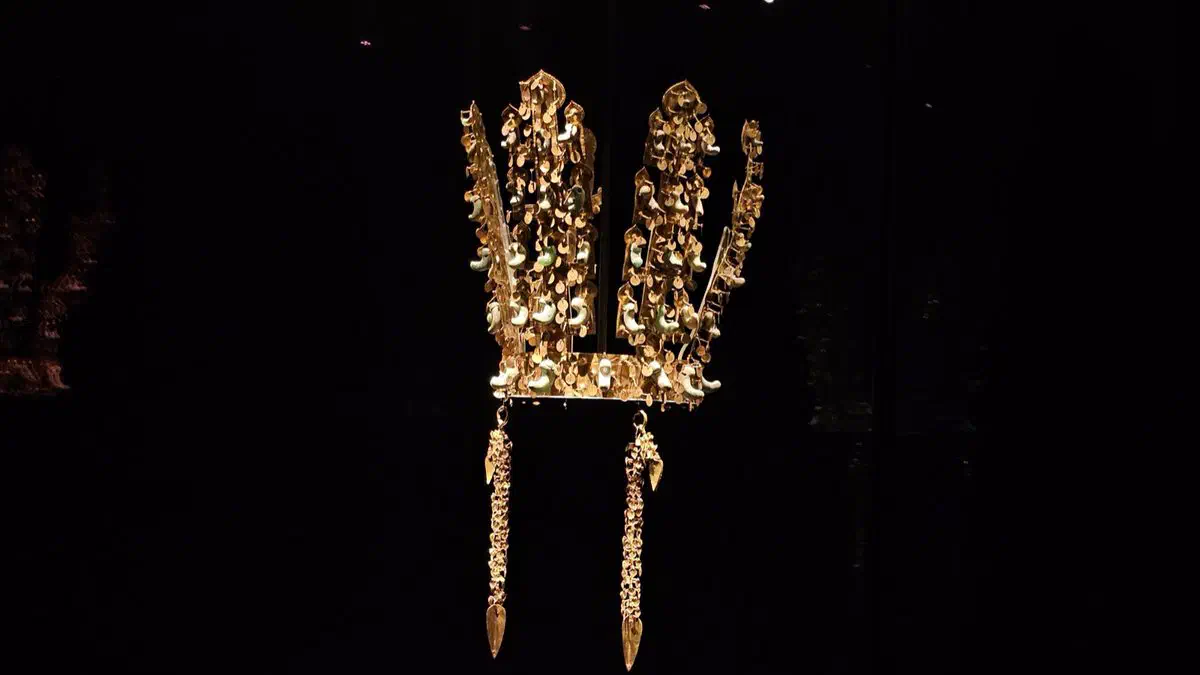
The Silla History Gallery runs the kingdom from its founding to its end across four rooms — room one on the beginnings, room two given entirely to the gold, and room three on unification and the Unified Silla period that followed.
The Silla Art Gallery holds around 750 works across three rooms: Buddhist art on the ground floor, and upstairs a room on the temples themselves — reliquaries, roof tiles and floor bricks excavated from Hwangnyongsa, Bunhwangsa, Gameunsa and Sacheonwangsa.
Bunhwangsa is a twelve-minute walk from the museum. That is the pattern again: the finds are indoors, the site is outdoors, and they are within sight of each other.
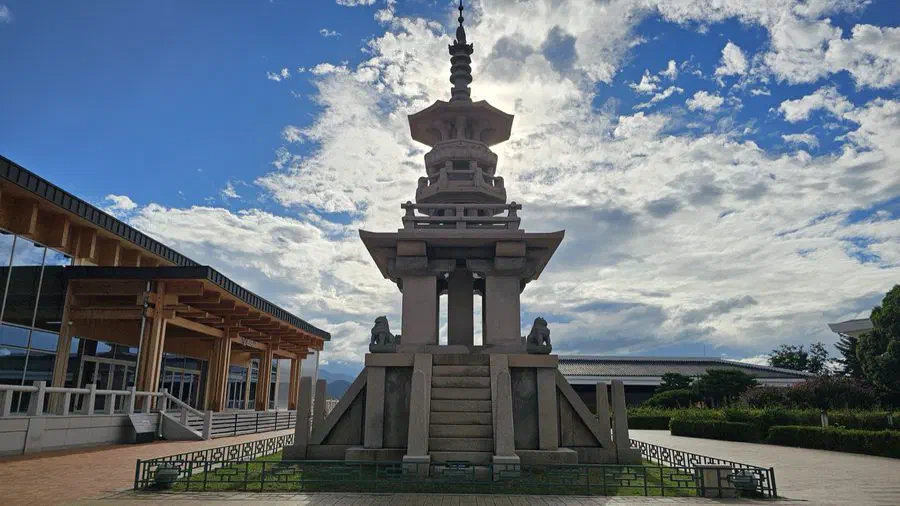
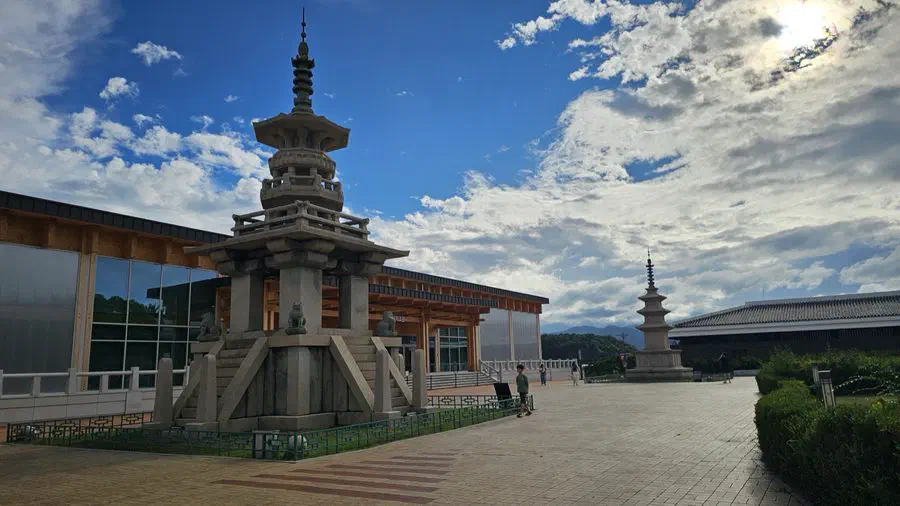
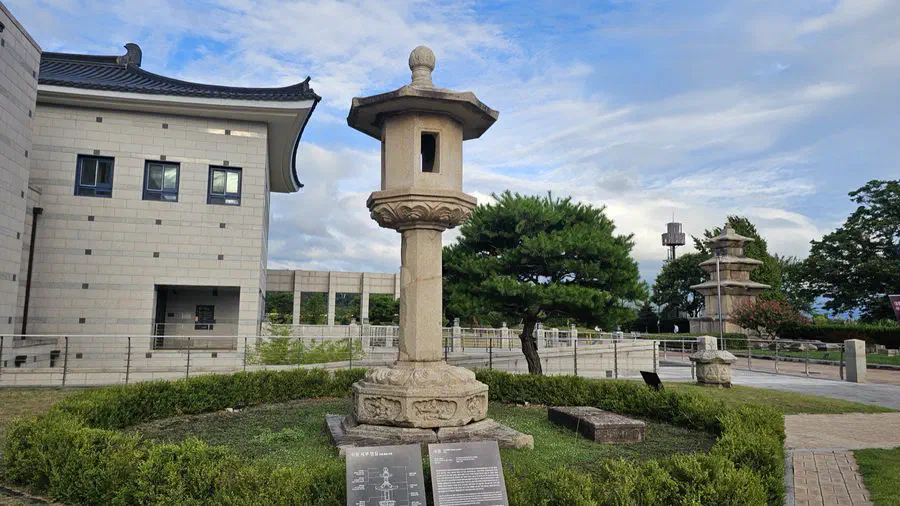
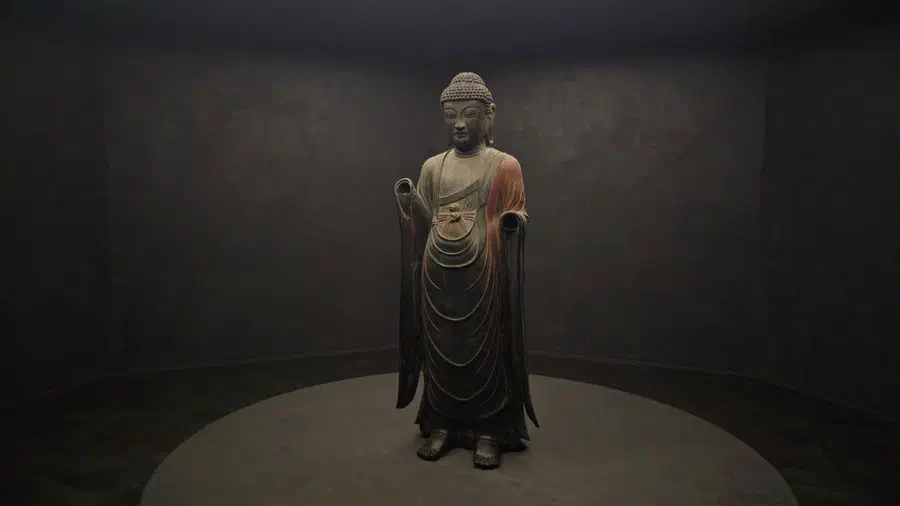
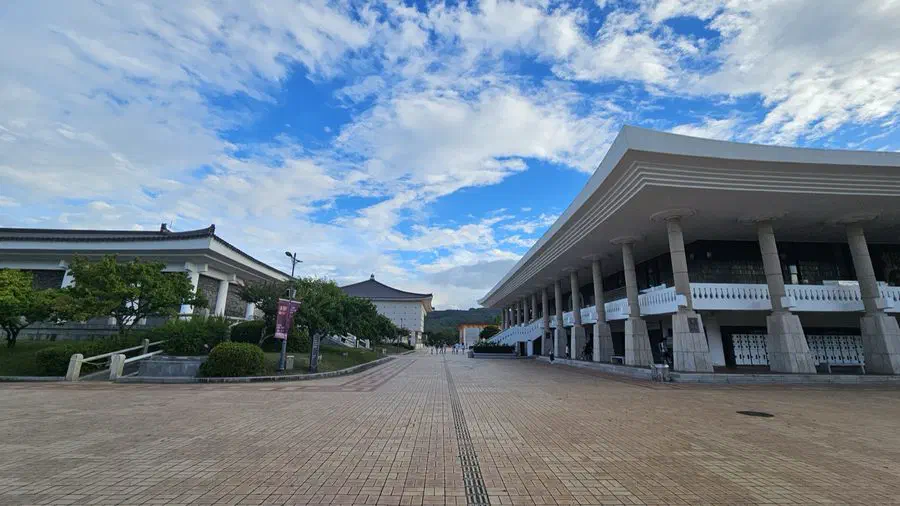
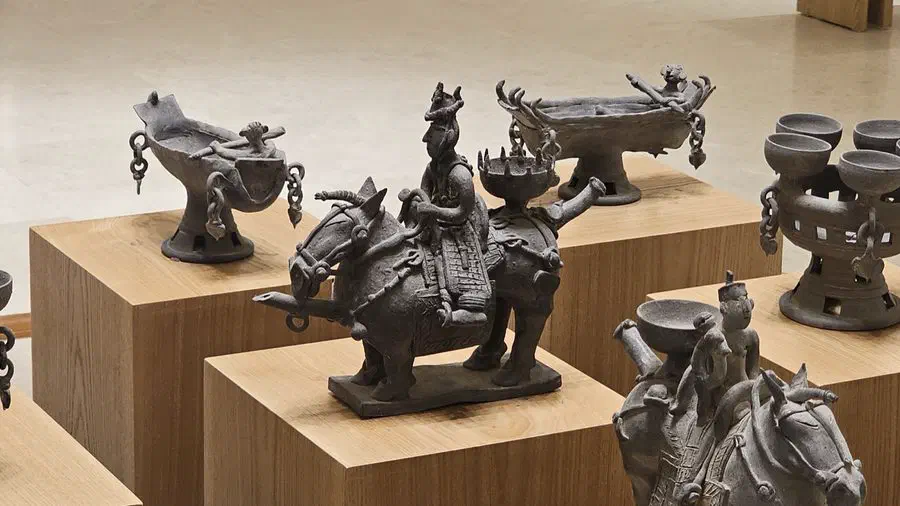
Photos: Ilsang, Ilsang — Everyday Korea, unposed
About the six gold crowns
In late 2025, for the APEC summit and the museum’s 80th anniversary, Gyeongju put six Silla gold crowns in one room — Geumgwanchong, Hwangnamdaechong north mound, Cheonmachong, Seobongchong and Geumnyeongchong among them. It was the first time they had been shown together in the 104 years since the first Silla crown was identified.
That exhibition closed on 14 December 2025. It is worth knowing about only because it is still circulating in trip write-ups as though it were permanent. The permanent gold display in the Silla History Gallery is excellent and is not that.
What Gyeongju National Museum costs, and when it shuts
Admission to the permanent galleries is free. Paid special exhibitions are separate and occasional.
The closing pattern is the reason to build a Gyeongju day around this place rather than around a palace. It shuts on three days a year — 1 January, Seollal and Chuseok — with no weekly closing day at all. The one catch is a maintenance rotation: individual galleries close on the second Monday of March, June, September and December, so the building is open but one room may not be.
- Admission
- Free (permanent galleries)
- Hours
- 10:00–18:00, last entry 17:30
- Late opening
- Saturdays to 20:00, March–October
- Closed
- 1 January, Seollal, Chuseok
- ⚠️ Gallery rotation
- Second Monday of March, June, September, December
That matters more than it sounds. Seoul’s palaces each close one day a week on days that do not line up, and ten of Korea’s fourteen national museums close every Monday too. Gyeongju is one of only four that do not — with Seoul, Jeonju and Gwangju. On a Monday, this is one of the few places on our museum map that is actually open.
Getting there
The museum is not near the station, and the station is not near the town. Gyeongju Station is the former Singyeongju, out on the KTX line, renamed in February 2023 — bus 711 runs direct to the museum in about 38 minutes for ₩1,450, and it beats the transfer routes that save two minutes.
We worked that out the hard way; the route screenshots and the taxi timings are in our Gyeongju itinerary.
If Gyeongju is one of several cities on a rail trip, our rail pass guide covers when a pass beats paying per ride. A Korean eSIM does more work here than in Seoul — bus 711’s live position is in Kakao Map and Naver Map, and Google Maps will not route you.
Stays in Gyeongju cluster either downtown near the tomb park or out by Bomun Lake; the museum sits between them, closer to downtown.
In the same trip
Other museums within reach
- Jangsaengpo Whale Museum — Nam-gu, Ulsan, about 39 km away. Sea and ecology rather than history.
- National Lighthouse Museum — Homigot, Pohang, North Gyeongsang, about 41 km away. Sea and ecology rather than history.
Festivals near here
These run on their own dates, so check them against yours before you build a route around them.
- Gyeongju Silla Cultural Festival — October, about 2 km away.
- Pohang International Fireworks Festival — November, about 28 km away.
- Taehwagang Maduhee Festival — June, about 32 km away.
- Ulsan Onggi Festival — May, about 44 km away.
Quick answers
Is Gyeongju National Museum free?
Can you hear the Emile Bell ring?
What is in the Wolji Gallery?
When is Gyeongju National Museum closed?
How do you get to Gyeongju National Museum from Gyeongju Station?
Checked 31 August 2026. The 15 September 2026 acoustic survey session — its 19:00–20:15 timing, the twelve strikes, the 771 public places, the 24–30 August application window and the YouTube stream — from the museum’s own announcement and its events listing, with Kyongbuk Ilbo reporting the same figures. The bell’s 771 CE casting date, its National Treasure No. 29 designation in 1962, the 1992 halt to regular tolling and the 1996 / 2001–2003 / 2020–2022 survey years from National Museum of Korea and Korean heritage records. Gallery structure, the roughly 30,000 objects excavated from Wolji and the thousand on display, and the 750 works in the Silla Art Gallery from the museum’s permanent exhibition pages. Hours, the three annual closing days and the March / June / September / December gallery rotation from the museum’s visitor information. The six-crown exhibition ran 28 October to 14 December 2025 for APEC and the museum’s 80th anniversary. Bus 711’s route, timing and fare, and the February 2023 station renaming, are sourced in our Gyeongju itinerary. Photographs are our own. Programs and hours change — confirm on the museum’s site before you travel.