Jeju Haenyeo Museum: A Culture the Numbers Say Is Ending
Last verified: 2026-09-03. Rules and prices change — always confirm on the official site before you travel.
This page contains affiliate links. If you book through them we may earn a commission at no extra cost to you. It never changes what we recommend.
The Jeju Haenyeo Museum exists because a way of life is shrinking fast. Someone decided to write it down before it goes further. In 1970 there were roughly 14,143 registered haenyeo on Jeju. Today the number is around a fifth of that. Most of the women still diving are past seventy.
The museum is not a memorial — the culture is not gone — but it is a record being built while there is still time to get it right.
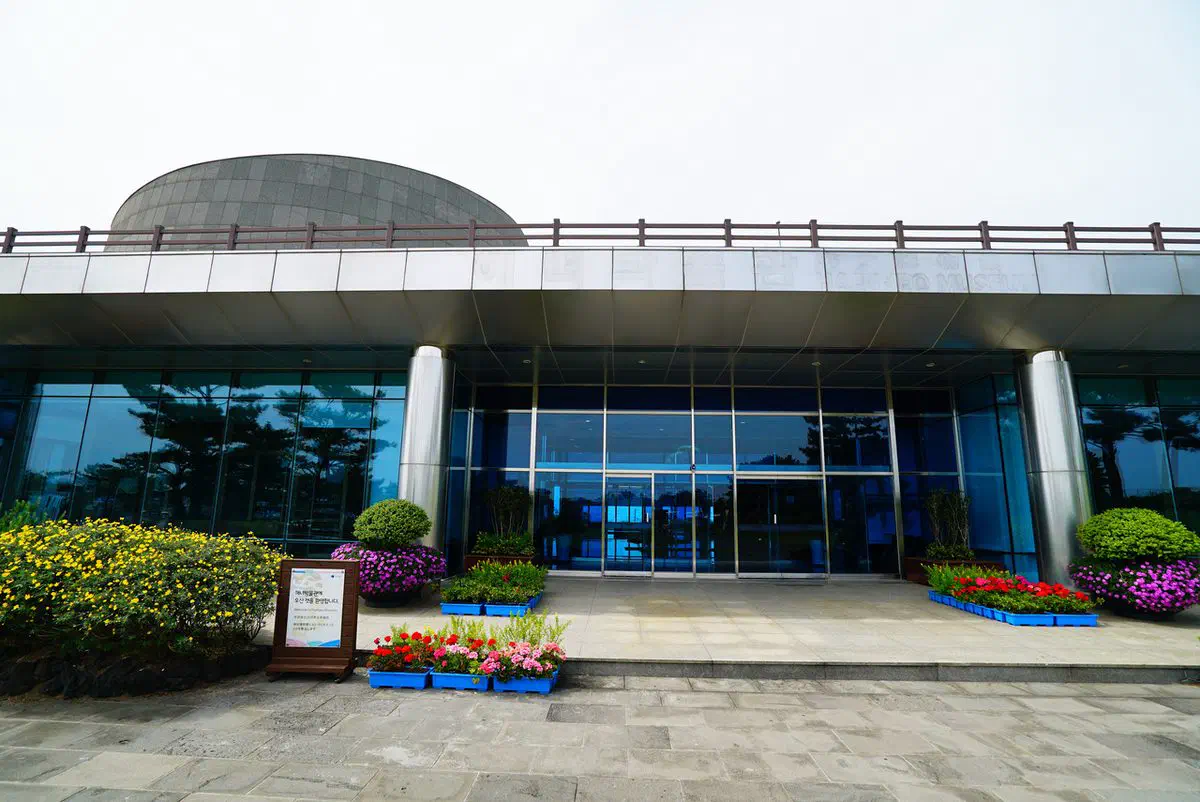
What a haenyeo actually is
Haenyeo (해녀) means “sea women.” They free-dive for shellfish, abalone and seaweed without oxygen tanks, holding their breath for a minute or more at a time, often into their seventies and eighties. It is subsistence and small business at once — what they bring up is sold directly, at markets and to restaurants, income earned the same day it is caught.
The practice earned recognition on three separate registers, each for a different reason:
- December 2016
- UNESCO Intangible Cultural Heritage of Humanity — Jeju haenyeo culture
- May 2017
- Korea’s own National Intangible Heritage No. 132
- November 2023
- FAO Globally Important Agricultural Heritage System — the haenyeo fishing method itself
One detail sets the 2017 designation apart from almost every other entry on this site’s craft titles piece. It names no individual holder. Most national intangible heritage designations identify a boyuja, a recognized bearer of the practice. Haenyeo culture is registered as communal instead — a shared practice rather than one master passing it to one student. That is because thousands of women hold it together. Not one lineage.
Why the number keeps falling
Roughly 4% of registered haenyeo today are under fifty. The work is physically brutal. Decades of repeated breath-holding at depth carry real long-term health costs, and the pay is unpredictable, tied to what the sea gives up on a given day. Younger women on Jeju have had other options for two generations now, and taken them.
Jeju runs a haenyeo school to train new divers, and it fills its intake most years. Whether that keeps pace with attrition is the open question the museum does not pretend to answer for you — the exhibits document the culture rather than the exact date it might end.
What is inside
The collection is built from donated haenyeo households, not purchased artifacts. Diving gear. The tewak, a floating buoy-net that marks a diver’s position on the surface. Boats, and the other tools of the apneic dive. A folklore hall covers jamsugut, the shaman ritual for a safe diving season, and haenyeo norae, the work songs sung on the boat out — both named specifically in UNESCO’s own inscription.
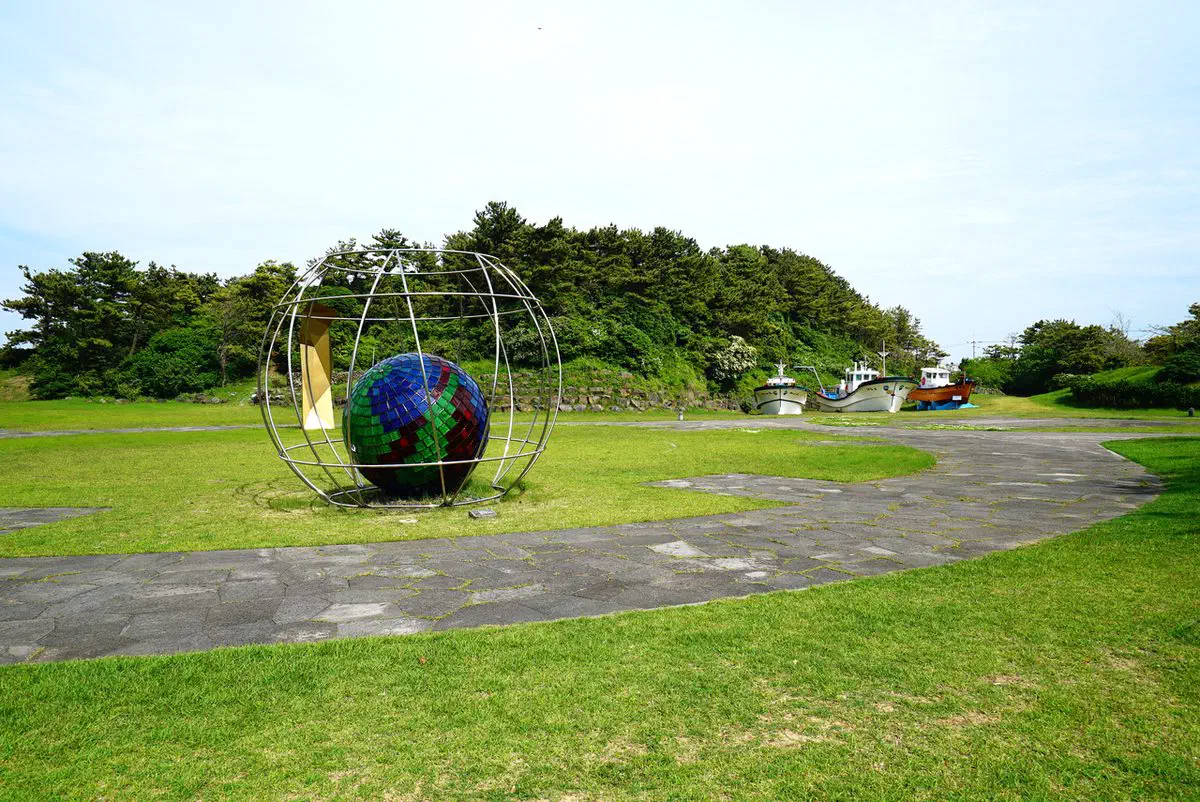
The grounds outside hold retired fishing boats and open-air sculpture rather than a formal garden — a working-harbor feel that suits the subject better than a manicured lawn would.
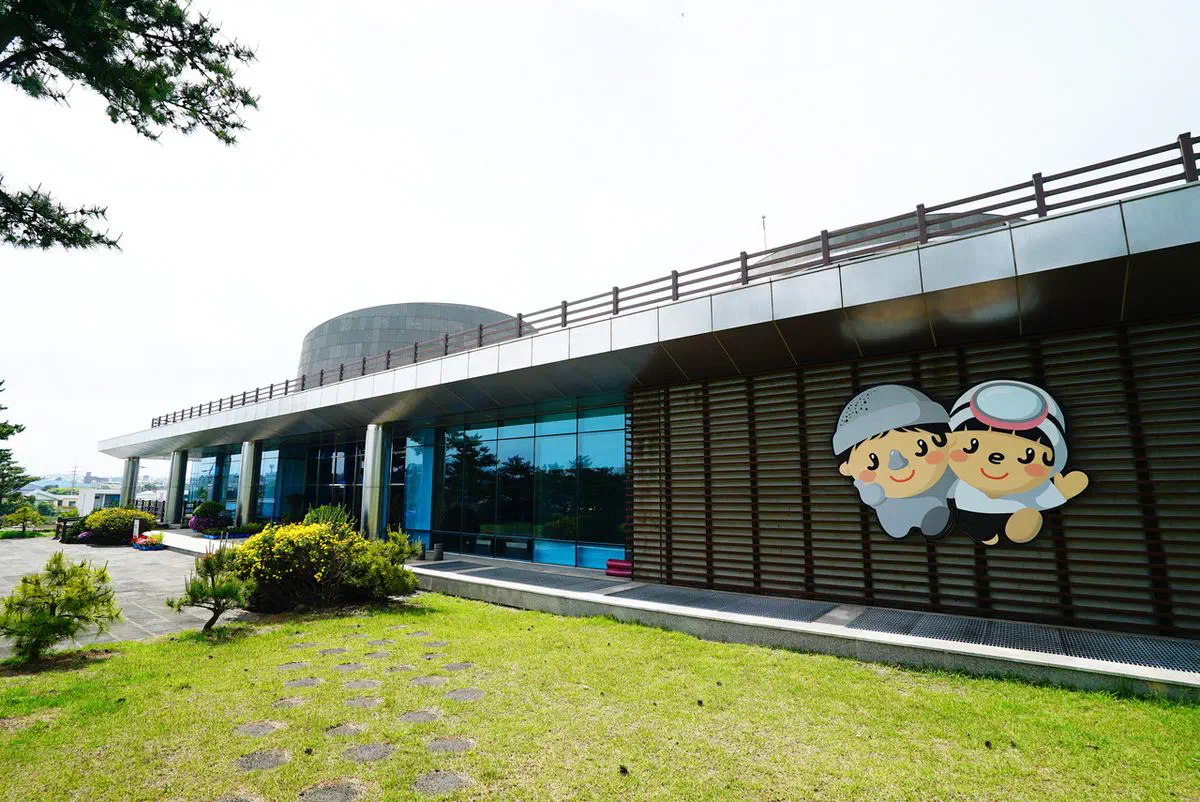
Sehwa Beach is three hundred meters away
This is the detail that turns a museum visit into something more. Sehwa Beach sits almost at the museum’s front door, and haenyeo still work these waters. There is no guarantee of what you will see on a given day. Divers work around weather, season and the tides, not a visitor’s schedule. But the museum’s explanations mean more once you have stood where the practice they describe is, sometimes, actually happening.
If Jeju does not line up with your trip, Busan’s National Maritime Museum covers the other half of this story. Jeju haenyeo crossed to the mainland from the late 1800s and settled on Yeongdo island. Around 119 divers of Jeju descent still work there today — the largest such community outside Jeju itself.
Getting there
Jeju has no train or subway. Getting to the museum means either a rental car or a bus. From Jeju City it is around 50 minutes by car along the coast road, or bus 201 from the airport toward Sehwa — roughly an hour, depending on traffic and transfers.
A Korean eSIM is worth having before you set out — bus timing and live directions along the coast road both need a data connection, and Naver Map handles Jeju’s rural addresses better than Google Maps does. Our eSIM comparison covers which one to buy.
Stays in Jeju City put you closest to the airport and the bus network; a car makes the museum and Sehwa Beach an easy stop on a longer loop around the island’s east coast.
In the same trip
Other museums within reach
- Jeju National Museum — Jeju, about 28 km away.
Festivals near here
These run on their own dates, so check them against yours before you build a route around them.
- Jeju Olle Walking Festival — November, about 20 km away.
The coast from here
- The Seohaerang Trail — Ttangkkeut, Haenam, South Jeolla, about 90 km away. The trail itself runs the length of the west coast, so it likely passes closer than this.
Filmed near here
- K-Pop Locations in Jeju — Oedolgae, Seogwipo, Jeju, about 43 km away.
Quick answers
What is a haenyeo?
Is Jeju haenyeo culture a UNESCO heritage?
How many haenyeo are there today?
Can I see real haenyeo diving near the museum?
Checked 3 September 2026. Museum hours, admission, closing days and address from Jeju City’s own museum page. The December 2016 UNESCO inscription, the practices it names (jamsu diving, jamsugut ritual, haenyeo norae songs), the May 2017 National Intangible Heritage No. 132 designation and its unusual communal (no individual holder) status, and the November 2023 FAO Globally Important Agricultural Heritage System listing from the Korea Heritage Service’s UNESCO heritage pages and Korean-language reporting on the inscriptions. The 1970 count of roughly 14,143 registered haenyeo and the decline to about a fifth of that, and the roughly 4% share under fifty, from Korean regional press reporting on Jeju provincial haenyeo population data — exact recent-year counts vary between Jeju City and province-wide reporting, so only the well-corroborated long-run trend is used here. The Yeongdo haenyeo community and its connection to this museum are covered in more depth in our National Maritime Museum piece. Hours and prices change — confirm before you travel.