Seoul Palace Tickets: Prices, Passes and the Tuesday Trap
Last verified: 2026-08-29. Rules and prices change — always confirm on the official site before you travel.
This page contains affiliate links. If you book through them we may earn a commission at no extra cost to you. It never changes what we recommend.
Seoul palace tickets come one per site — five palaces and a royal shrine, each with its own price, its own closing day and its own opening hours. Two of those three catch visitors out, and the combined ticket that is supposed to simplify it is sold as an obvious saving when it is not always one.
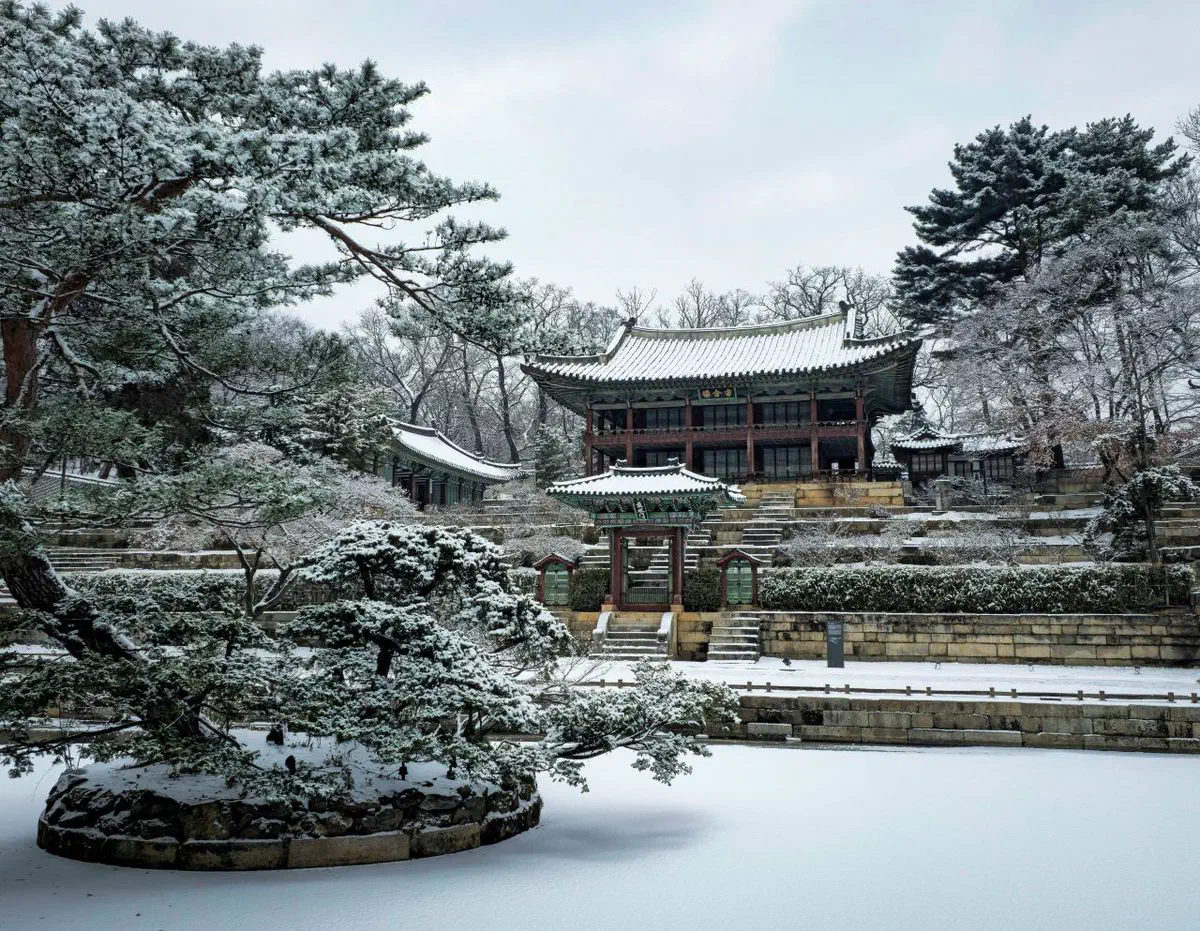
The closing days do not line up
This is the one that ruins afternoons.
- Closed Monday
- Changdeokgung · Deoksugung · Changgyeonggung · royal tombs
- Closed Tuesday
- Gyeongbokgung · Jongmyo · Chilgung
Gyeongbokgung, the one everybody comes for, closes on a different day from the three palaces nearest it. Plan a Monday around Gyeongbokgung and a Tuesday around Changdeokgung, and you get both. Do it the other way round and you get neither.
When a closing day falls on a public holiday the site opens anyway, and the closure moves to the next non-holiday.
If a closure has taken your morning, the National Museum is open on both of those days and costs nothing.
Seoul palace tickets, individually
Foreign visitors pay the same as Korean nationals. Adult prices:
- Gyeongbokgung
- ₩3,000
- Changdeokgung, palace buildings
- ₩3,000
- Changdeokgung, Huwon garden
- ₩5,000 more — and the ₩3,000 ticket is still required
- Changgyeonggung
- ₩1,000
- Deoksugung
- ₩1,000
- Jongmyo Shrine
- ₩1,000
Whether the combined ticket pays
The combined ticket is ₩6,000, valid for six months, and covers one visit to each of the four palaces and Jongmyo. It is sold at the ticket offices of those same sites.
It does not include the Huwon garden. That is the detail worth knowing before you buy, because Huwon is the reason many people go to Changdeokgung at all.
Buying separately, all five come to ₩9,000. So:
If you are seeing two palaces on one trip, buy singles. If you are seeing three or more, the pass wins — and six months of validity means it survives a second visit to Korea.
Huwon: booked, capped, and partly closed
The rear garden at Changdeokgung is a restricted-access area. Entry is by timed slot with a fixed capacity, and each slot is split between online booking and same-day sales at the gate. Booking opens six days before the visit date.
Two things about it are worth knowing before you plan around it.
There are English-language slots, and Koreans cannot book them. Guided Huwon tours run in Korean, English, Chinese and Japanese, and the official guidance is explicit: during foreign-language sessions, Korean nationals may not enter — except up to two accompanying a foreign visitor. English tours run Tuesday to Sunday. This is the rare case where being a foreign visitor gets you capacity rather than costing you it.
Ongnyucheon drops off the route in the hottest and coldest months. The stream and pavilions at the far end of the garden — the part in most of the photographs — are cut from the course every July–August and December–February, when the tour shortens from 90 to about 70 minutes and ends at Yeongyeongdang instead. This is a routine seasonal adjustment on the official course rather than a closure, but if you are visiting in one of those months specifically for Ongnyucheon, it is off the route regardless. Our full breakdown of the booking window, session times and this seasonal course change covers the rest of the mechanics this page doesn’t have room for.
Free English tours you do not have to book
Separate from Huwon, and easy to miss: the palace buildings at Changdeokgung have free guided tours in English, Tuesday to Sunday, and no reservation is needed. You turn up at the meeting point opposite Injeongmun and walk for about fifty minutes.
Korean, Chinese and Japanese tours run on their own days. Given that the buildings themselves cost ₩3,000 and the tour costs nothing, this is the best value in the whole system.
Two palaces stay open into the evening
Deoksugung and Changgyeonggung both run to 21:00, year-round, with last entry at 20:00. The others close between 17:00 and 18:30 depending on season.
Deoksugung at ₩1,000 with a stone-wall walk in the dark is a different experience from the same place at noon, and it is the answer to “what do we do after the museums close”.
Free performances happen all day
The changing of the guard and three other ceremonies run at Gyeongbokgung on a fixed daily schedule, and none of them need a word of Korean.
Hanbok still gets you in free
Wearing hanbok waives admission at the palaces — but the definition of what counts is written down, and some rental sets fail it. The rules, and what to check before you pay covers which garments qualify and what the palaces actually inspect.
If you want the hanbok without the queue, Jeonju has no gate to get through and the whole village as a backdrop.
Getting around them
The four palaces and Jongmyo sit within walking distance of each other in Jongno, and of the hanok districts and Insadong’s craft workshops. You can reasonably do two palaces and a workshop in a day on foot.
Alley addresses defeat Google Maps in this part of Seoul, so a Korean eSIM and Naver Map are worth having — our comparison covers which to buy.
Quick answers
Does the combined Seoul palace ticket save money?
Which day does Gyeongbokgung close?
Are there free English tours of the palaces?
Does wearing hanbok get you into the palaces free?
Checked 29 August 2026. Admission prices, combined-ticket price and validity, closing days and opening hours from the Korea Heritage Service’s royal palaces division. Huwon capacity rules, guided-tour languages and days, the restriction on Korean nationals during foreign-language sessions, and the seasonal exclusion of Ongnyucheon from the July–August and December–February course from the Korea Heritage Service’s own Changdeokgung viewing-course page, cross-checked against the same body’s guided-tour listing. Tour times and the seasonal course change are covered in full in our dedicated Huwon guide — confirm on the official site before you build a day around either.