Bucheon International Comics Festival: BICOF, Not BIAF
Bucheon runs two similarly-named festivals a month apart. BICOF is comics and manhwa in September — here's how not to end up at the other one.

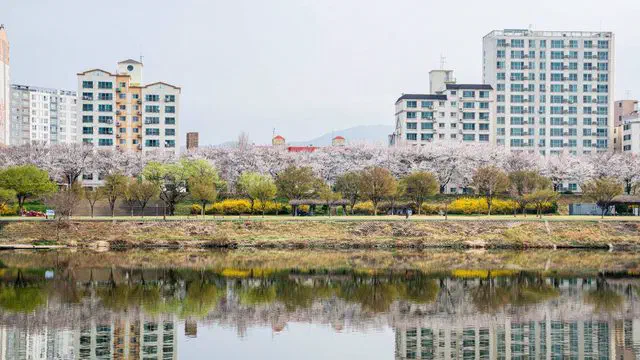
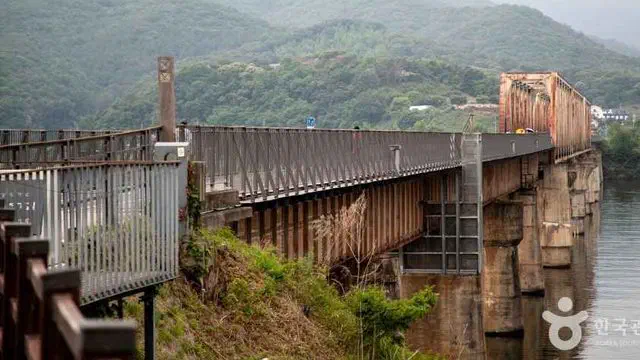
Photo: Korea Tourism Organization — ⓒ한국관광공사 사진갤러리-한국관광공사 이범수, Photo Korea
eSIM, arrival, entry rules and tax refunds — the practical layer, checked against Korean government sources.
Everything here was checked against Korean government sources rather than other English guides, because that is where the two diverge. Fares, entry rules and refund schemes change on dates that Korean ministries announce and English-language travel writing picks up a year late, if at all.
Start with arriving at Incheon if you have not booked yet — two of its steps have to happen before you board the plane.
The pieces that most often save people money or a wasted day:
Rules that move get their own page: what changed carries the date each one shifted and the date we last checked it.
Bucheon runs two similarly-named festivals a month apart. BICOF is comics and manhwa in September — here's how not to end up at the other one.
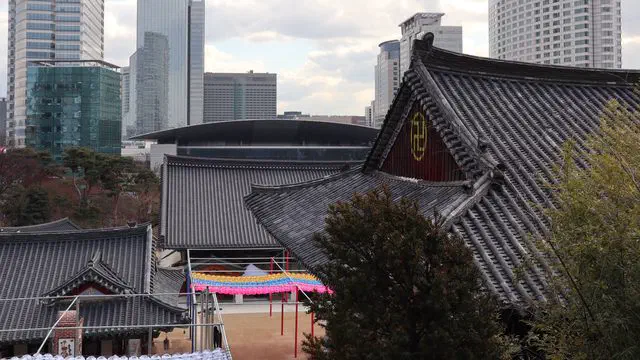
COEX hosts two of Asia's biggest art fairs every September. Bongeunsa, a working temple older than the Joseon dynasty, sits five minutes from the entrance.
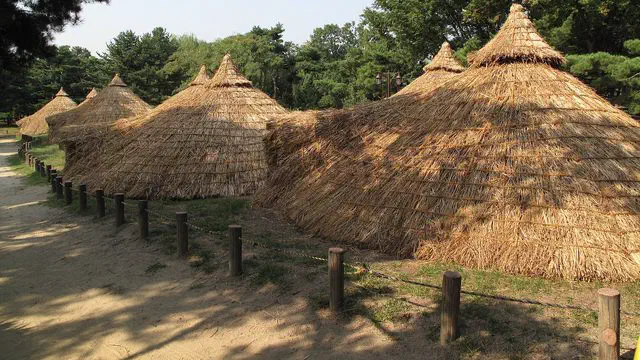
Seoul's only festival built on a Neolithic site, uncovered by a 1925 flood, now reachable by a subway station that didn't exist until 2024.
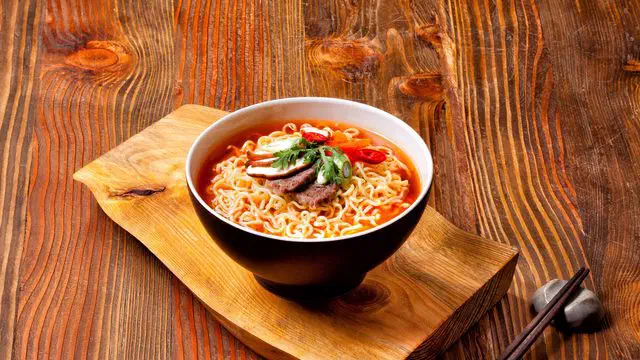
Korea's biggest ramyeon factory sits here. Every November, the street outside Gumi's train station turns into one long noodle stall for three days.
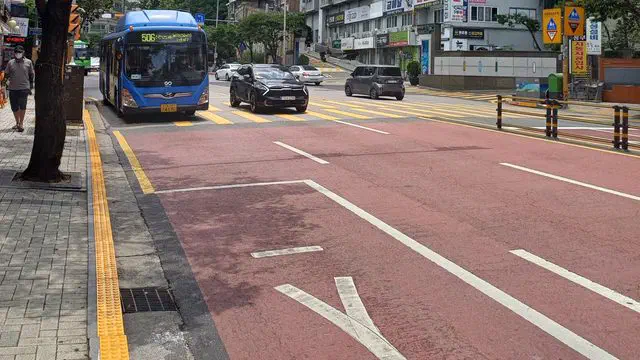
Blue, green, red and yellow buses each mean something different in Seoul — fares, boarding, and why the first bus of the day is often the fullest one.
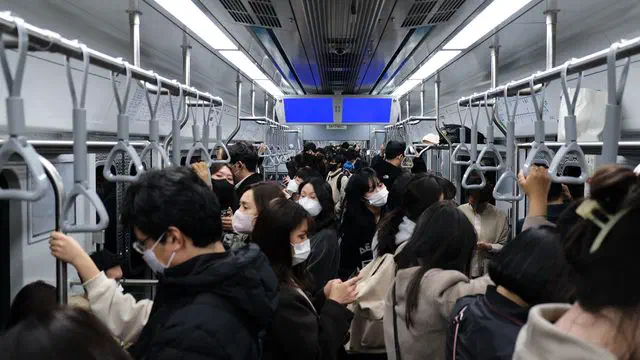
T-money, line colors, exit numbers, rush hour, lost and found, luggage lockers — everything the Seoul subway assumes you already know, in one place.
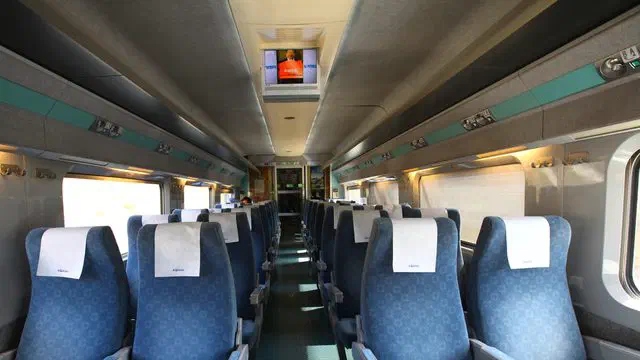
Standard, deluxe or premium seating changes the fare by nearly double. Where to book as a foreigner when the official sites reject your card.
Base fare, the distance formula, the late-night surcharge schedule, and why a T-money card doesn't buy you a transfer discount the way it does on a bus.
Seoul's public bikes have a tourist rate that skips ID verification entirely. Pricing, docking etiquette, and which other Korean cities run their own version.
A tidal creek runs through a former salt field near Seoul, protected as a national wetland since 2012 — and a September festival is built entirely around it.
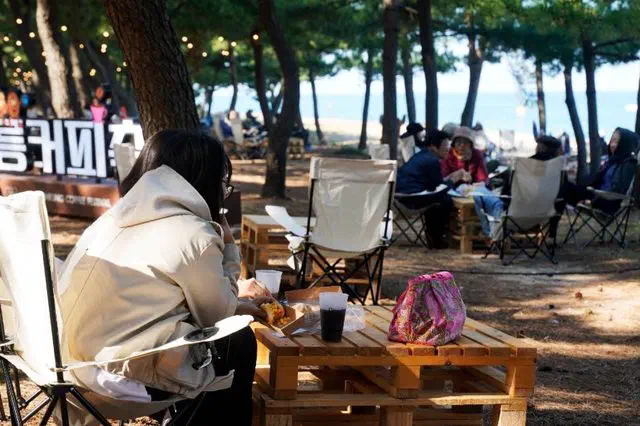
For 2026 the festival deliberately spread out of the coffee street into the whole city — and it lands the same week a world congress fills Gangneung's hotels.
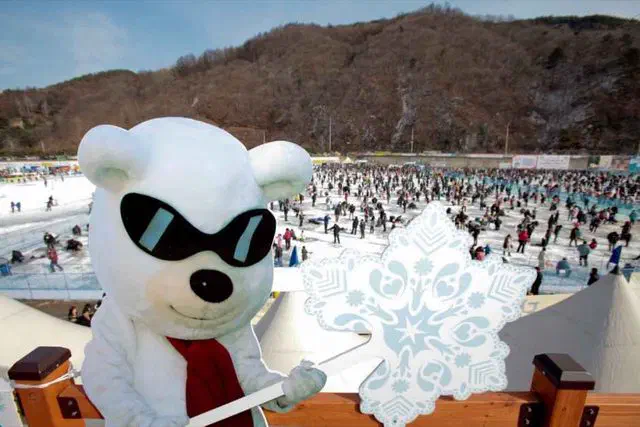
Korea's biggest winter festival runs three separate ice fishing areas, and one of them exists specifically for foreign visitors. Dates, fees and the fine print.
The 2026 festival moved venue and moved three weeks earlier. Most English listings still print the old date and the old stadium — here is what actually happens.
Public wifi in Korea covers subways and parks, not the sidewalk where you need a taxi. Data of your own, plus Kakao Map or Naver Map, is what gets you around.
A 15th-century scholar wrote that Hangul could be learned in a morning. An hour of that gets you enough to read station names and shop signs on your own.
Cherry blossom crosses the country over about two weeks, and autumn color travels the other way at 20 km a day. Plan around the direction, not the month.
Since March 2026, failing to tap out on the Seoul subway breaks your transfer and charges you again later. Fares, transfer windows and what changed.
Korean addresses encode the width of the road you are looking for. Google Maps has been missing the data to use them — and that changed in February 2026.
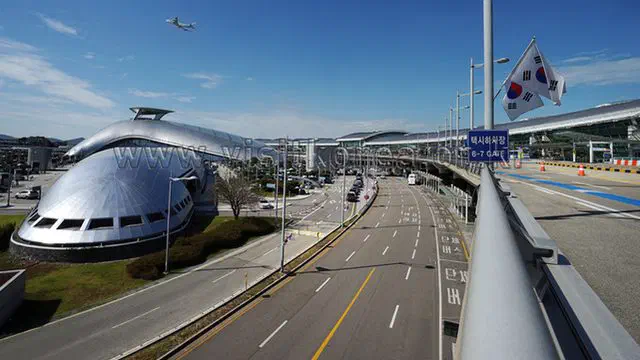
Entry card, data, money, transit card, train — the Incheon arrival sequence in the order it happens, including the 2026 rule that catches people out.
The route is five official sections, one real climb, and about 42 hours of pedalling. Here is how the pieces fit, and where the numbers people quote come from.
The Korea rail pass is sold as an obvious win. Run the numbers and most itineraries lose on it. Here is the break-even rule and when the pass pays.
Most Korea eSIMs give you data and no Korean number. What that still blocks in 2026, what it no longer blocks, and how to get a number if you need one.
Every comparison ranks Korea eSIMs by price per gigabyte. That is the wrong question. Here is what actually breaks, what it costs, and what changed this year.
Korea stamps cyclists into a paper booklet, and there is an app now. The app does not replace the booklet, and the last step is still a physical hand-off.
Most English cycling guides still say to take the Mugunghwa train home with your bike. Those carriages were scrapped in 2022. Here is what actually works now.