Korail Pass: Run the Numbers Before You Buy
Last verified: 2026-08-08. Rules and prices change — always confirm on the official site before you travel.
This page contains affiliate links. If you book through them we may earn a commission at no extra cost to you. It never changes what we recommend.
The Korail Pass gives foreign visitors unlimited travel on KTX and most other Korail trains for a set number of days. Every English guide presents it as the obvious choice for anyone leaving Seoul.
Run the arithmetic and that is often wrong. A Seoul–Busan return costs less than the two-day pass. If that is your whole trip outside Seoul, the pass loses you money.
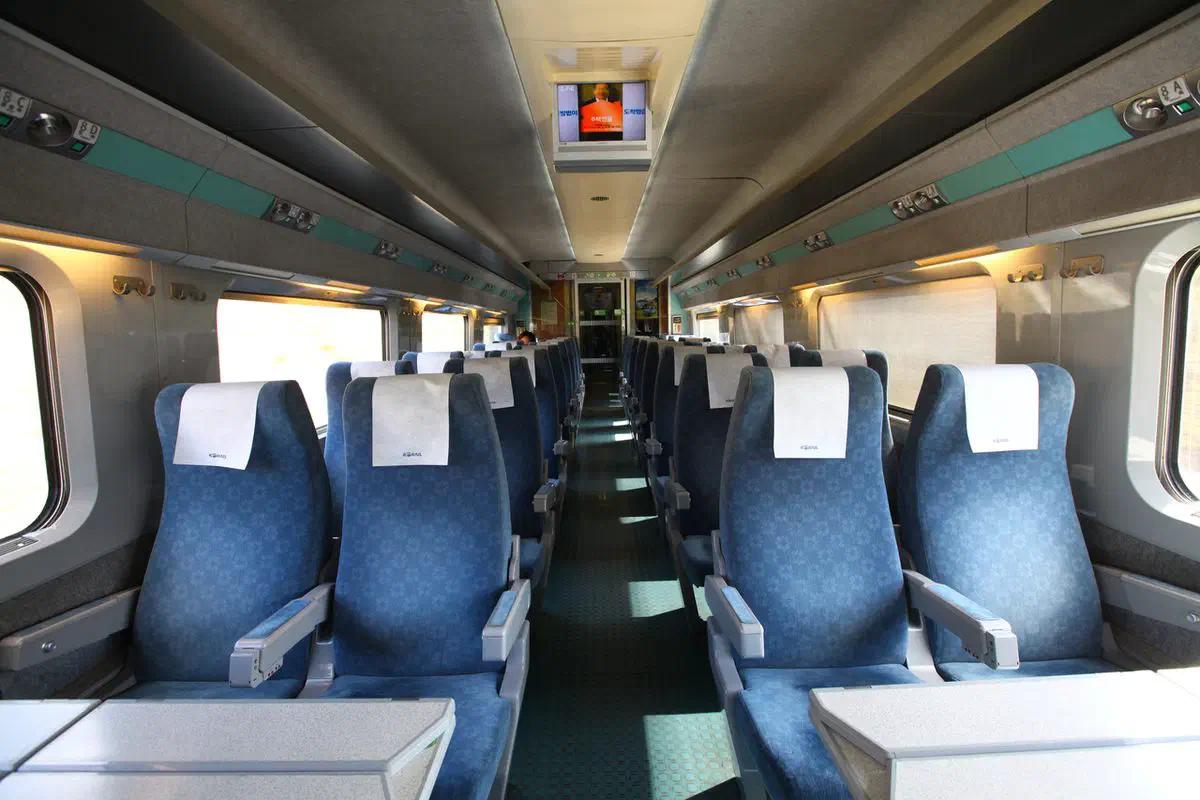
The break-even rule
You do not need a spreadsheet. Divide the pass price by the number of days it covers. That is what you must spend on train fares each activated day for the pass to be worth buying.
A day on which you ride Seoul to Busan and nothing else does not break even. A day on which you ride Seoul to Busan, then Busan to Gyeongju, probably does.
Two different passes, and guides mix them up
This is where published prices stop agreeing with each other, and it is worth understanding before you compare anything.
| Type | How it works | Adult |
|---|---|---|
| Select | Choose your travel days within a 10-day window | 2 days ₩131,000 · 4 days ₩234,000 |
| Consecutive | Days run back to back | 3 days ₩165,000 · 5 days ₩244,000 |
Flexible days cost more than consecutive ones, which is why you will see a three-day pass quoted at both ₩165,000 and ₩186,000 depending on which product the writer was looking at. Neither figure is wrong. They are different passes.
Check which one a listing is actually selling before you compare prices.
There are also age tiers that get skipped in English coverage: youth 13–27 and child 6–12 pay progressively less, and one child under six travels free on an adult’s lap.
Three things that catch people out
SRT is not Korail. Korea has a second high-speed operator running from Suseo station. It is not covered by the pass. Book an SRT train by accident and you have paid twice.
A pass is not a seat. You still have to reserve each ride through Korail’s site or app, using the same passport you bought the pass with. It costs nothing extra, but on a Friday to Busan the unreserved alternative is standing.
Korean passport holders cannot buy it. Nor can residents. If you are traveling with a Korean partner or family, they buy tickets normally and only you use the pass — which changes the math again, because a couple splitting one route is buying one pass and one full-price ticket.
When the Korail Pass actually pays
Buy it if:
- You are covering three or more cities in a week — Seoul, Busan, Gyeongju, Jeonju in some combination
- You want to move without planning, and you will make multiple hops on the same day
- You are traveling as a youth or child, where the tier price drops the break-even considerably
Skip it if:
- Seoul plus one other city is the whole trip
- You already know your dates and can book individual advance tickets
- Most of your travel is inside Seoul, where the subway and T-money card cover everything and trains are irrelevant
For a Seoul-plus-one trip, buy the two tickets. It is less money and one fewer thing to activate.
Where the pass does earn its keep
Korea is small enough that a pass turns the country into a day-trip radius. Both of the places worth leaving Seoul for on a first cultural trip are on the network.
Busan is the other end of the country and the most common second city — our two-day guide covers the fare zones, which work differently from Seoul’s.
Jeonju has 735 hanok in a single village — the largest concentration in the country — and is the easiest place to try a hanok stay without hunting. Gyeongju has 52, with Silla-era ruins on the doorstep.
Doing both in one week, from Seoul, is exactly the itinerary the pass is built for.
Korail Pass on Klook carries 4.8 stars across 9,600 reviews and over 200,000 bookings, which makes it one of the most-purchased transport products in the country. That popularity is not itself an argument that it suits your trip.
The alternative nobody mentions
Intercity buses reach places trains do not, and cost less. They are slower and less comfortable, and for most visitors that trade is fine on a two-hour route.
Worth knowing for 2026: the Korea Tourism Organization has been running discounts on express and intercity bus booking for foreign visitors — a ₩5,000 voucher, with a partner platform adding its own ₩4,000 — specifically because overseas visitors were not finding the online booking channels. Foreign bus usage rose about 32% year on year in the first quarter of 2026 and the awareness gap was the stated reason for the campaign.
If your route is Seoul to a smaller city rather than Seoul to Busan, check the bus before you assume the train.
Before any of this, sort out data — Korail’s booking flow, seat reservations and station signage all live on your phone. A Korean eSIM starts under a dollar; our eSIM comparison covers which to buy, and whether you need a Korean number covers the question everyone asks next.
Quick answers
Is the Korail Pass worth buying?
Does the Korail Pass cover SRT trains?
Do I still need a seat reservation with the Korail Pass?
Can Korean citizens or residents buy the Korail Pass?
Sources checked 8 August 2026. Pass prices and structure from Korail reseller documentation; fare figures from Korean-language rail timetable and fare sources. Published pass prices disagree because Select and Consecutive passes are different products — confirm the exact price and type on korail.com before buying. Bus discount details from Korean-language reporting on Korea Tourism Organization programs.