Siheung Gaetgol Festival: Korea's Only Inland Tidal Creek
Last verified: 2026-09-05. Rules and prices change — always confirm on the official site before you travel.
This page contains affiliate links. If you book through them we may earn a commission at no extra cost to you. It never changes what we recommend.
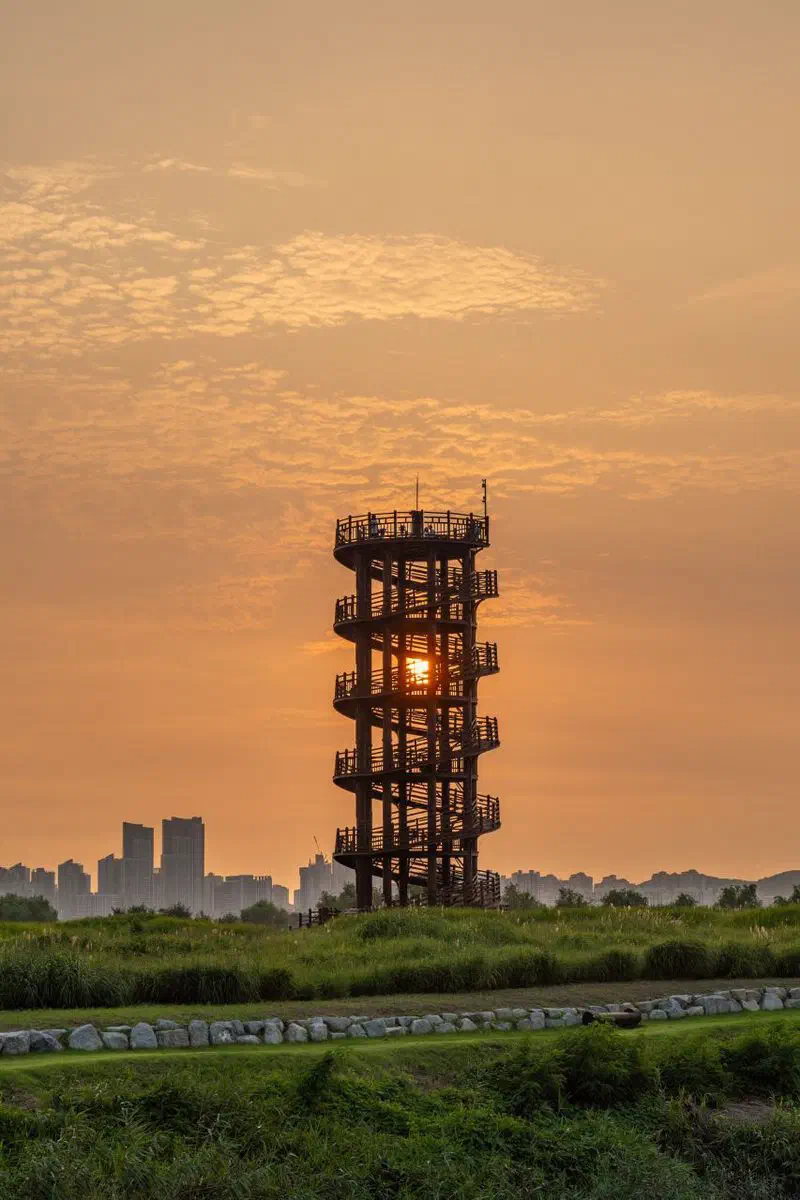
A gaetgol (갯골) is a tidal creek — the channel seawater carves through a mudflat as it drains at low tide. Gyeonggi province has exactly one of the inland-bay kind, cutting through Siheung Gaetgol Ecological Park, and the Korean government has protected it as a national wetland since 2012. Every September, the Siheung Gaetgol Festival (시흥갯골축제) — now in its 21st year — turns that same ground into Gyeonggi’s biggest ecological festival, with the 2026 edition running September 18–20.
What makes Siheung Gaetgol’s tidal flat different
The Ministry of Land, Infrastructure and Transport designated Siheung’s tidal flat as Wetland Protected Area No. 11 on February 17, 2012, covering about 0.71 square kilometers — official paperwork that describes it as Korea’s only inland-bay-type tidal flat, and Siheung’s own top-grade ecological zone. Before any of that, the same ground was the Sorae Salt Field, worked from the 1930s through the 1990s. Several of the original salt warehouses still stand inside the park, and the festival builds programs directly around them. Our guide to Korea’s west-coast tidal flats covers what makes this kind of terrain worth visiting beyond one festival weekend.
From summer cookout to fall showcase
The festival started small in 2006, as a summer event held every August. For its first ten years it drew little attention.
Starting with the 11th edition in 2016, organizers moved it to September — the season the park’s marsh grass and tidal flat actually look their best — and rebuilt the program around the site’s ecology instead of generic festival fare. The redesign worked: the festival picked up Korea’s “Promising Festival” cultural-tourism designation in 2016 and 2017, “Excellent Festival” and Gyeonggi’s own representative-festival status in 2018, and the full Cultural Tourism Festival designation plus a Content Award in 2019 through 2021.
An unlikely launchpad for pop stars
The festival’s Acoustic Music Festival started in 2008 as a minor side stage. From 2016 onward it grew into one of the event’s biggest draws, built on a simple formula: book rising indie acts for the early slots, then close with acoustic veterans the older crowd already knows. In 2017, that early slot went to a duo named Mellomance — who broke nationally the week before, after a September 16 appearance on KBS’s Yu Huiyeol’s Sketchbook sent their song “선물” (“Gift”) up the charts, per Yonhap News coverage at the time. They played Siheung a week later, on September 23, already riding the wave.
Korean festival-watchers point to several other acts who broke out around the same year they played this stage, including Stella Jang and Paul Kim in 2019.
The Siheung Gaetgol Festival in 2026
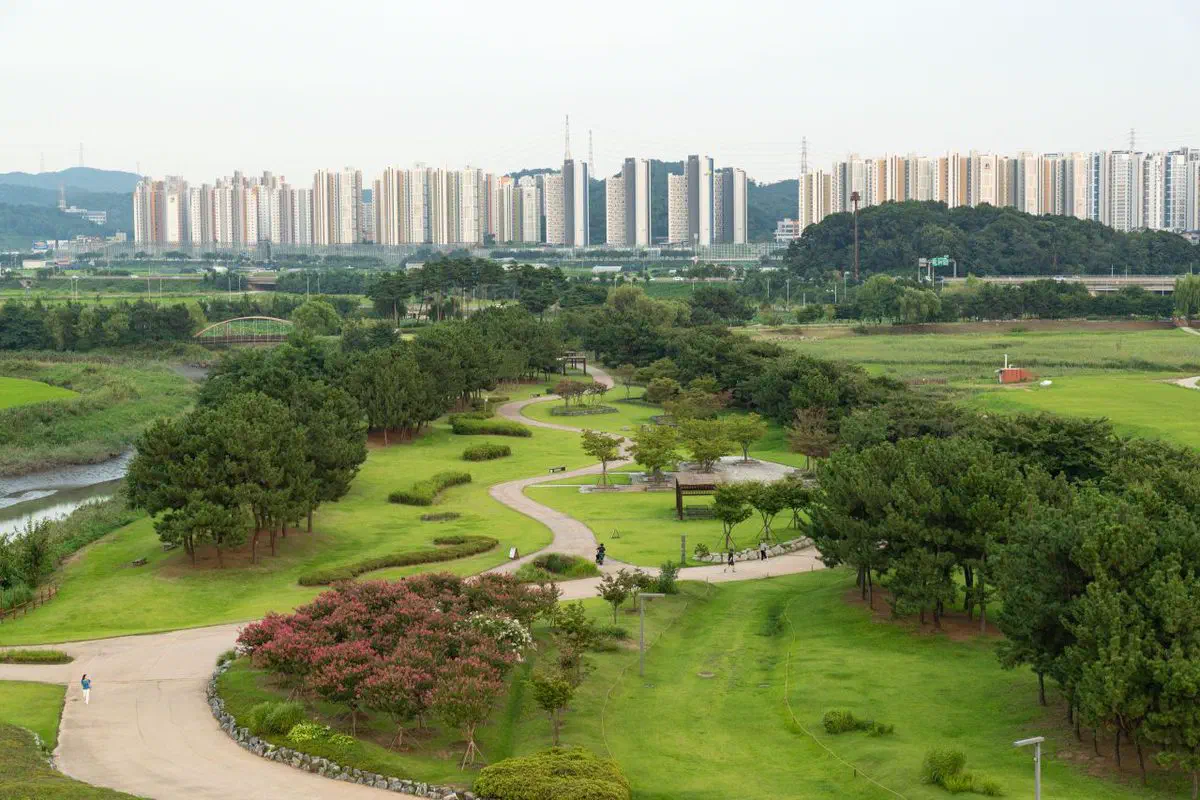
The 21st edition runs under the theme “The Path the Sea Drew, the Art the Wind Made,” with free admission (a handful of hands-on programs charge separately). The flagship evening show, “Salt Road: Memory of Salt, Dance of Water,” stages a reenactment of the site’s salt-making past nightly from 8:30 to 9:30 PM. The other signature program is the Gaetgol Family Run — a mission-based course through the park that fills its pre-registration slots within minutes; an accessible version, the Gaetgol Free Run, has run alongside it for families with disabilities since 2019.
- 2026 dates
- 18–20 September, the 21st edition
- Where
- Siheung Gaetgol Ecological Park, Janggok-dong, Siheung
- Admission
- Free — some hands-on programs charge separately
- Signature programs
- Gaetgol Family Run, Acoustic Music Festival, “Salt Road” evening show
- Site status
- National Wetland Protected Area No. 11 since 2012
Getting there
No subway line reaches the park gate directly. The closest station is Sinhyeon Station on the Seohae Line, Exit 2 — about 2.2 kilometers away, and during festival dates the city marks a walking route from there called Canna-gil, lined with canna flowers. The alternative is Siheung City Hall Station, Exit 2, then bus 63 or 11-3 toward the Donga or Seongwon apartment stops, followed by a roughly 600-meter walk. A companion walking event, “Walk Siheung,” runs two signposted courses timed to the festival’s opening day, one starting at each of those two stations.
A Korean eSIM is genuinely useful here — Naver Map tracks bus arrivals at both stations better than Google Maps does, and the walking route changes slightly every year depending on where the festival grounds expand.
Quick answers
When is the Siheung Gaetgol Festival in 2026?
What makes Siheung Gaetgol different from other Korean tidal flats?
How do I get to Siheung Gaetgol Ecological Park by public transit?
Is the Siheung Gaetgol Festival just about nature, or is there music too?
Checked 5 September 2026. Wetland Protected Area No. 11’s February 2012 designation and the site’s description as Korea’s only inland-bay-type tidal flat from the Ministry of Land, Infrastructure and Transport’s own notice and corroborating coverage from Siheung’s environmental groups. The Sorae Salt Field’s 1930s–1990s operating history and the festival’s founding year, early attendance, and Acoustic Music Festival lineup history from Korean-language festival community sources. The festival’s award history (Promising Festival 2016–17, Excellent Festival and Gyeonggi Representative Festival 2018, Cultural Tourism Festival and Content Award 2019–2021) from the same sources, cross-checked against Korea Tourism Organization’s Cultural Tourism Festival program records. Mellomance’s September 2017 breakout date from Yonhap News and KBS News coverage of “Yu Huiyeol’s Sketchbook.” The 2026 edition’s dates, theme, and evening-show details from Siheung city government notices and local Gyeonggi press coverage of the 21st edition. Transit access details from local walking guides and the city’s own “Walk Siheung” event announcement. Dates, programs and access routes change every year — confirm on Siheung city’s own festival page before you travel.