Busan K-Pop Locations: One Village, Three Different Shoots
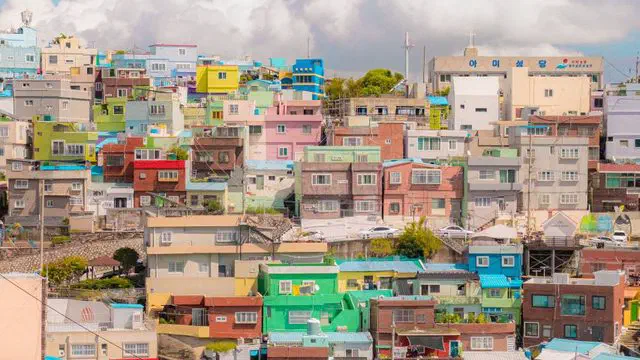
A hillside village in Busan hosted a BTS album shoot, a Super Junior video, and Korea's own viral tourism film — three eras of K-content, one neighborhood.

Photo: lumoplank, Wikimedia Commons
K-dramas, K-pop videos, and now an animated Netflix hit are all built on real Korean streets, parks, and towers — this section covers what's actually there once the show ends.
A song or a show fades from the charts in months. The tower it was filmed in front of, the alley two actors walked down, the harbor a K-pop video crew set up in before sunrise — those stay put for decades. This section is built around that gap: not “what’s trending in K-content right now,” but which real, permanent places in Korea a screen moment pointed a camera at, and what’s worth knowing before you go stand in the same spot.
That distinction matters more than it sounds like it should. A pop-up store or a themed festival tied to one show closes when its run ends and leaves nothing behind. A public tower, a hanok neighborhood, or a working fishing harbor doesn’t — it was there before the cameras showed up and it will still be there in five years, whatever else is popular by then. Every guide here is picked for the second kind of place.
No stills from any show, video, or film appear anywhere in this section — ever. Every photo is a current, original photograph of the real location as it stands today, not a frame pulled from a broadcast or a music video. The productions covered here are all still under copyright, and someone standing at the actual spot sees the place, not the screen. A page that calls itself a “filming location guide” and shows you a screenshot from the show instead is showing you something it doesn’t have the right to show you.
Dates, casts and popularity move fast in K-content; the real-world places behind them mostly don’t. Each guide in this section is checked and dated on its own — see the individual page for when.
A hillside village in Busan hosted a BTS album shoot, a Super Junior video, and Korea's own viral tourism film — three eras of K-content, one neighborhood.
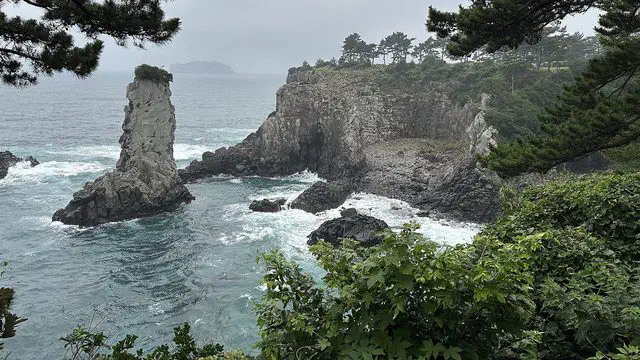
Jeju was a screen backdrop years before K-pop found it — the rock BTS used for an album cover was already famous from a 2004 historical drama.
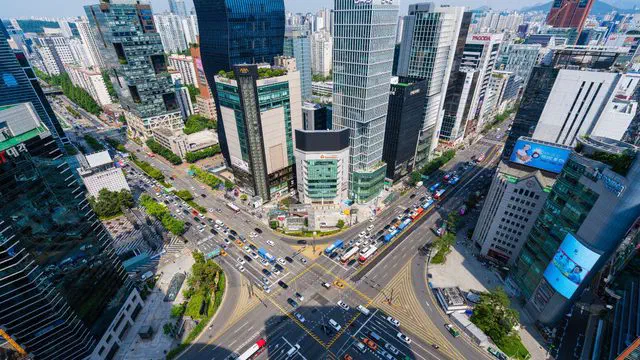
The most-watched K-pop video of all time wasn't shot in the district it's named after. Three real, still-standing locations behind three eras of K-pop.
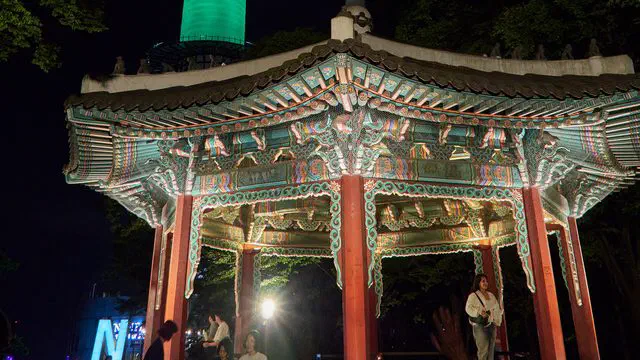
Netflix's animated hit isn't live-action, so its Seoul isn't a filming location — just real landmarks, redrawn. What N Seoul Tower actually looks like.
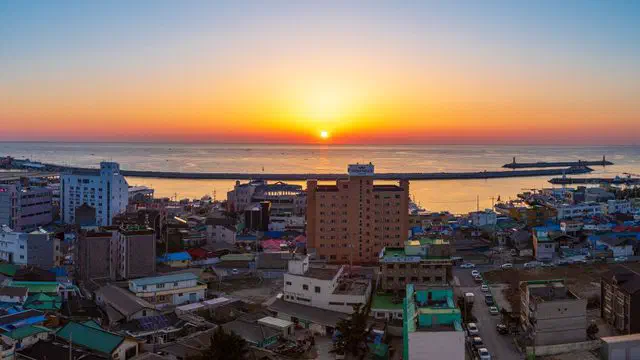
Gangneung is where Goblin, The Glory and BTS's Spring Day were all filmed — real locations, what's actually there now, and which one is a rebuilt replica.
Itaewon Class's real pojangmacha is still open, its set-piece pub isn't — and Crash Landing on You's Seoul scenes are both places Seoul plays Pyongyang.