Oiljang: Korea's Five-Day Markets, and How to Find One
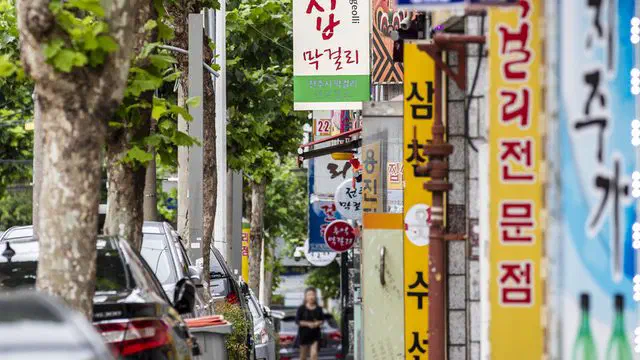
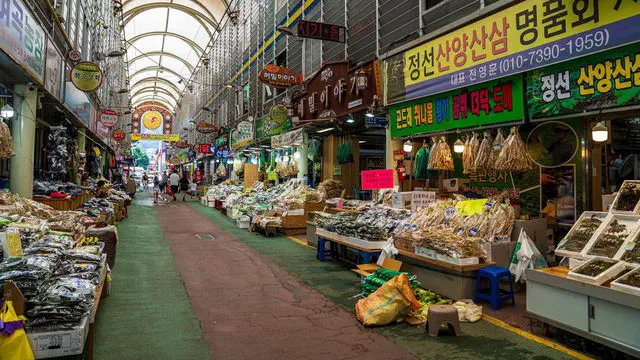
Korea's rural markets run on a five-day cycle, not every day. How the schedule actually works, and the one KTO already promotes to foreign visitors.

Photo: Korea Tourism Organization — ⓒ한국관광공사 사진갤러리-IR 스튜디오, Photo Korea
What's worth buying, what's always sold out, and what Korean shops will not ship abroad.
The useful question is not what to buy but what survives the journey. Korean shops are full of things that will not, and English listings rarely say so.
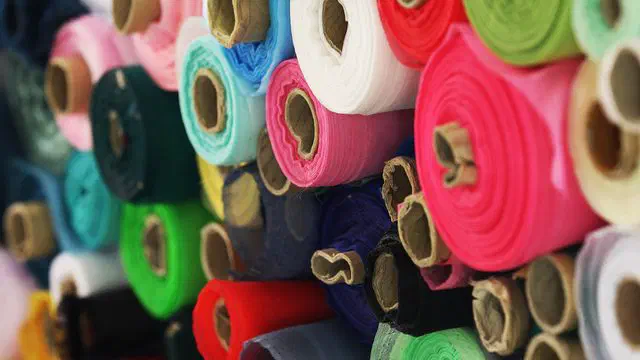
What actually ships abroad sorts the categories: paper and textile travel, ceramics do not, and the difference decides your suitcase.
Titles on a price tag mean specific things. Which designation explains what you are paying for.
Korea's rural markets run on a five-day cycle, not every day. How the schedule actually works, and the one KTO already promotes to foreign visitors.
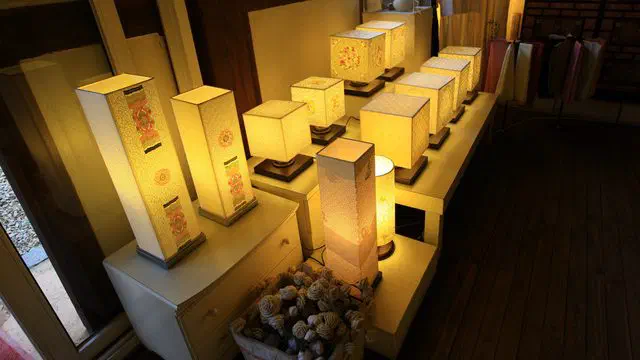
Not everyone wants to make their own hanji lamp. Here is what finished hanji souvenirs actually cost, in Seoul and in Jeonju, and which is worth the suitcase space.
Gwangjang Market's bedding stalls are now roughly 70% foreign customers. What's actually for sale, what the size labels don't tell you, and cash vs. card.
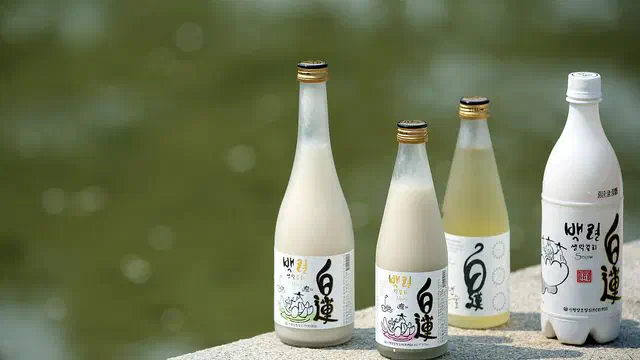
Craft Korean liquor abroad runs $15–29 a bottle, almost always in 375ml half bottles, from a handful of specialty importers. And you cannot mail it to yourself.
Korean glasses shops really do finish a pair in 30 minutes — because the 'eye exam' is a refraction test for a prescription, not a medical check.
Korean liquor shops in Seoul cluster in residential districts, not the ones visitors sleep in. Four worth the subway ride, and what each is actually for.
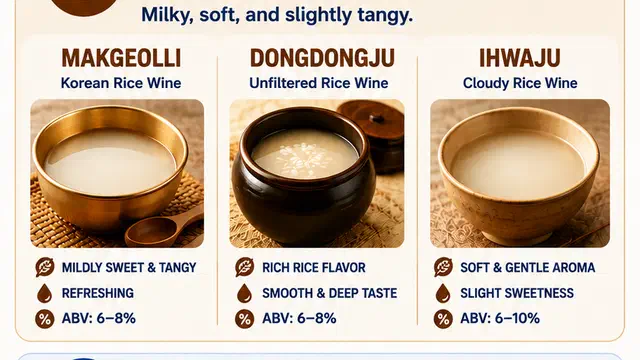
Twenty names on a Korean liquor shelf sort into four questions: how it looks, how it was made, where it came from, and what to eat with it.
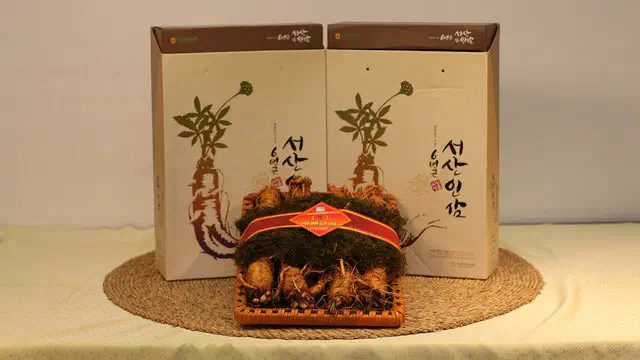
Korean ginseng isn't the CITES-restricted kind, but fresh root and processed red ginseng travel through customs very differently. What to actually buy.
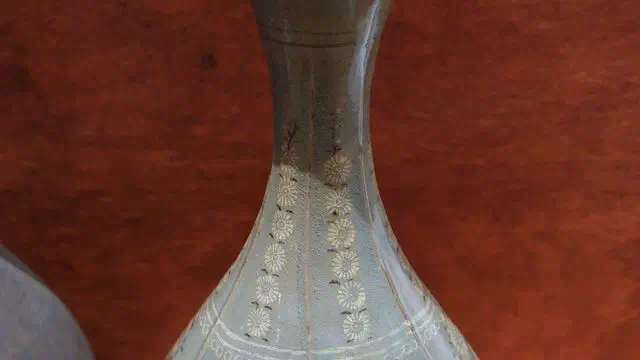
Celadon, buncheong and baekja are not just different colors. The reason the finest pieces are the hardest to bring home is built into how they are made.
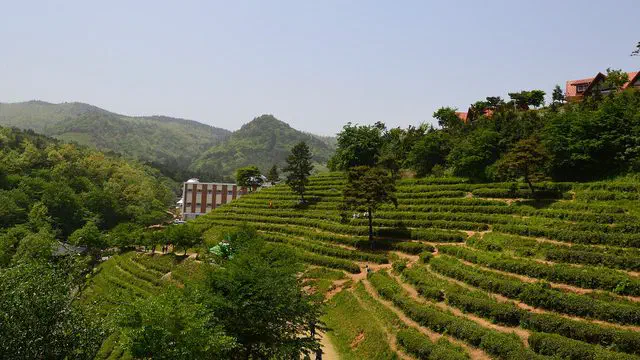
Boseong's tea fields are flat and mechanized. Hadong's grow wild on mountain slopes planted in 828 CE. That difference is why the two taste nothing alike.
Some Korean liquor ships to your hotel and some cannot be sold online at all. The line is a legal category about who brewed it, not how it tastes.
The best Korean souvenirs are the hardest to order from home. What to buy in person, what genuinely ships worldwide, and the refund threshold that changed.