Korean Ginseng: What Customs Actually Lets You Take Home
Last verified: 2026-08-16. Rules and prices change — always confirm on the official site before you travel.
This page contains affiliate links. If you book through them we may earn a commission at no extra cost to you. It never changes what we recommend.
Ginseng is one of the few Korean souvenirs people worry about before they even buy it — is it legal to take home, does it need a permit, will customs confiscate it. Most of that worry is aimed at the wrong plant. Korean ginseng is not the CITES-restricted kind. The real question is not whether you can bring ginseng home. It is which form of it you buy, because that decides how easily it travels.
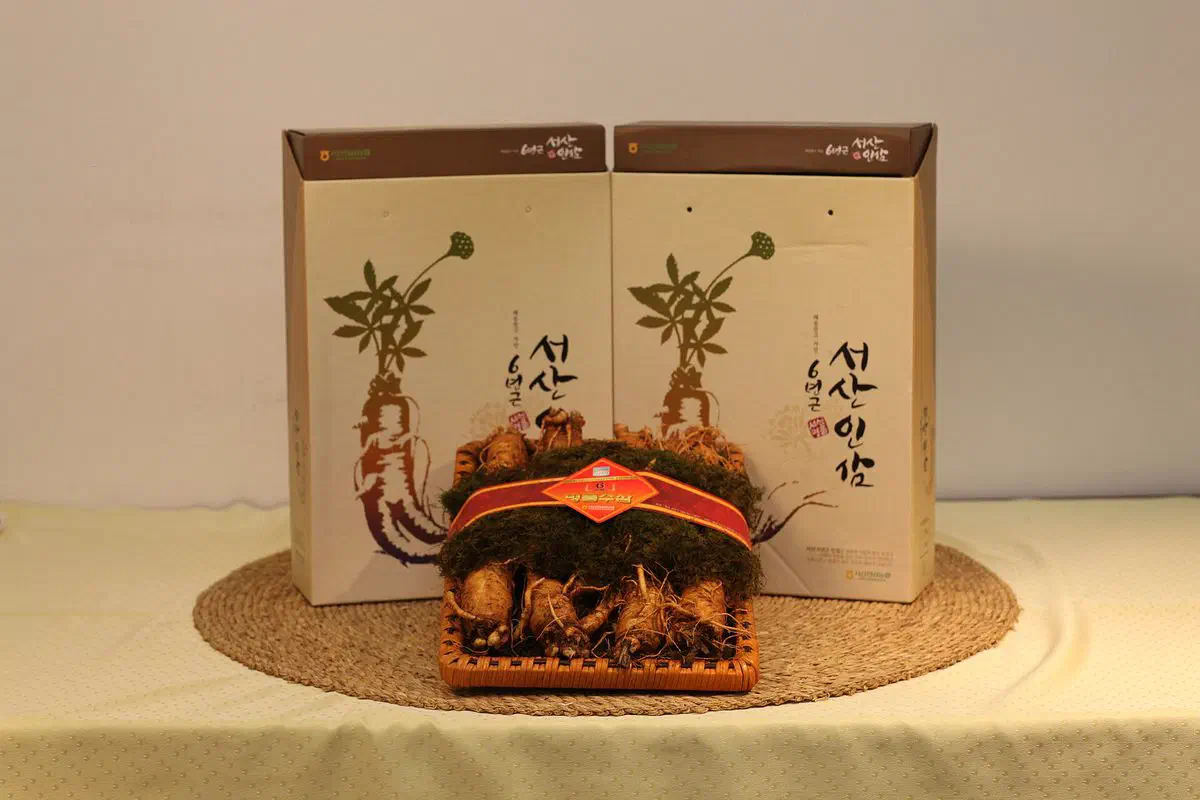
Three forms, one root
Korean ginseng comes as three products depending on when growers harvest it and what happens to it afterward:
- 수삼 Fresh ginseng
- Harvested under about 4 years, sold unprocessed, the most perishable form
- 백삼 White ginseng
- Harvested around 4–6 years, dried whole
- 홍삼 Red ginseng
- Harvested at 6 years or older, steamed then dried — the form behind most Korean ginseng brands
Six-year-old root is the recognized standard for red ginseng. Growers and buyers treat it as the point where the plant’s active compounds peak, and Korea’s red ginseng industry — led by Korea Ginseng Corporation, sold under the brand Cheong Kwan Jang (정관장) — builds its whole premium tier around that age.
Red ginseng gets graded again after that, by root quality. Cut grade and good grade are the ordinary commercial tiers. Earth grade (지) and heaven grade (천) sit above them, and heaven grade is genuinely rare — roughly one root in ten thousand qualifies. You will not stumble into heaven grade at an airport shop. Cut and good grade, sold as extract sachets, sliced root or candy, are what most travelers actually buy.
The CITES question, answered
CITES lists Panax ginseng only for its wild Russian Federation population. Korean-grown ginseng is cultivated, not wild-harvested. It comes from a different population entirely. No CITES permit applies to it. The plant people are usually thinking of is American ginseng (Panax quinquefolius). That species carries a global CITES Appendix II listing, because wild harvest pressure in North America is a real problem. Different plant, different rule — and mixing the two up is where most of the worry starts.
Fresh root and processed Korean ginseng travel through customs differently
This is the distinction that actually matters, and it is recent enough that a lot of advice online has not caught up.
Fresh ginseng root was barred from entering the United States. That changed in June 2024, when the US Department of Agriculture’s Animal and Plant Health Inspection Service authorized it. Specific conditions still apply. Fresh root is a live plant part, and agricultural inspection treats it that way.
Processed red ginseng is a different category. Extract, tea bags, candy and sliced dried root are not fresh plant material, and commercially packaged goods with a printed ingredient list clear customs far more easily almost everywhere, the US included. The EU’s import rules follow the same logic in reverse: raw root and other plant material need a phytosanitary certificate, while sealed, labeled processed products do not carry that requirement.
- Fresh root (수삼)
- Fresh plant material — the customs-complicated form, only recently allowed into the US, and conditions still apply
- Red ginseng extract, tea, candy
- Processed, commercially packaged — travels far more easily
- Rule of thumb
- If it looks like a root, expect questions. If it looks like a supplement, it mostly does not
On the Korean side, exported plants and plant products — ginseng included — generally need a phytosanitary certificate from Korea’s own Animal and Plant Quarantine Agency, checked against whatever the destination country requires. That certification work is exactly what a legitimate retailer has already done by the time a sealed box of red ginseng extract reaches a shop shelf — one more reason buying from a recognizable brand beats buying raw root from an unverified stall.
None of this is a substitute for checking your own country’s rules before you fly home — agricultural import law is set by the destination, not by Korea, and it varies by country in ways this page cannot cover one by one.
What to actually buy
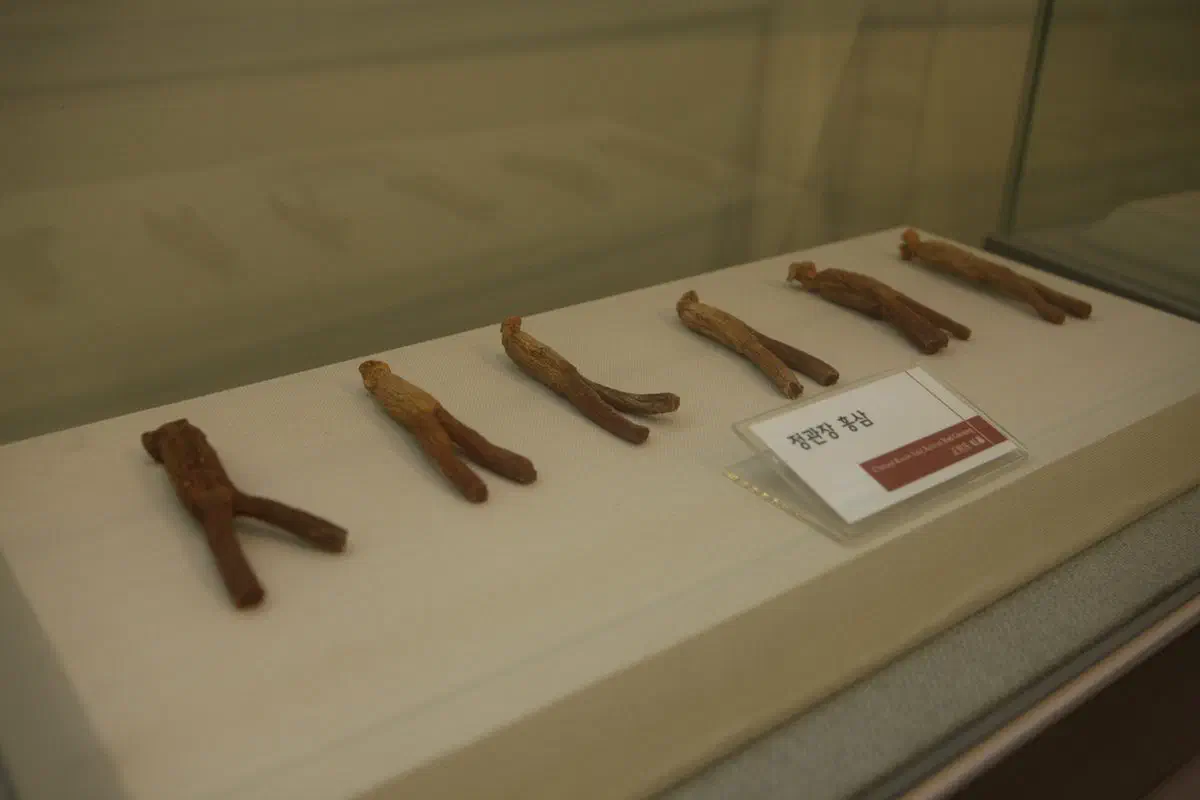
For a souvenir you actually want to travel with, skip the whole fresh root question and buy processed red ginseng — extract sachets, tea or candy from a recognizable brand. Cheong Kwan Jang is the checkable name here, the same role Osulloc plays for green tea: a real company you can match packaging against, not an anonymous “traditional” claim at a market stall. It travels the way our shipping guide says Korean tea does — dried, sealed and light, nothing for customs to puzzle over.
Korean red ginseng on Etsy carries extract and tea from Korea-based sellers, mixed in with ginseng-adjacent goods like soap — read the listing before assuming a “ginseng” product actually contains it. Airport duty-free and any KGC or Cheong Kwan Jang storefront in Seoul are the direct route if you would rather see the packaging in person before you commit.
A Korean eSIM is worth sorting out before you go looking for a specific storefront — Naver Map is what actually gets you to a Cheong Kwan Jang shop by its Korean name.
Quick answers
Is Korean ginseng restricted by CITES?
Can I bring fresh ginseng root into the United States?
What's the difference between fresh, white, and red ginseng?
What form of Korean ginseng is easiest to travel with?
Checked 16 August 2026. Ginseng forms and the six-year red ginseng standard from Korean ginseng-industry sources and Korea Ginseng Corporation’s own product information. Red ginseng grading tiers, including the rarity of heaven grade, from Korean ginseng-industry reporting. CITES status of Panax ginseng (Russian Federation wild population only) versus American ginseng (Panax quinquefolius, globally Appendix II) from CITES’ own listing documentation. US fresh ginseng root authorization and its June 2024 date from the Federal Register, USDA APHIS. EU phytosanitary requirements for plant material from food-industry regulatory reporting. This is not legal advice — import rules are set by the destination country and change; confirm with your own country’s customs authority before you travel.