Where to Buy Korean Souvenirs in Seoul: Four Districts
Last verified: 2026-09-25. Rules and prices change — always confirm on the official site before you travel.
This page contains affiliate links. If you book through them we may earn a commission at no extra cost to you. It never changes what we recommend.
Search Naver for Seoul’s best traditional-liquor bottle shops and the addresses that come back are Gaepo-dong, Junggok-dong, Seongsu — residential neighborhoods most visitors never walk through. Not Insadong. Not Myeongdong. The shopping districts every guidebook sends you to were never built to sell everything; each one grew up around a specific trade, and it still mostly only sells that trade. Where to buy Korean souvenirs in Seoul genuinely depends on which souvenir you mean — knowing which district is which saves a wasted afternoon.
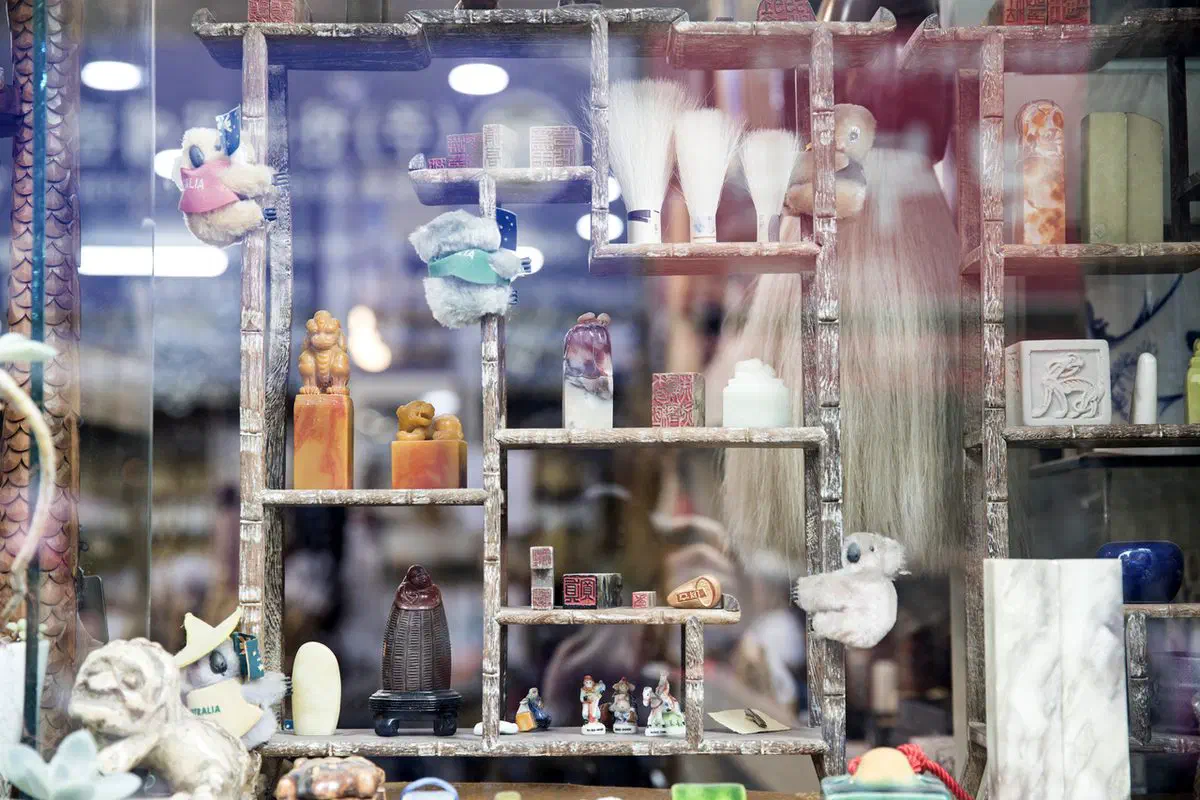
Insadong and Ssamziegil: crafts, by the shelf-full
Insadong is Seoul’s craft-shopping street, and the density shows it — well over a hundred ceramics and craft shops line the main street and the alleys off it. Ssamziegil, the spiral-ramp mall halfway down, is the curated, easier version of the same thing: fewer shops, but pre-selected, with less alley-wandering required.
It is also where the workshops are. Insadong and Ssamziegil are the two places in Seoul where a craft workshop genuinely takes walk-ins — everywhere else, book a day ahead. If you would rather buy the finished object than make one, two named Insadong retailers — the Korea Craft Center and insadong27.com — stock hanji goods with an actual price shelf you can check before you go. The same street is also the place buying advice for celadon and mother-of-pearl inlay keeps coming back to — both worth reading before you’re standing in front of a shop window deciding between the small piece and the impressive one.
Gwangjang Market: for textiles, not trinkets
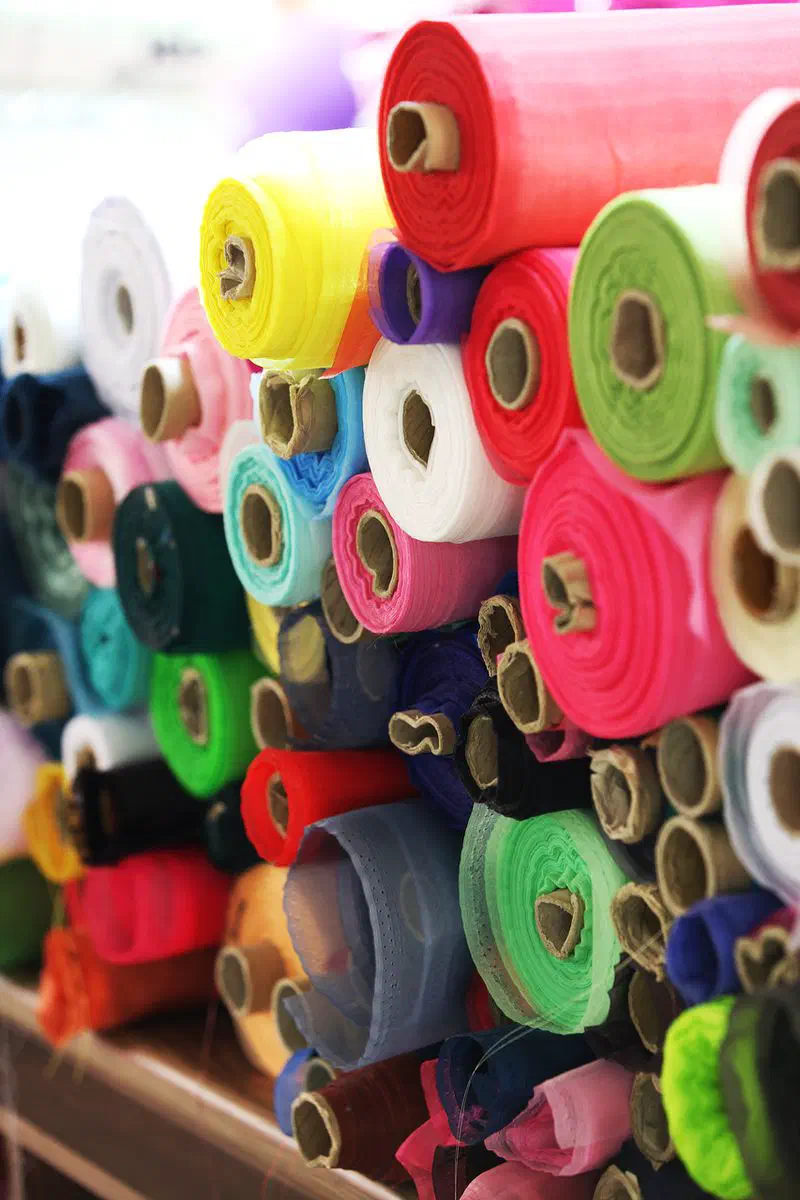
Gwangjang started as a fabric and textile market, not a souvenir stop, and that history is still the whole reason to go. Its bedding stalls now report that roughly 70% of their customers are foreign visitors, mostly from Taiwan, Hong Kong, Singapore and Thailand, drawn by a straightforward price gap — equivalent bedding runs about three times as much back home. It runs every day, unlike the rotating oiljang five-day markets elsewhere in the country. Go for vacuum-packed comforters and fabric, not ceramics or lacquerware — that’s a different market entirely.
Myeongdong: glasses and cosmetics, not crafts
Myeongdong is the neighborhood closest to most visitors’ hotels, which makes it tempting to treat as a one-stop souvenir street. It isn’t one. It’s Seoul’s tourist-facing optical and cosmetics district — same-day glasses is the specific reason it’s worth the trip, on the strength of a 30-minute walk-in prescription process most visitors don’t expect Korea to offer. For crafts, ceramics or traditional liquor, Myeongdong is mostly a detour, not a destination.
The liquor shops aren’t in any of these
This is the part that surprises people who assume Seoul’s famous shopping streets sell a bit of everything: Korea’s best traditional-liquor shops cluster in Gaepo-dong, Junggok-dong, Oksu-dong and Seongsu — ordinary residential districts, not tourist streets. They sell to people buying a bottle on the way home from the subway, which means rent near a station in a neighborhood rather than frontage on Insadong or Myeongdong. None is more than half an hour from the center by subway, but it is a deliberate trip, not something you stumble into browsing Insadong.
The one stop that isn’t a neighborhood
The National Museum of Korea’s own shop, branded MU:DS (뮷즈), sells pieces reinterpreted from the museum’s own collection — genuinely good, and free to enter since the museum itself is free. It has no useful online storefront for overseas buyers, though, so treat it as buy-it-now-or-not-at-all: if something in the case catches your eye, that’s the moment to buy it, not a note for later.
- Insadong / Ssamziegil
- Crafts, ceramics, hanji, walk-in workshops
- Gwangjang Market
- Bedding and textiles, not ceramics
- Myeongdong
- Glasses and cosmetics, not crafts
- National Museum of Korea
- MU:DS shop — in person only, no useful overseas shipping
If you’d rather not make the trip at all
Not everything requires standing in a shop. Najeon tumblers, minhwa prints and hanji goods all have real international sellers — our guide to what genuinely ships abroad covers which craft categories travel well and which don’t, so you can order after you’re home instead of carrying anything through security.
A Korean eSIM is worth having before any of this — pulling up a shop’s Korean name in Naver Map matters more in Insadong’s side alleys than almost anywhere else on a Seoul itinerary.
Quick answers
Where in Seoul should I go for traditional crafts and ceramics?
Is Myeongdong good for buying Korean crafts?
Why can't I find good Korean traditional-liquor shops in Insadong or Myeongdong?
Can I buy from the National Museum of Korea's gift shop if I'm not visiting in person?
Checked 25 September 2026. Map coordinates are from OpenStreetMap. The Insadong shop-count figure, the Gwangjang Market bedding customer share, the Myeongdong optical-shop context and the traditional-liquor shop districts were each previously researched and sourced in this site’s own souvenirs-that-ship-abroad, Gwangjang Market bedding, buying glasses in Korea and Korean liquor shops in Seoul articles; see each for its original sourcing. This page adds no new claims beyond tying those four together by neighborhood.