Gyeongju in Three Days: The Station Isn't Where You Think
Last verified: 2026-08-24. Rules and prices change — always confirm on the official site before you travel.
This page contains affiliate links. If you book through them we may earn a commission at no extra cost to you. It never changes what we recommend.
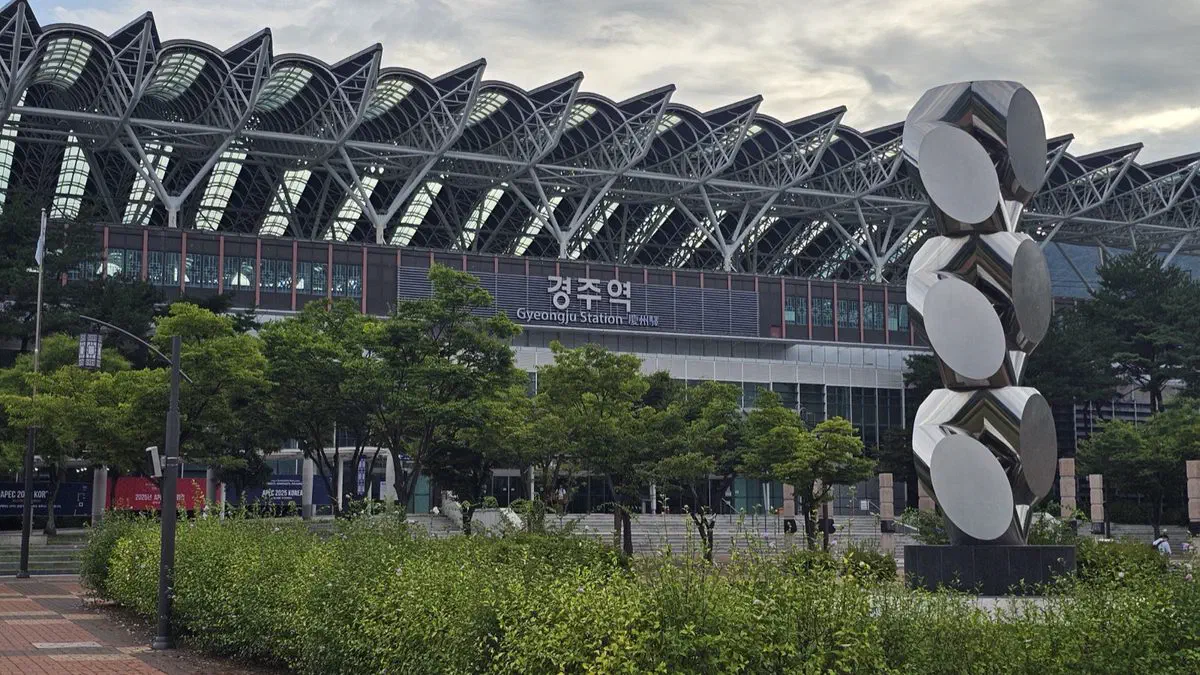
Gyeongju was the capital of Silla for close to a thousand years, and we just spent three days there as a family — enough to cover the historic core on foot, drive out to the coast for an afternoon, and still not rush any of it. The part that trips people up before they even arrive is not the sights. It is finding out, after booking, that “Gyeongju Station” is not in Gyeongju’s downtown at all.
The station trap
Until December 2021, Gyeongju had two train stations: an in-town stop for regular trains, and “Singyeongju” (New Gyeongju) out on the KTX line. The in-town station closed. In February 2023 Singyeongju was officially renamed “Gyeongju Station,” and it is now the only one. We felt this ourselves leaving on day three — the taxi from downtown to the station took a real 18 minutes, not the “you’re basically there” a same-city name implies. Budget the transfer both ways.
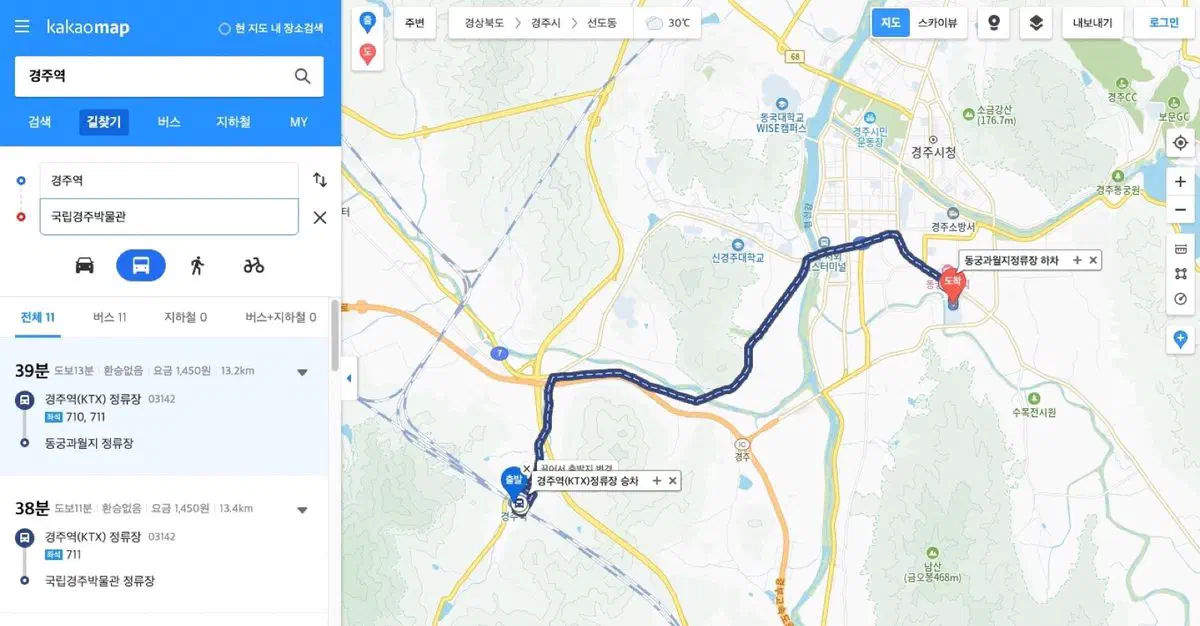
Straight from the station, the fastest public transit option is a direct bus, no transfer — route 711, about 38 minutes, ₩1,450. See the live route on Kakao Map; other bus combinations run 36 to 46 minutes but need a transfer, which isn’t worth it to save two minutes.
Three days in Gyeongju: day one, the museum then Wolji after dark
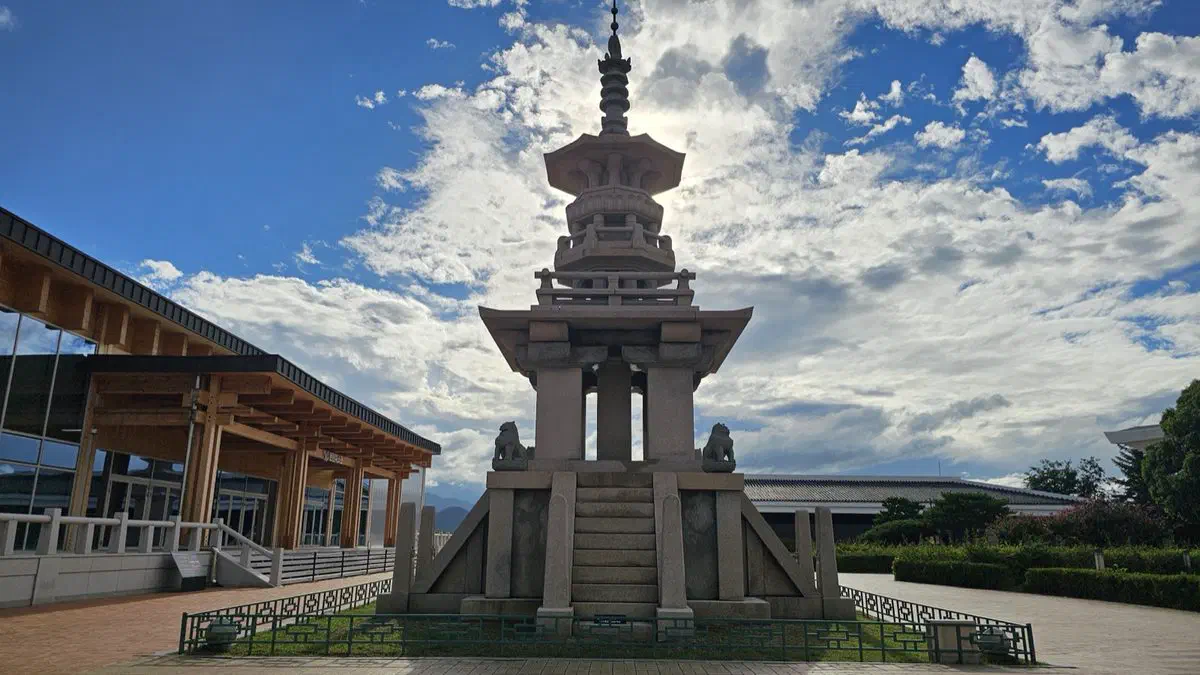
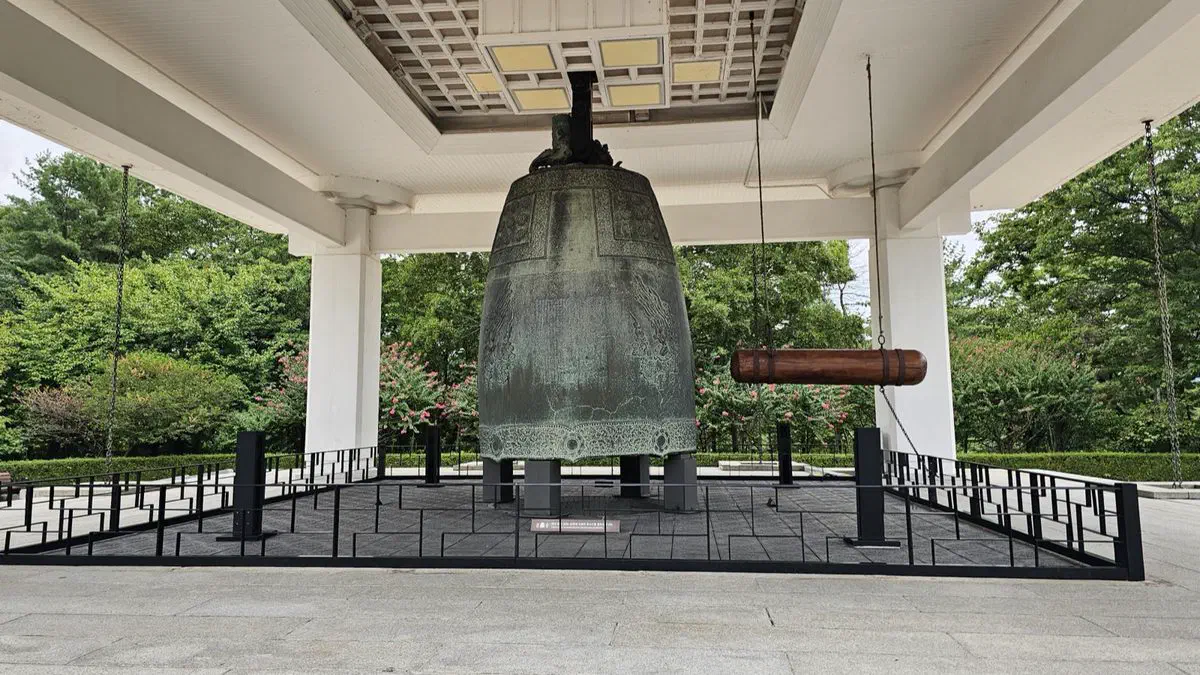
We started at the National Gyeongju Museum rather than the tomb park most itineraries open with, mainly to get our bearings before doing anything on foot in the heat. It works well as a first stop: the stone pagodas and lantern pieces scattered across the grounds are originals pulled from sites all over the region, so you get a preview of what you are about to walk around to for the next two days.
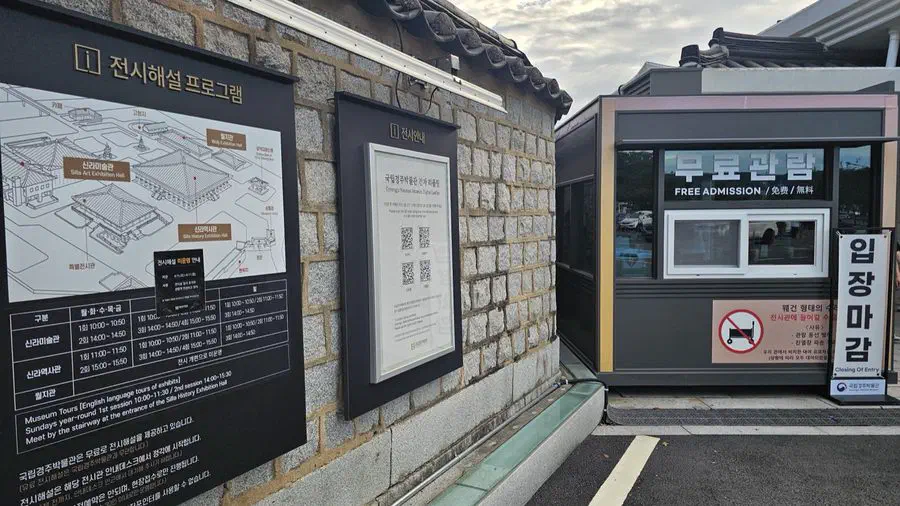
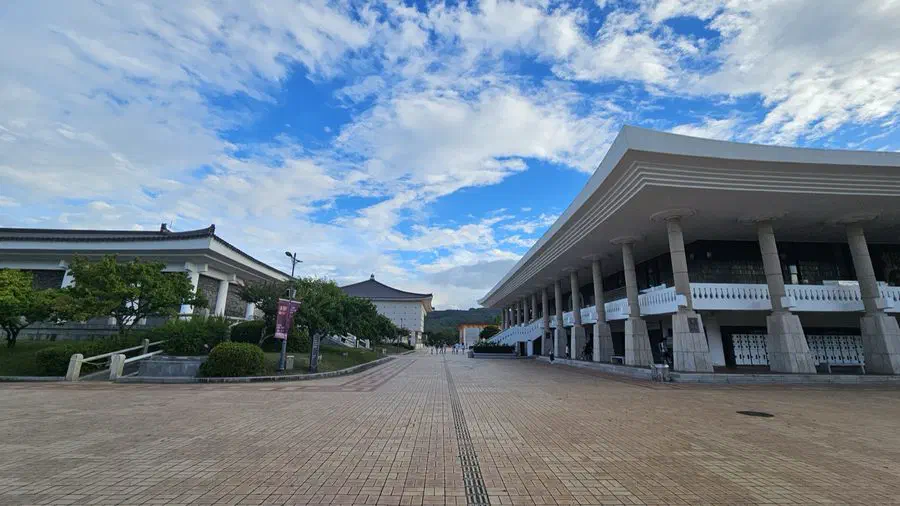
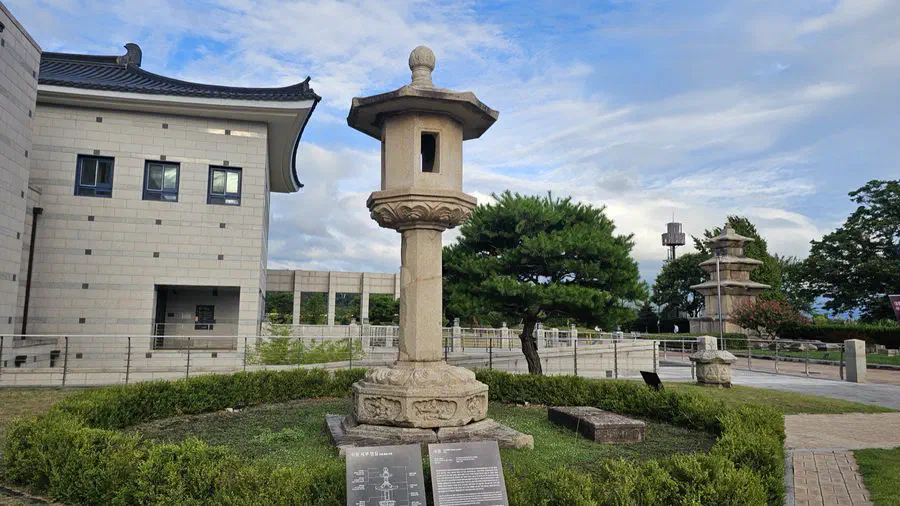
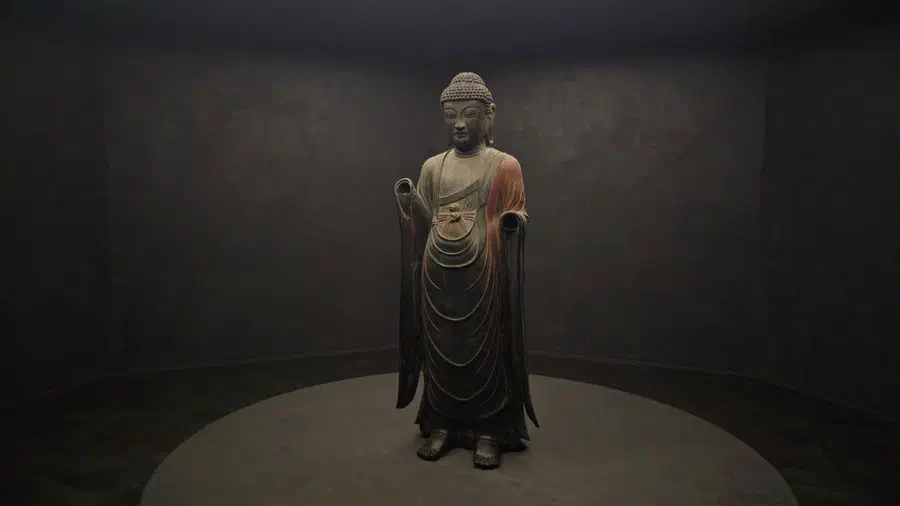
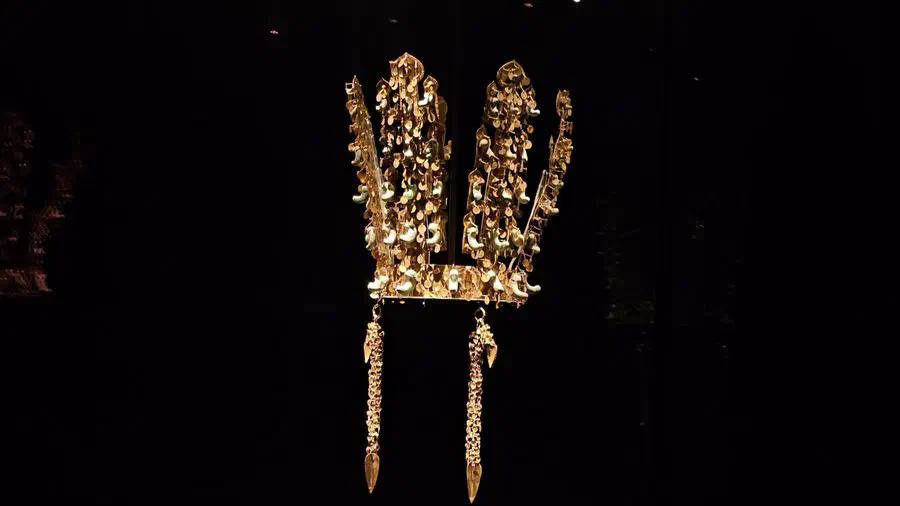
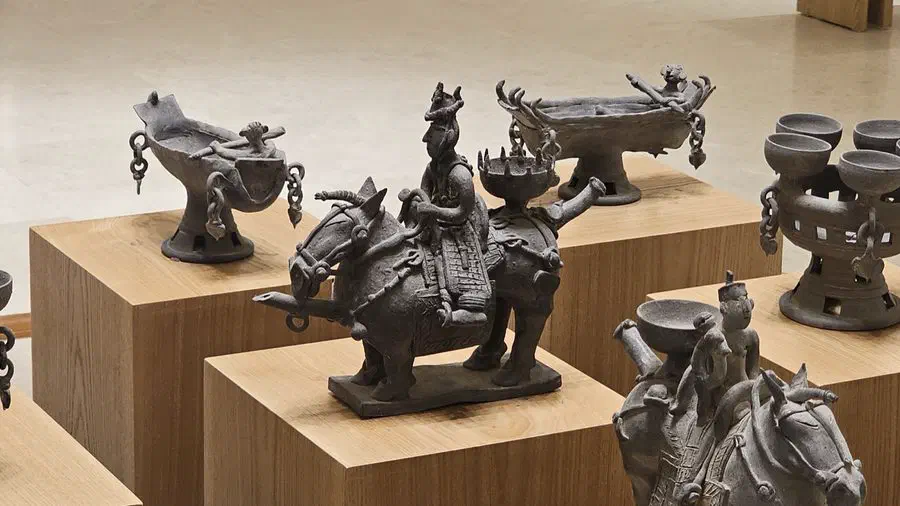
Photos: Ilsang, Ilsang — Everyday Korea, unposed
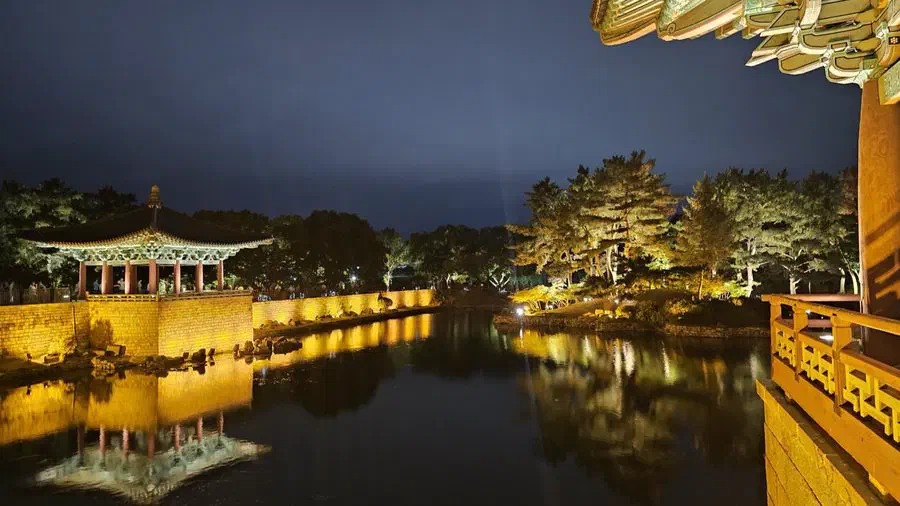
We deliberately saved Donggung Palace and Wolji Pond for evening. The reconstructed pavilions light up over the water after dark, and it is one of the more photographed nights in Korea for a reason none of the daytime photos explain — the reflection only works once the sky goes fully black behind the lit buildings. We got there a little before sunset to walk the grounds while there was still light, then stayed as the lights came up.
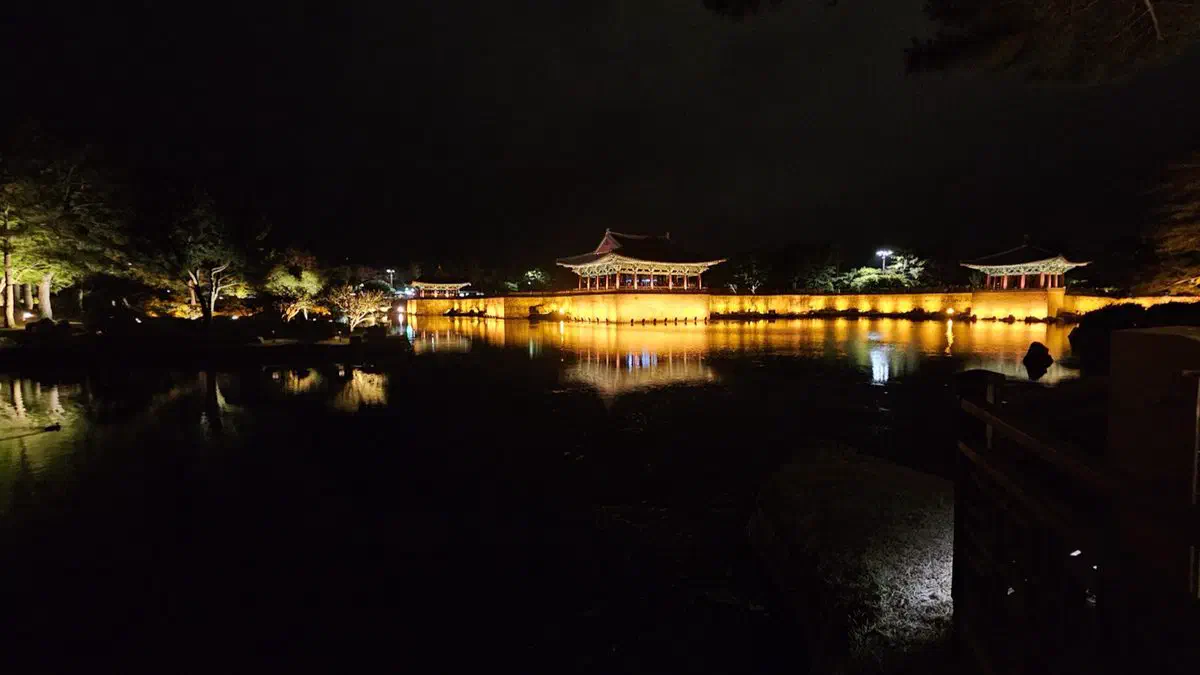
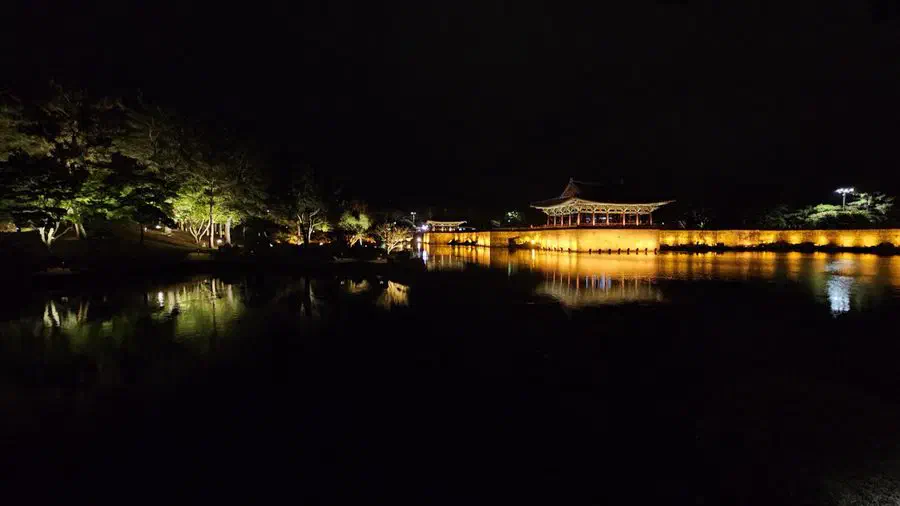
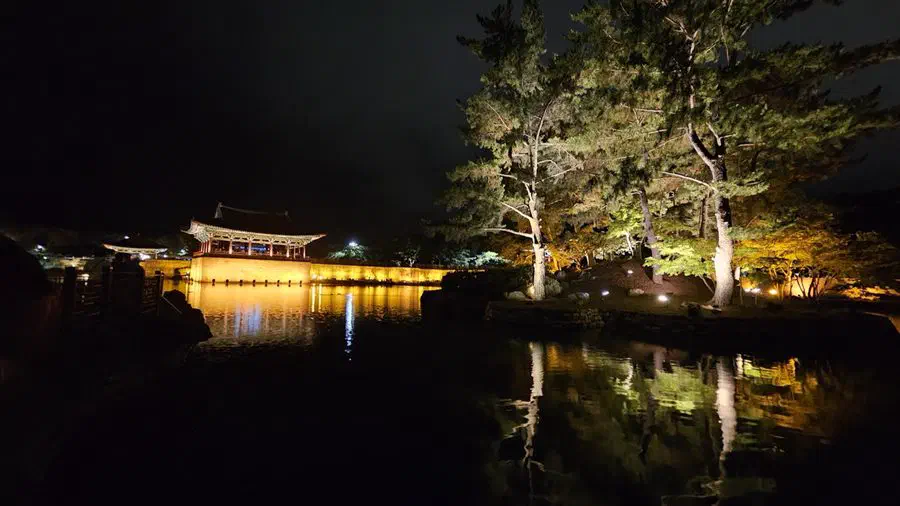
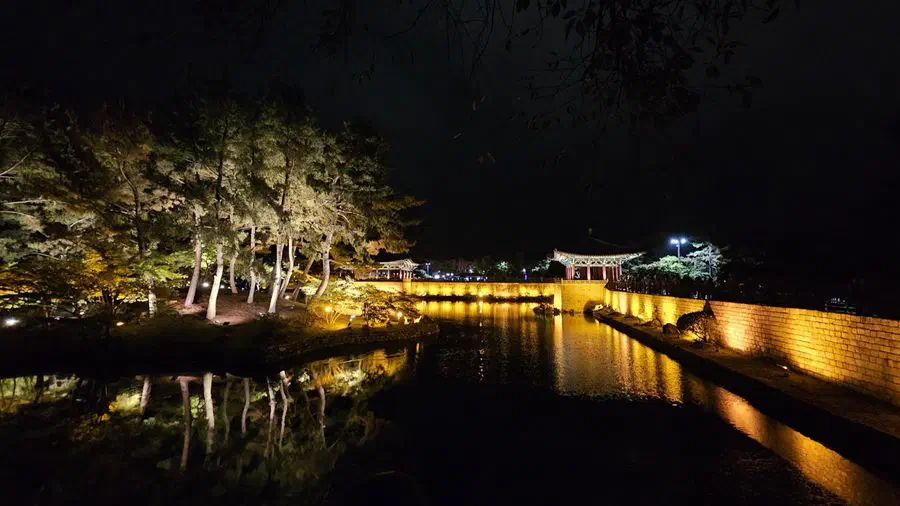
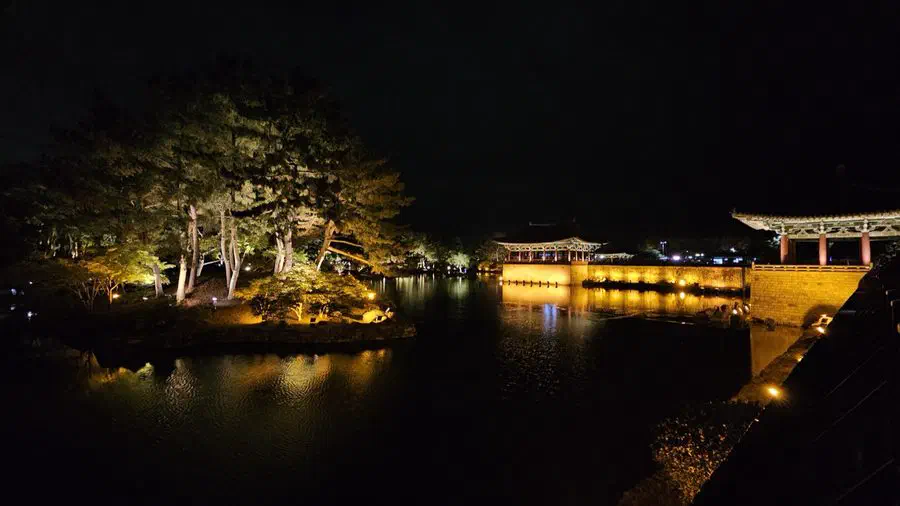
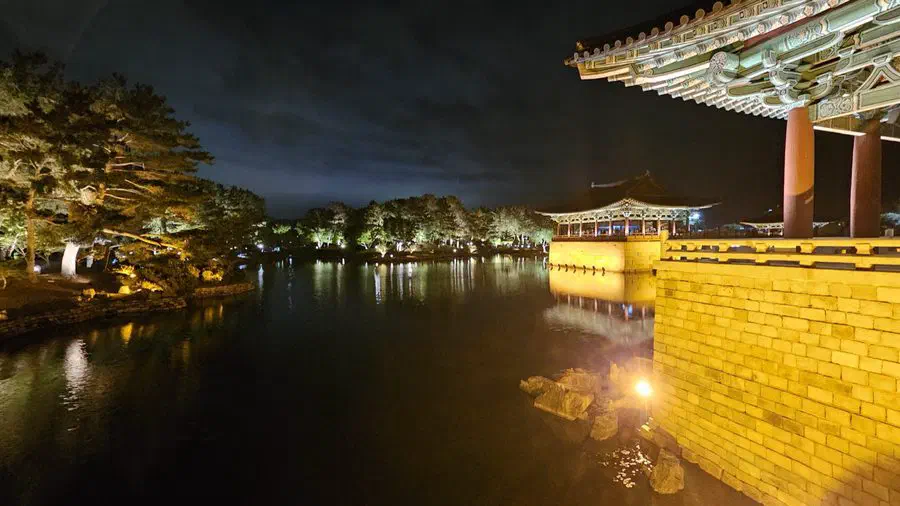
Photos: Ilsang, Ilsang — Everyday Korea, unposed
Day two — Bulguksa and Seokguram, then the coast nobody mentions
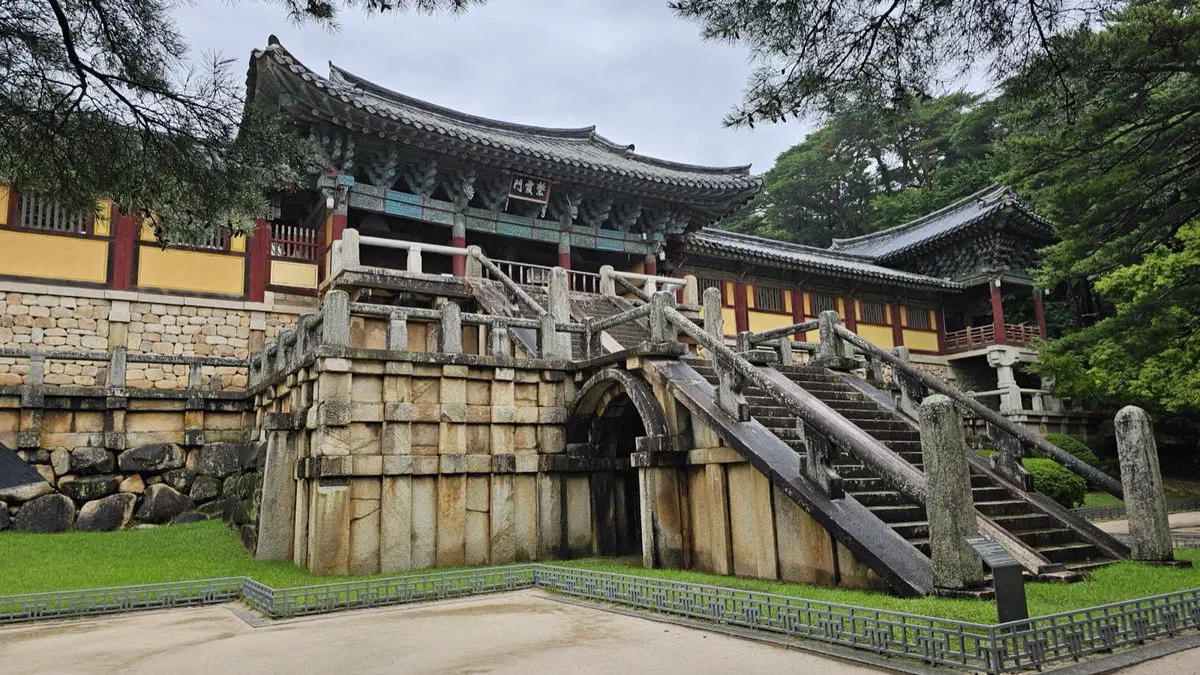
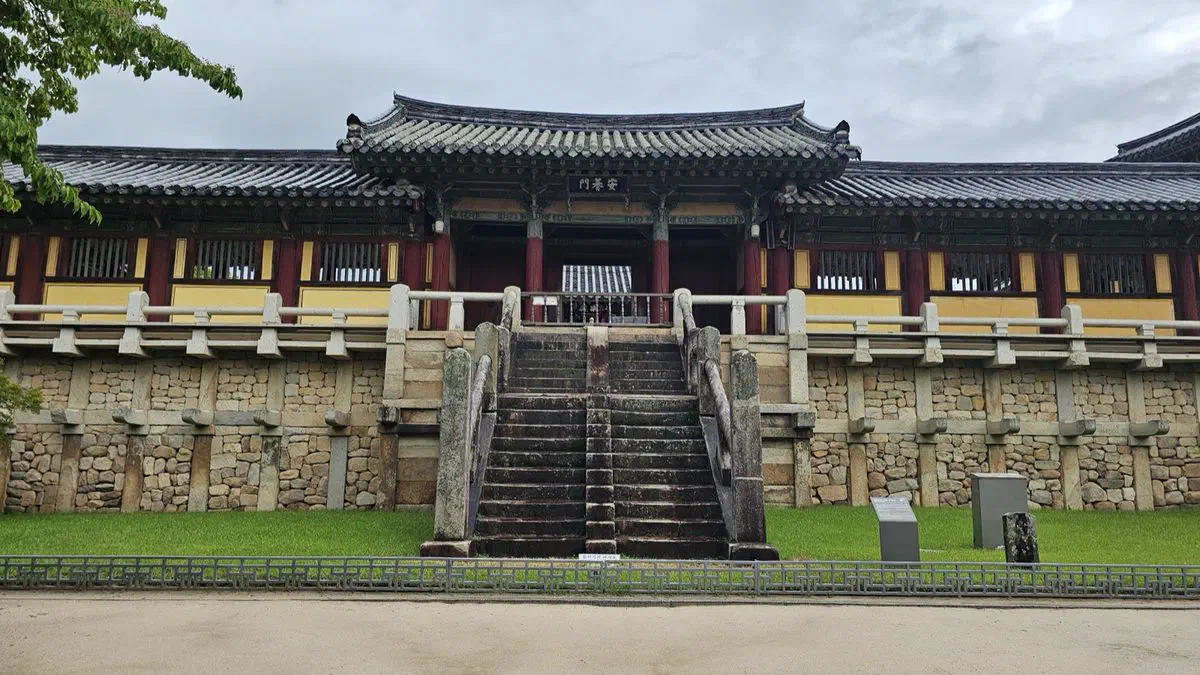
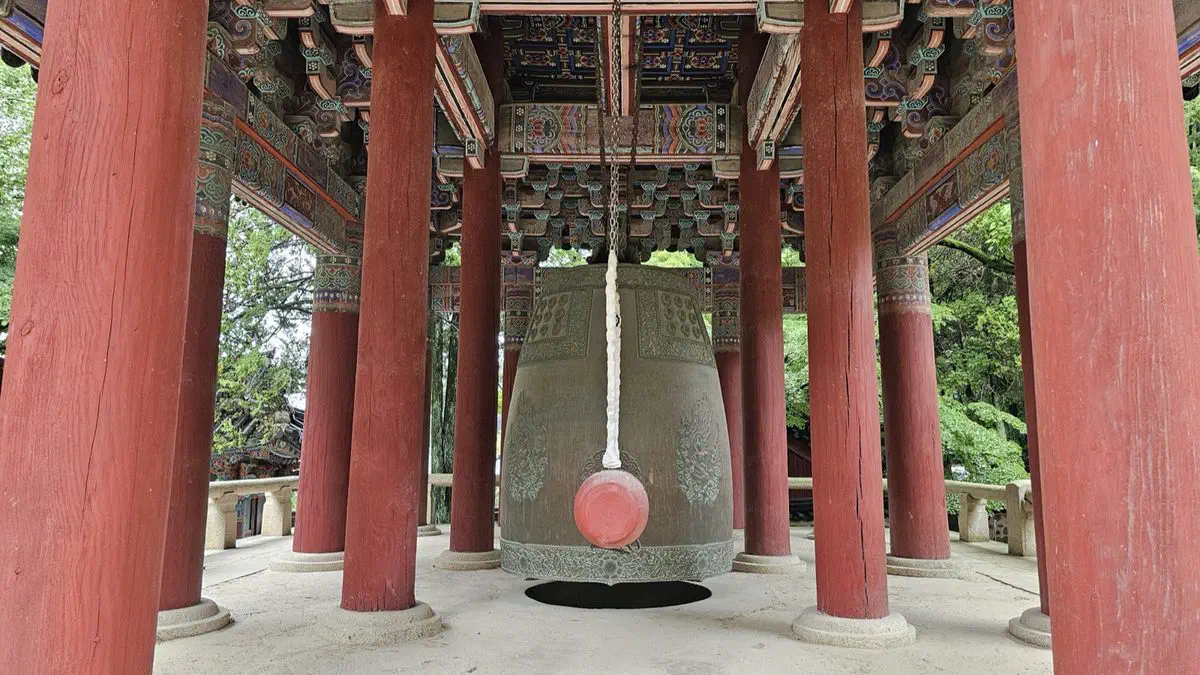
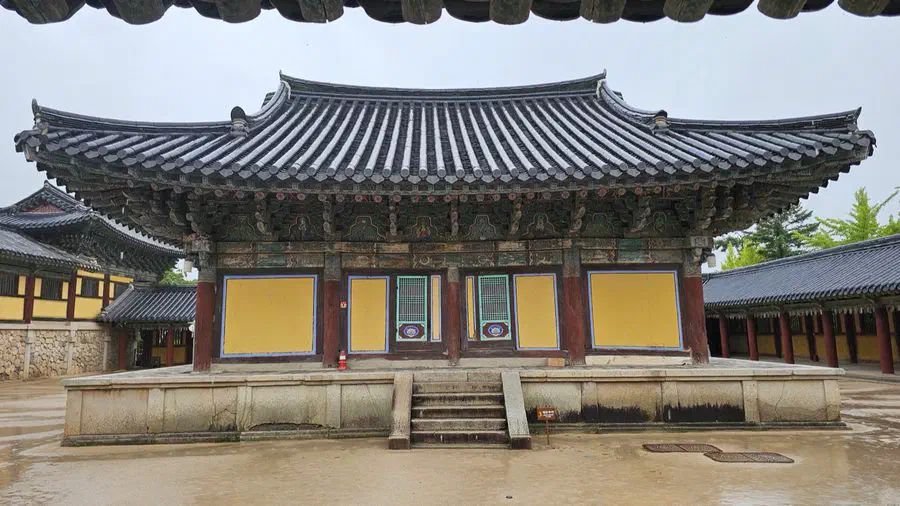
Bulguksa and Seokguram sit on Tohamsan, about 4 km apart, and both are free to enter — admission dropped in May 2023.
- Hours (summer)
- 09:00 – 18:00
- Hours (October)
- 09:00 – 17:30
- Hours (winter)
- 09:00 – 17:00
- Admission
- Free, both sites, since May 2023
- Between them
- A shuttle runs roughly hourly from opposite Bulguksa’s car park; by car it is about 15 minutes
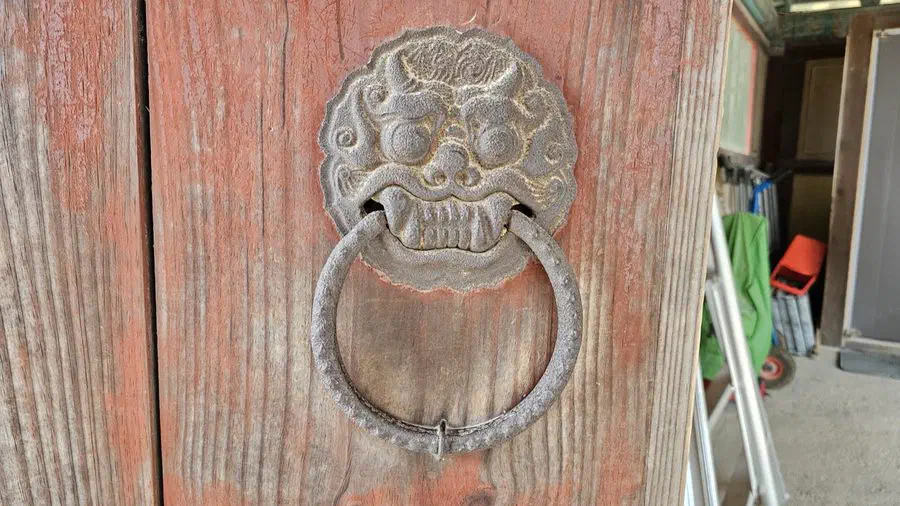
Bulguksa is the temple complex; Seokguram is the Buddha grotto further up the mountain. We did both in one morning and it filled the time comfortably — neither site rewards rushing, and the grotto itself is small enough that crowding at the entrance is the real bottleneck, not the walk up.
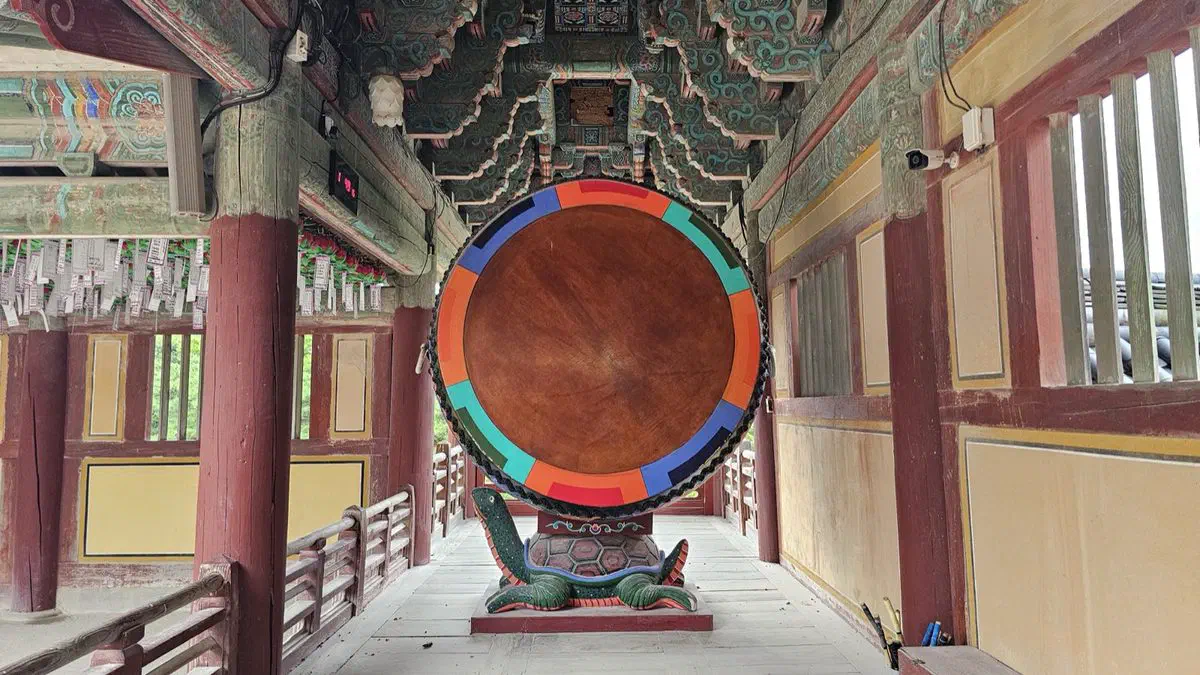
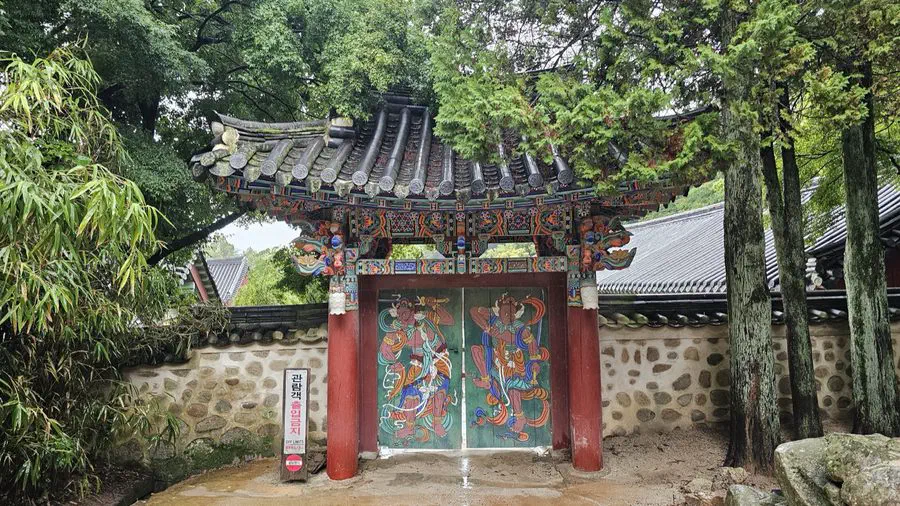
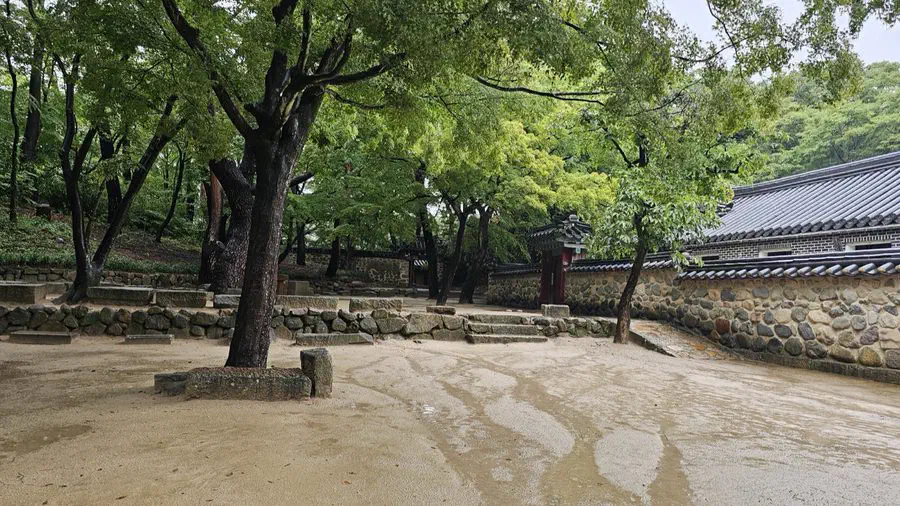
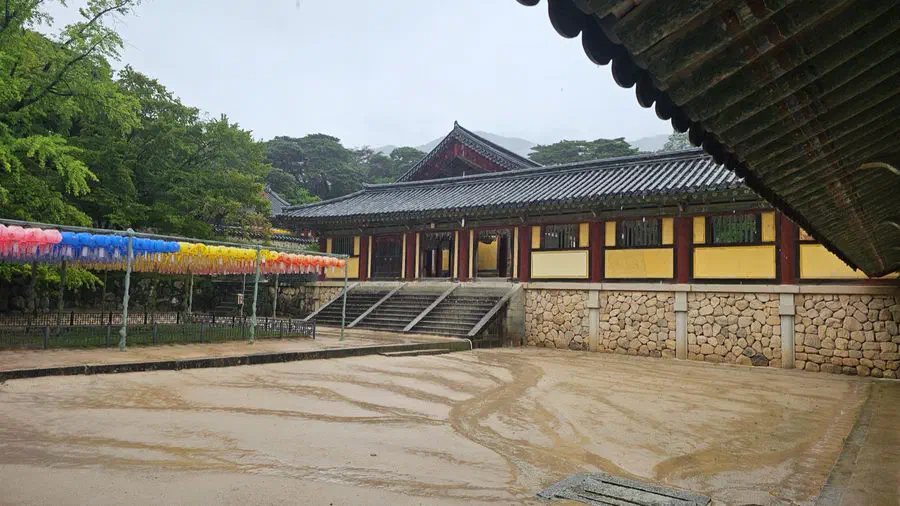
Photos: Ilsang, Ilsang — Everyday Korea, unposed
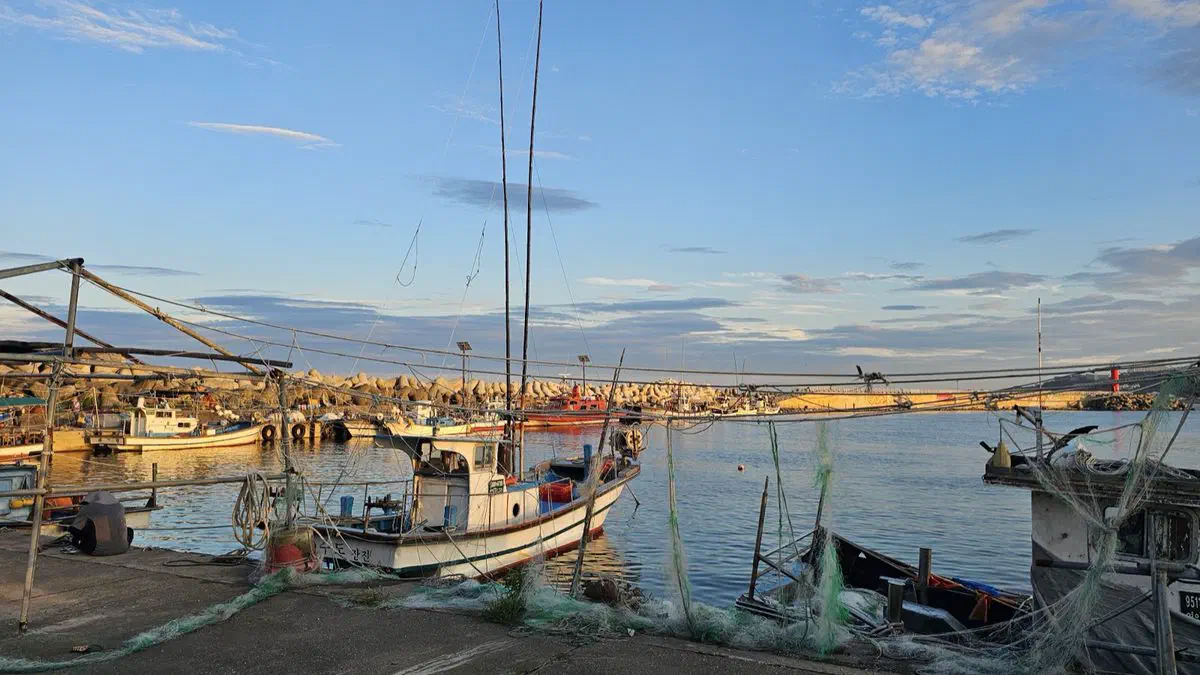
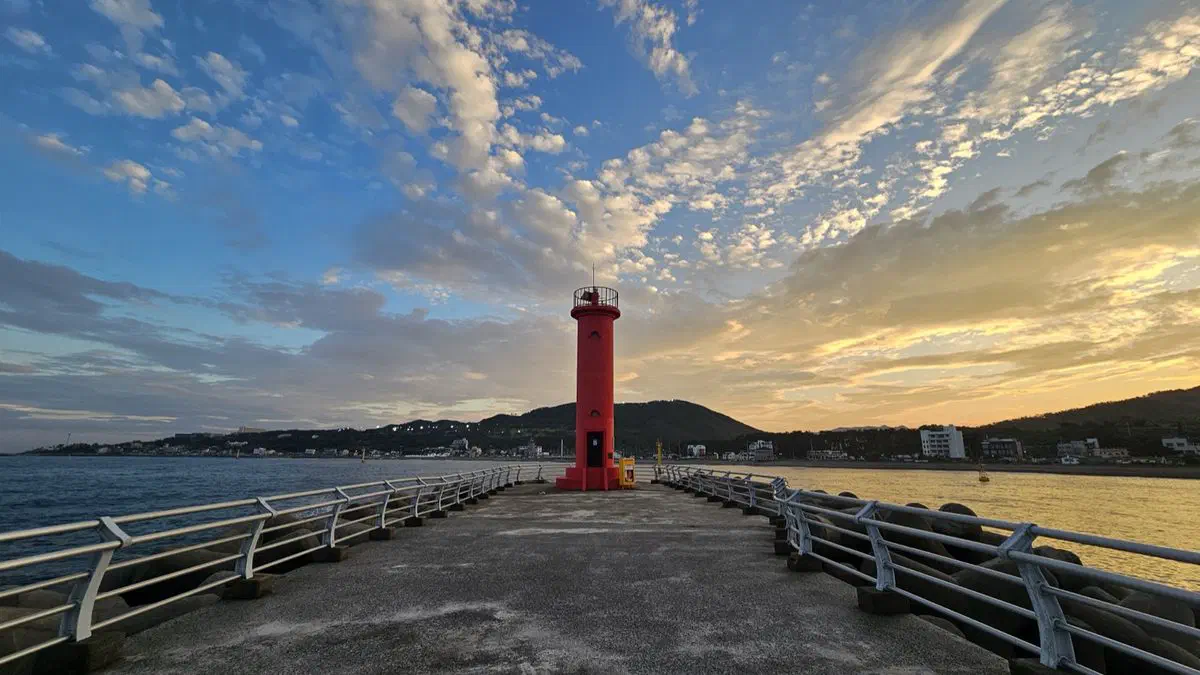
What most Gyeongju itineraries skip entirely is that the city also has a coastline — a short drive east past Bulguksa gets you to Jeonchon Harbor (전촌항), a working fishing harbor with a lighthouse and none of the tour-bus traffic of the historic core. We went for the afternoon after the temple visit, mostly to let the kids run somewhere that wasn’t a heritage site for an hour. It is a genuinely different Gyeongju from the one every guide describes — boats, breakwater cats, and a working harbor instead of another Silla ruin.
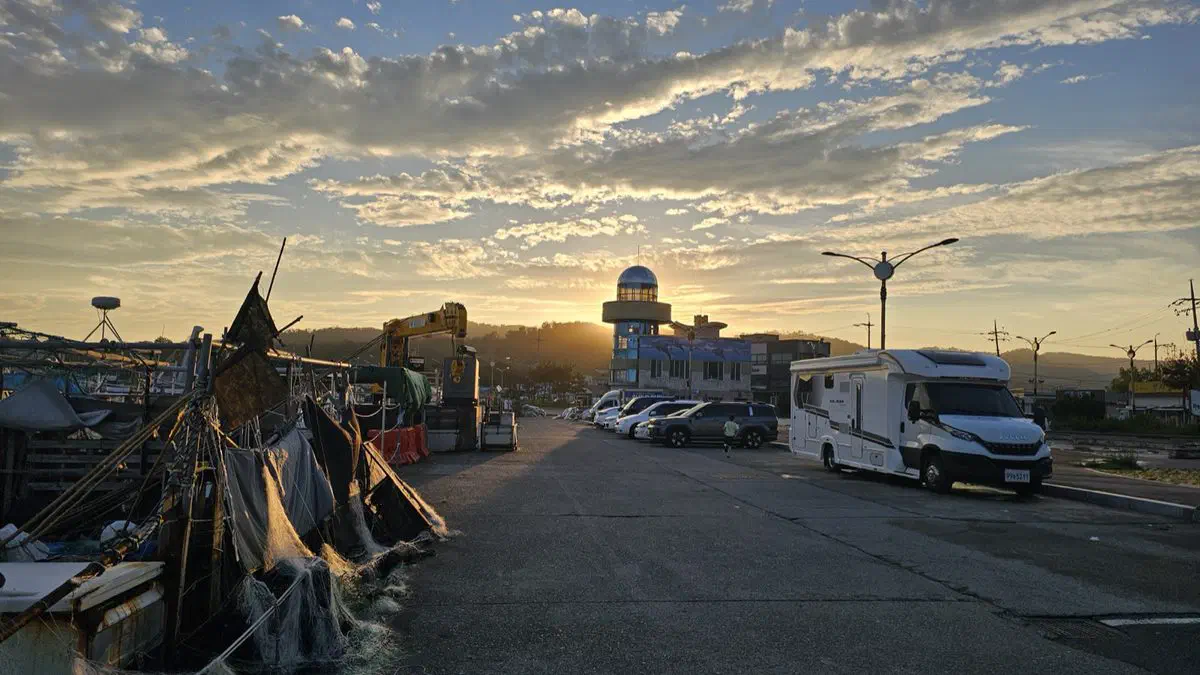
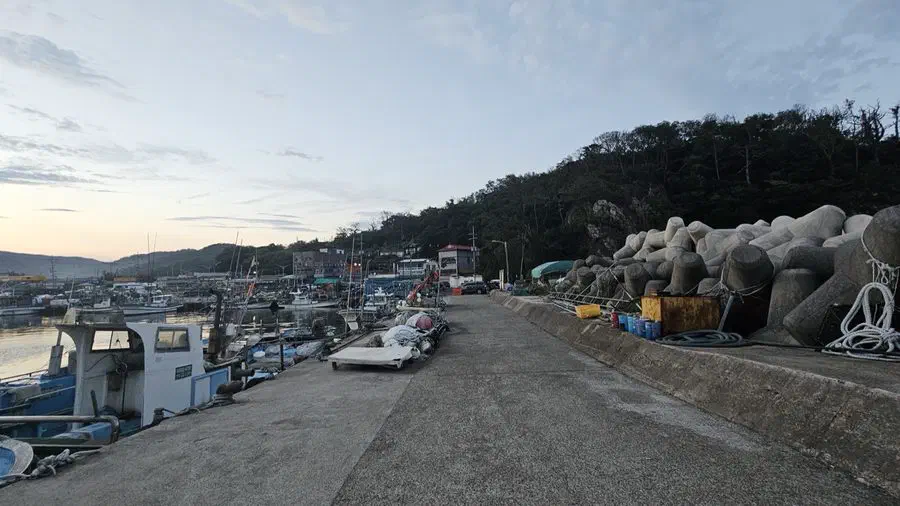
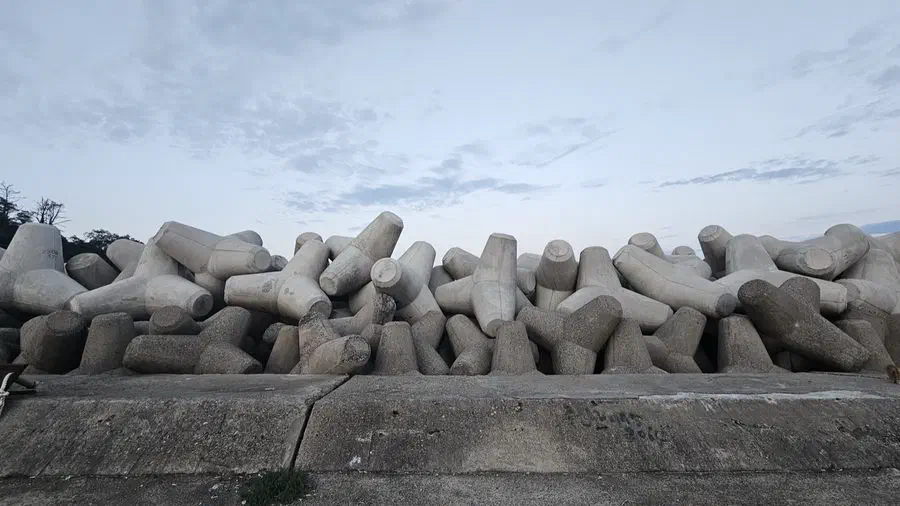
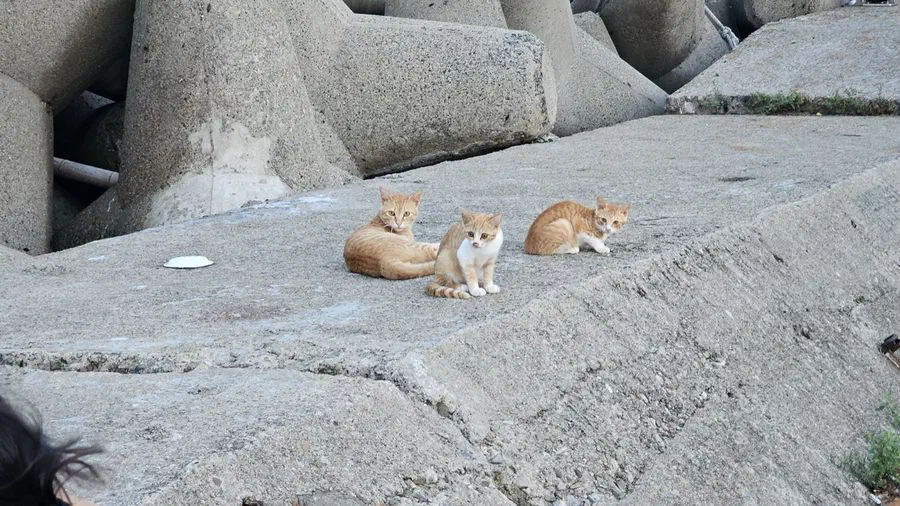
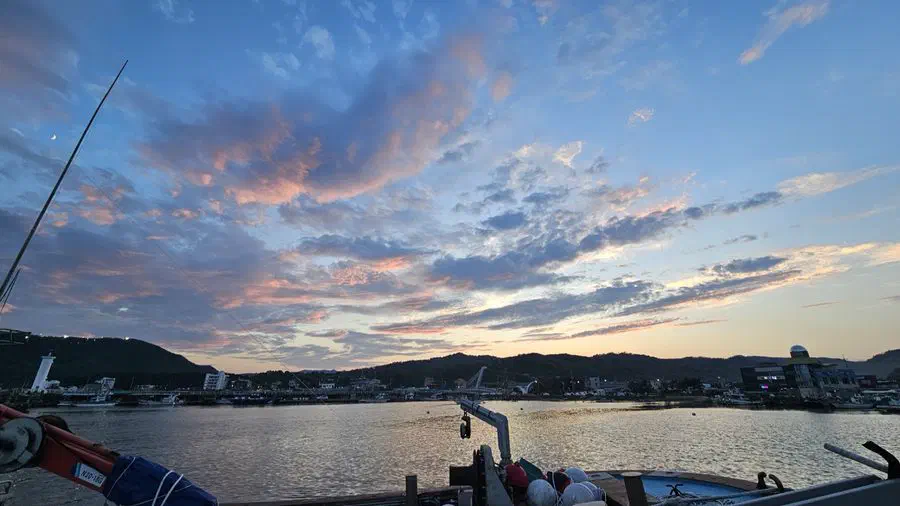
Photos: Ilsang, Ilsang — Everyday Korea, unposed
We also stopped briefly at Waryong Beach, further along the same coast — worth a look if you are already out that way, though it is a plain stretch of coastline rather than a destination on its own.
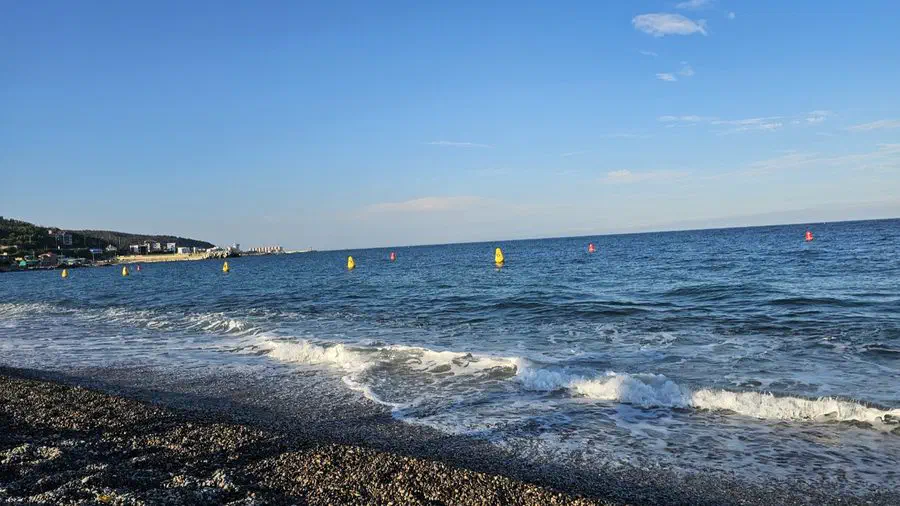
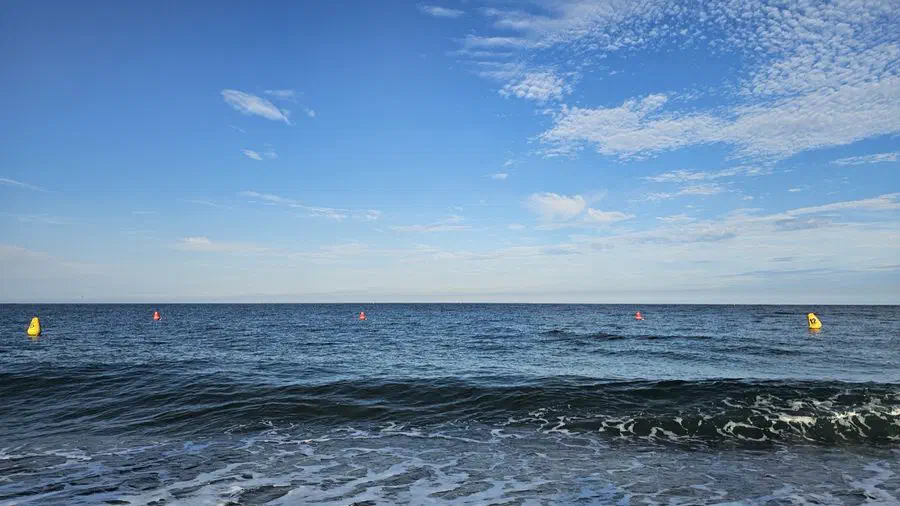
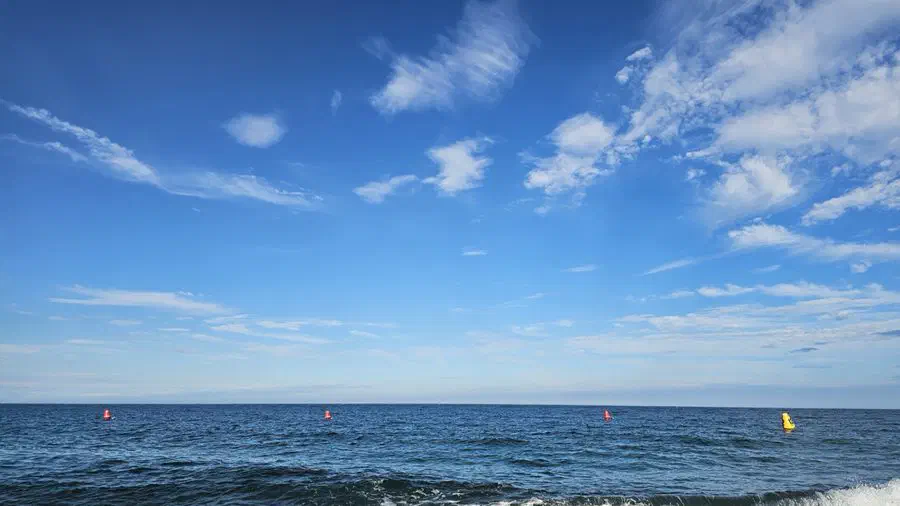
Photos: Ilsang, Ilsang — Everyday Korea, unposed
Day three — Kolon Hotel, then the tomb park on the electric shuttle
We stayed at Kolon Hotel Gyeongju, out toward Bomun Lake rather than downtown — it trades a short taxi ride in for a genuinely large hanok-eaved building with its own garden and an unexpected sculpture park scattered across the lawn.
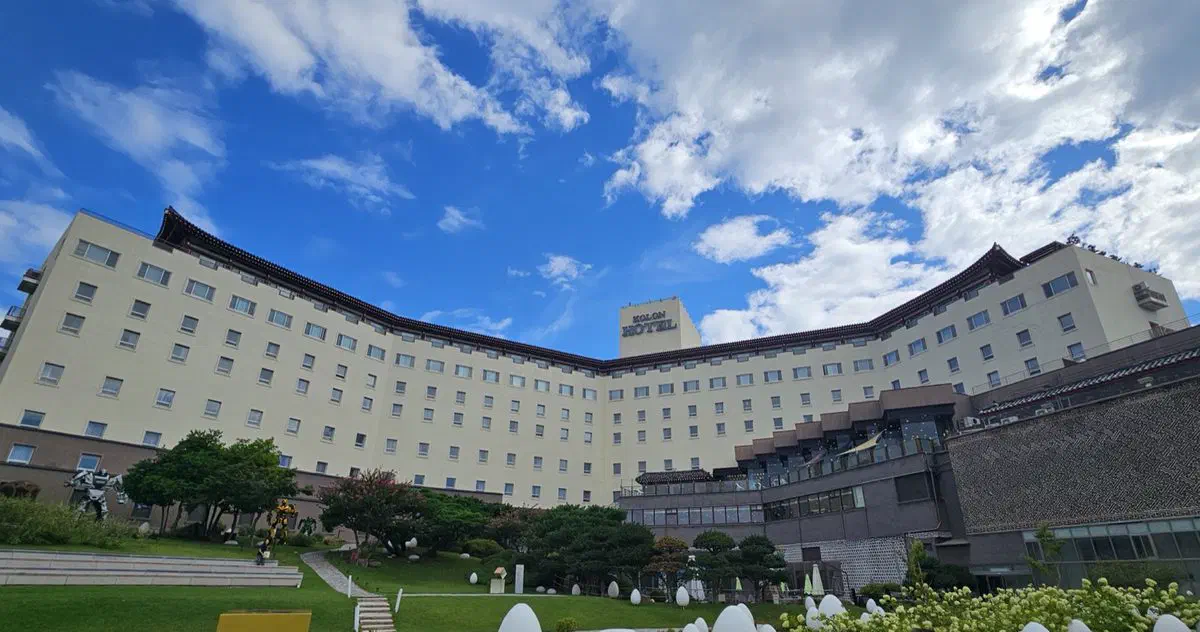
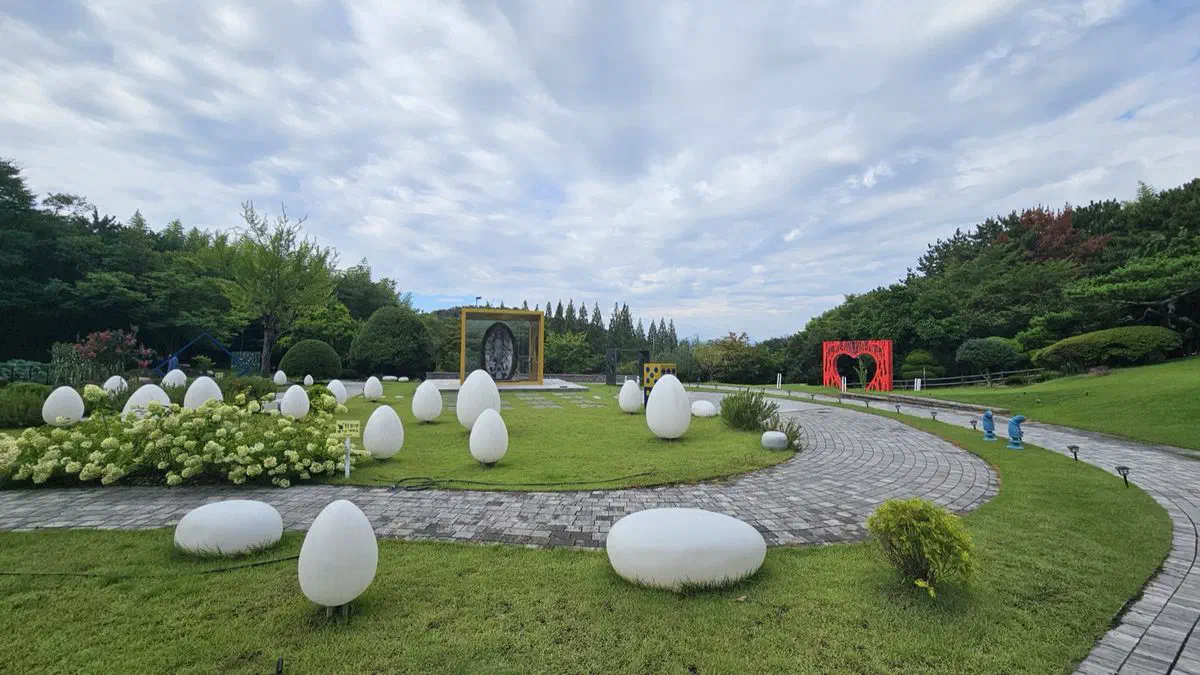
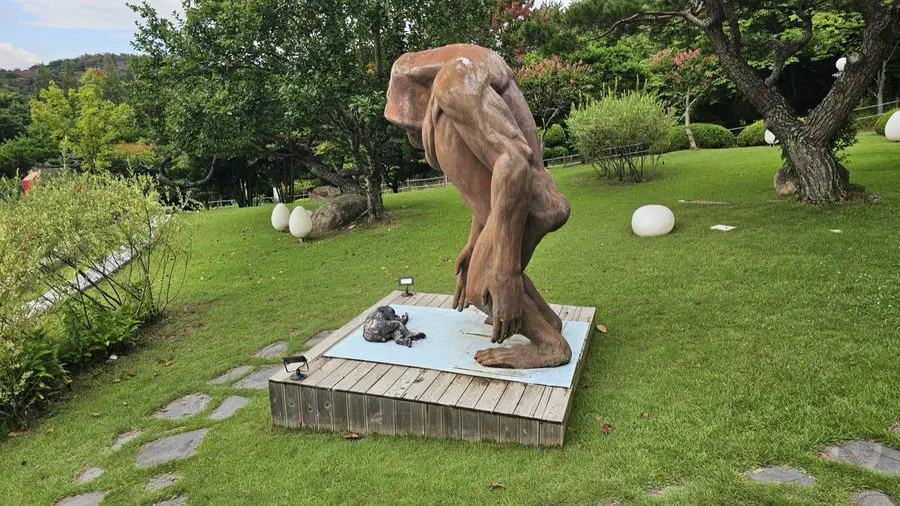
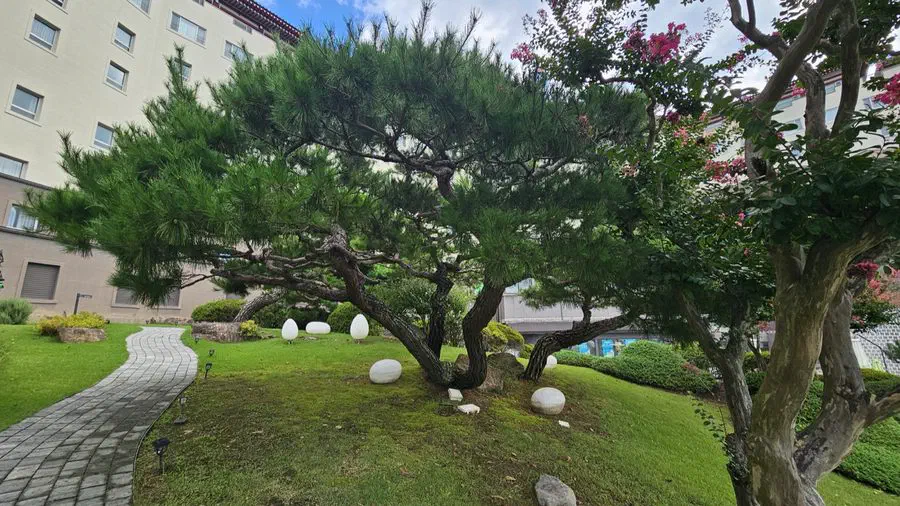
Photos: Ilsang, Ilsang — Everyday Korea, unposed
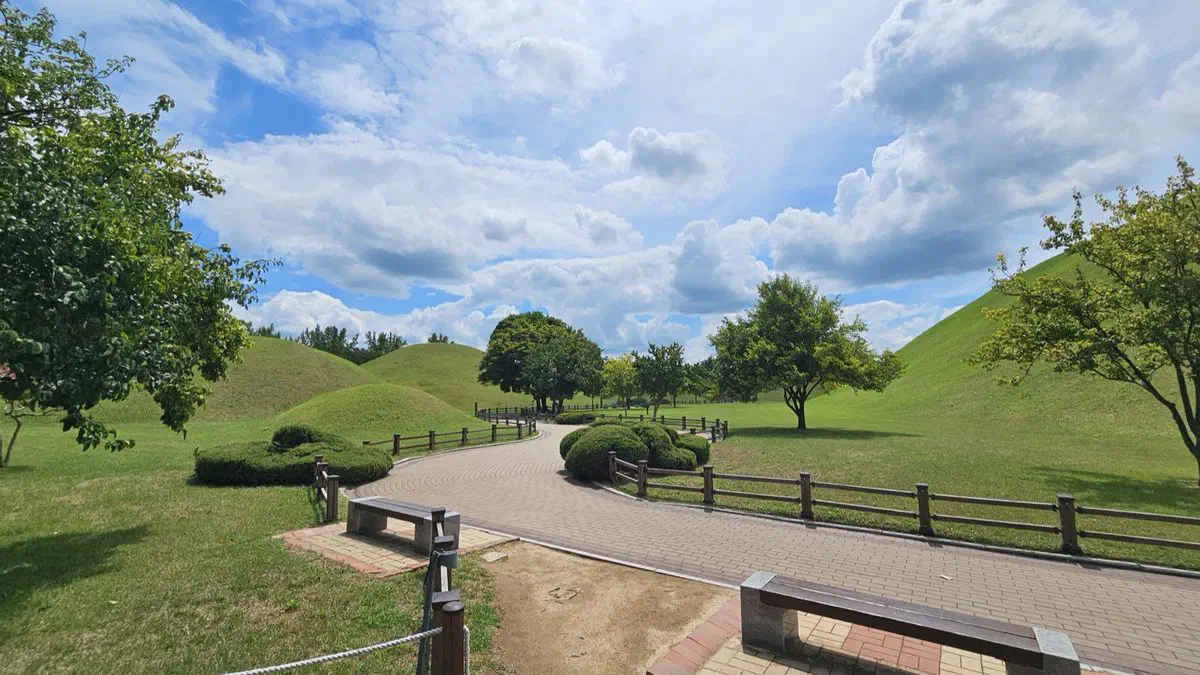
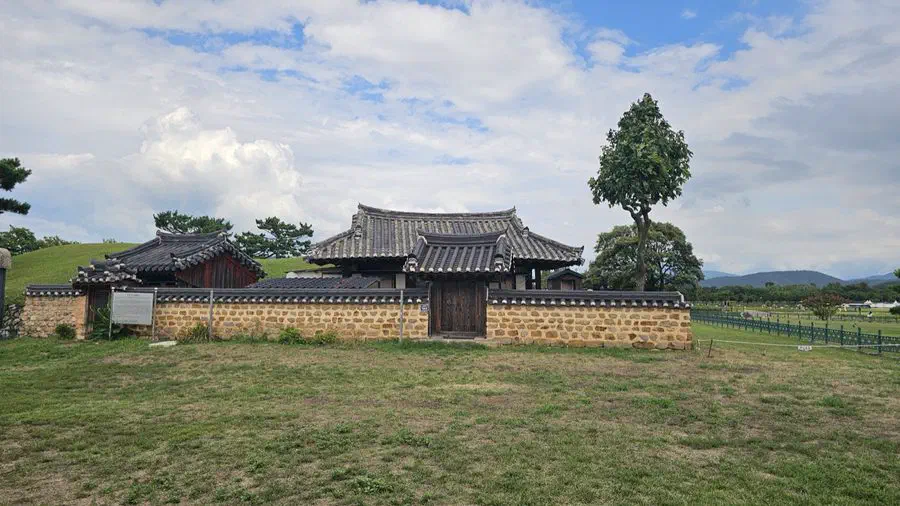
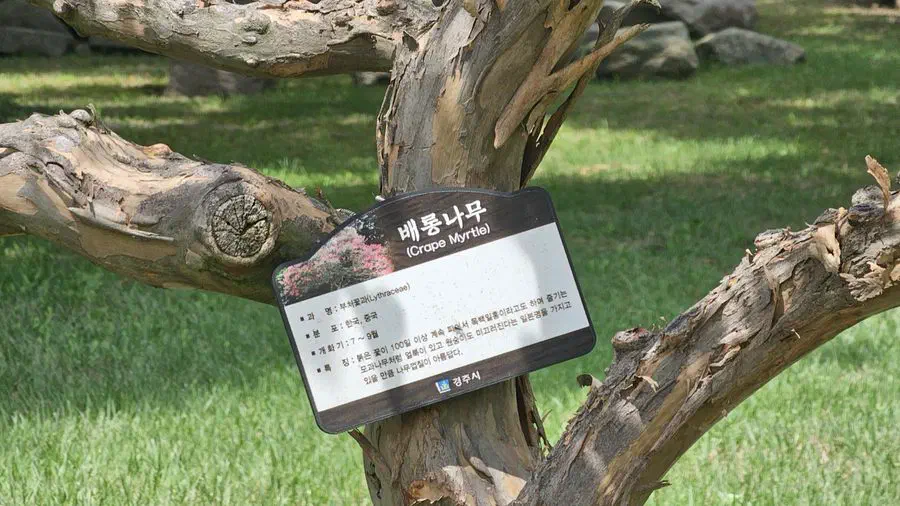
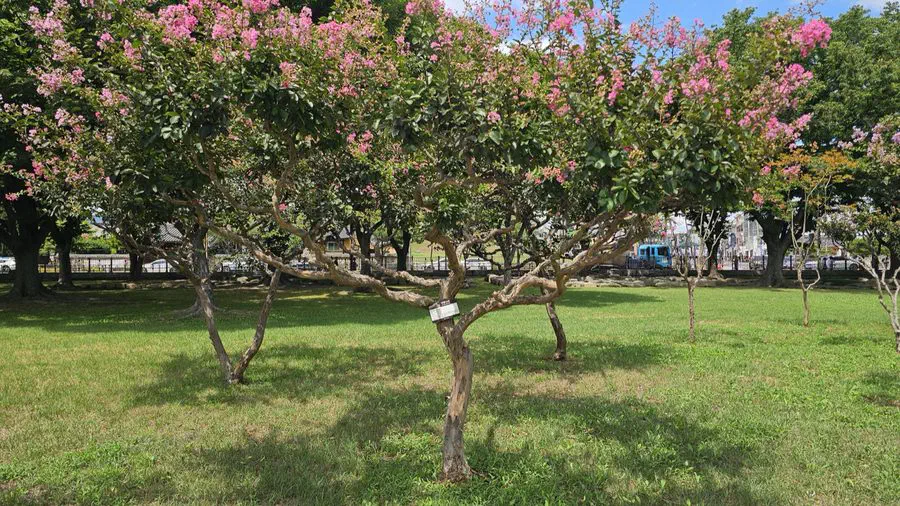
Checking out, we spent the morning in Daereungwon, the tomb park in the middle of downtown, and walked into Cheonmachong — one of the 23 Silla royal tombs inside the park, excavated and opened so visitors can walk into the burial chamber itself and see the gold artifacts recovered from it.
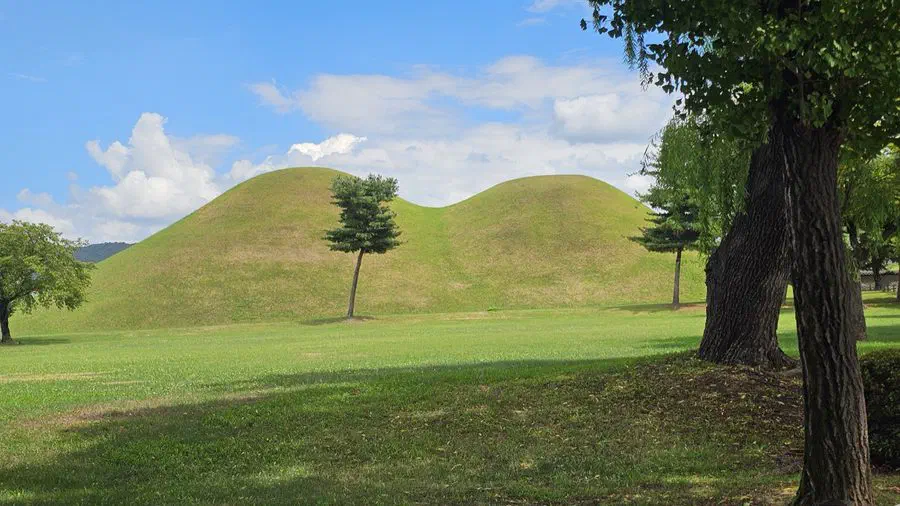
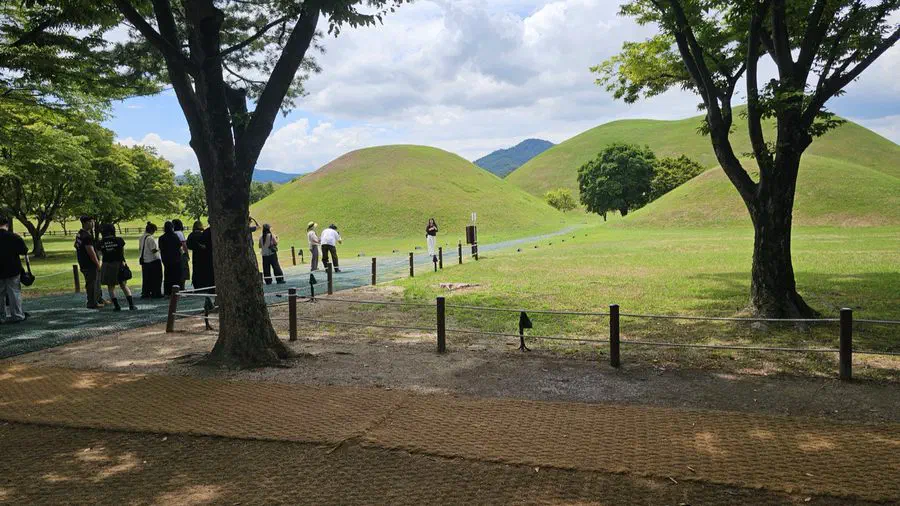
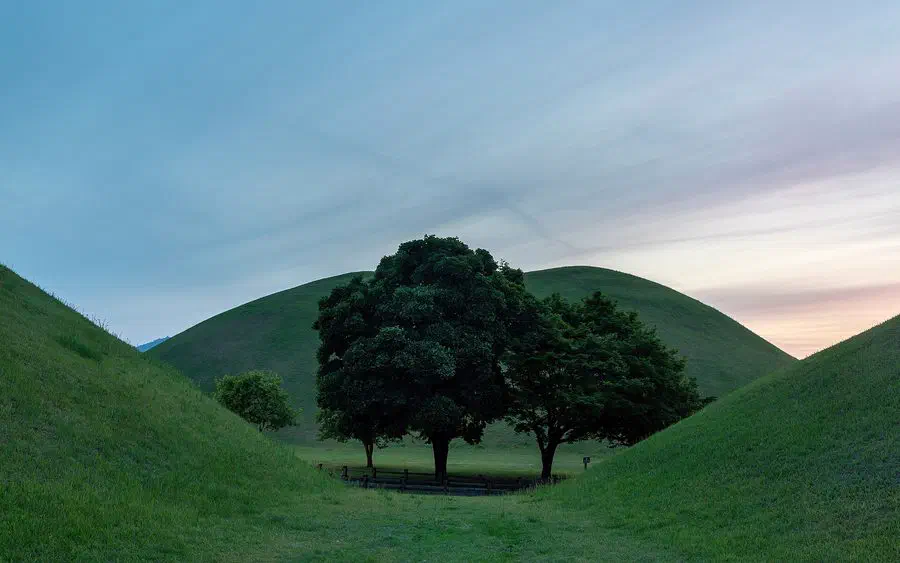
Photos: Ilsang, Ilsang — Everyday Korea, unposed · Basile Morin, Wikimedia Commons

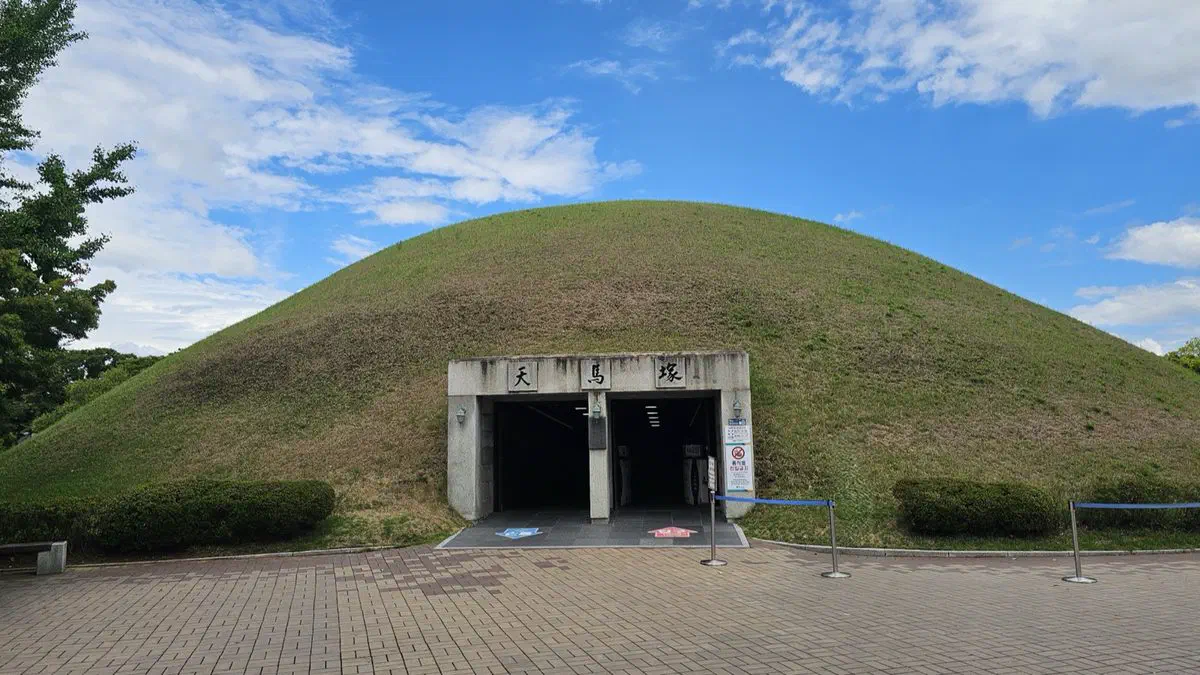
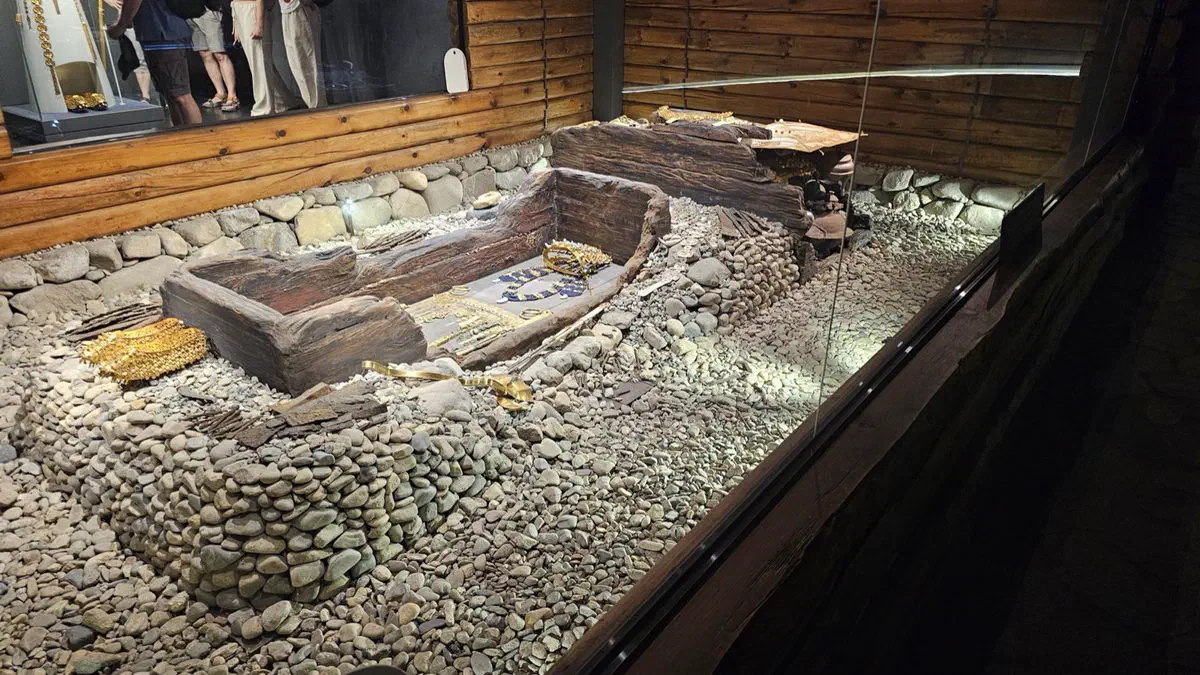
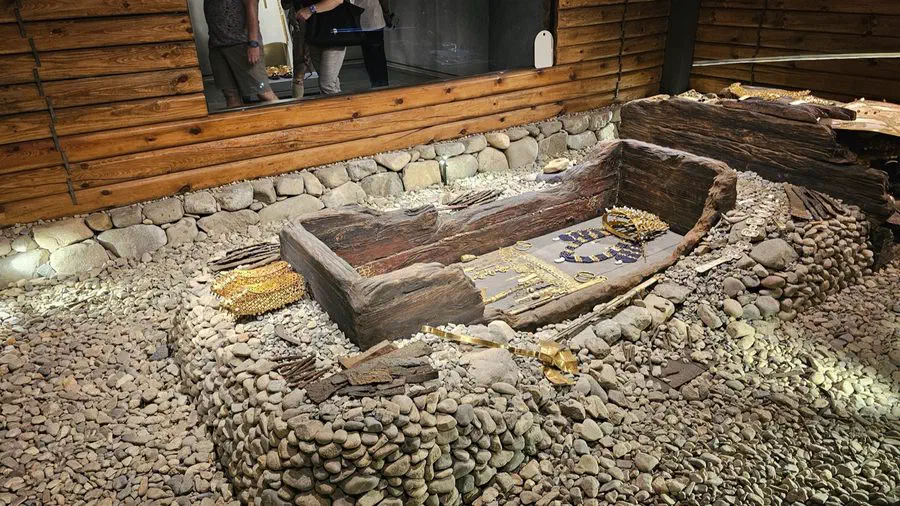
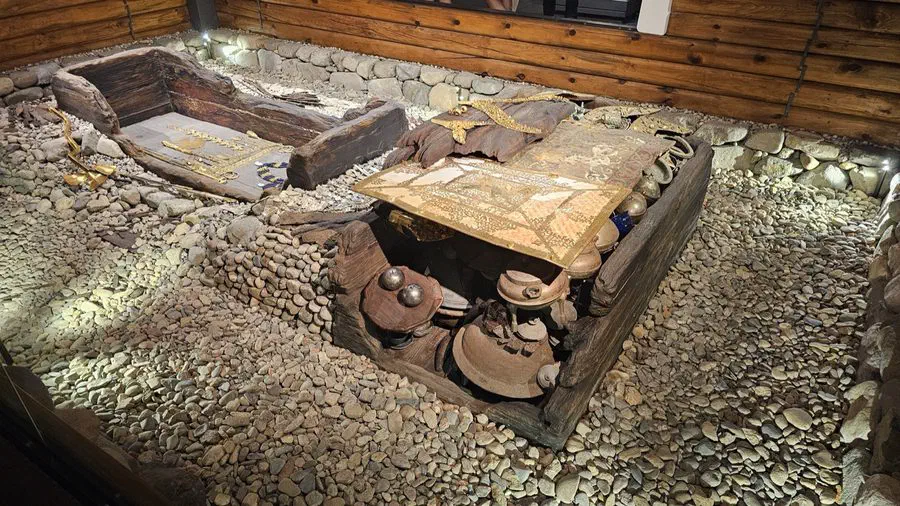
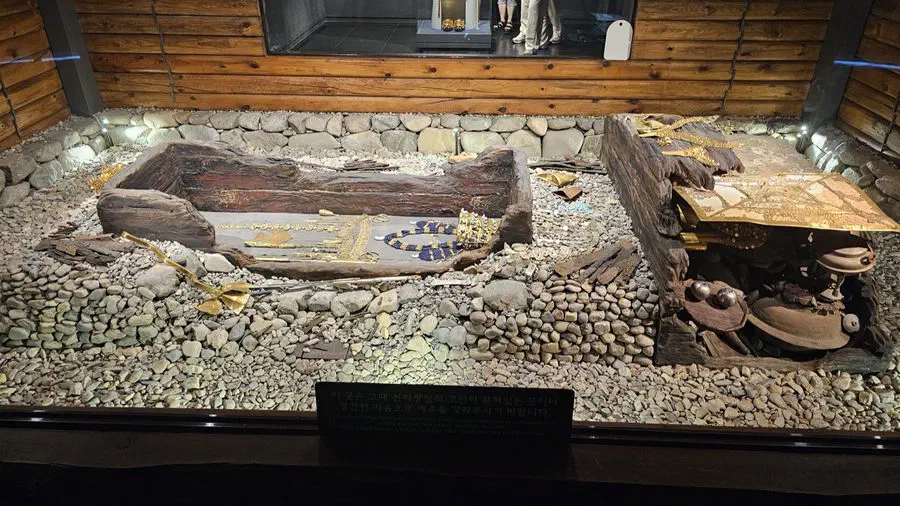
Photos: Ilsang, Ilsang — Everyday Korea, unposed
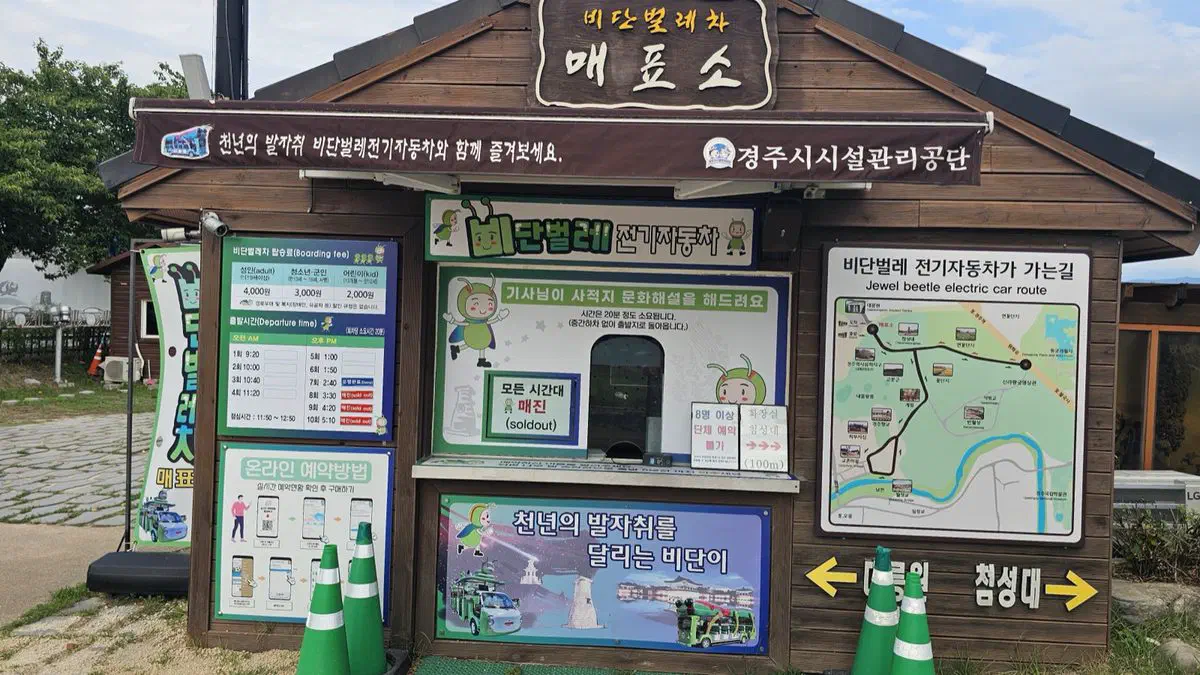
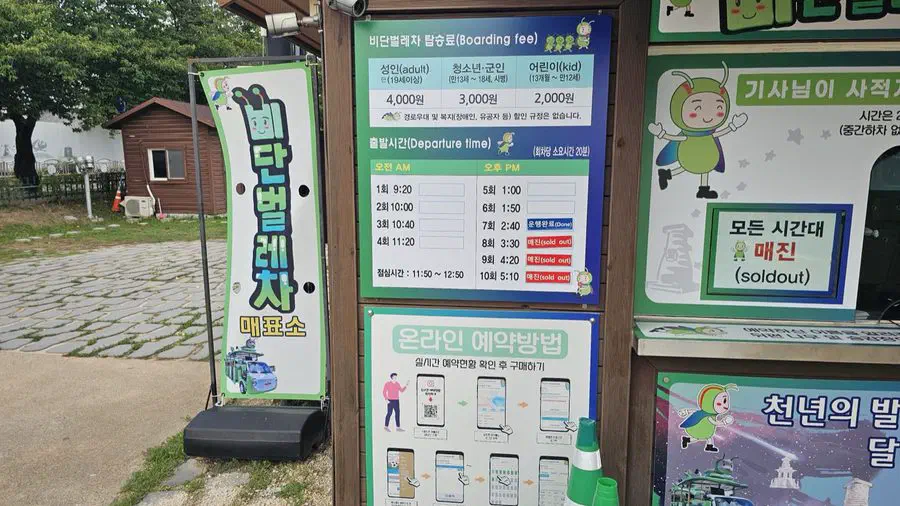
A small, useful thing nobody’s itinerary mentions: a “silkworm beetle” electric shuttle car connects Daereungwon, Cheomseongdae, Wolji and the National Museum on a loop, with tickets from ₩2,000 for kids to ₩4,000 for adults. We didn’t book far enough ahead and most afternoon departures were already sold out — reserve online if the walk between sites is a concern, especially with children.
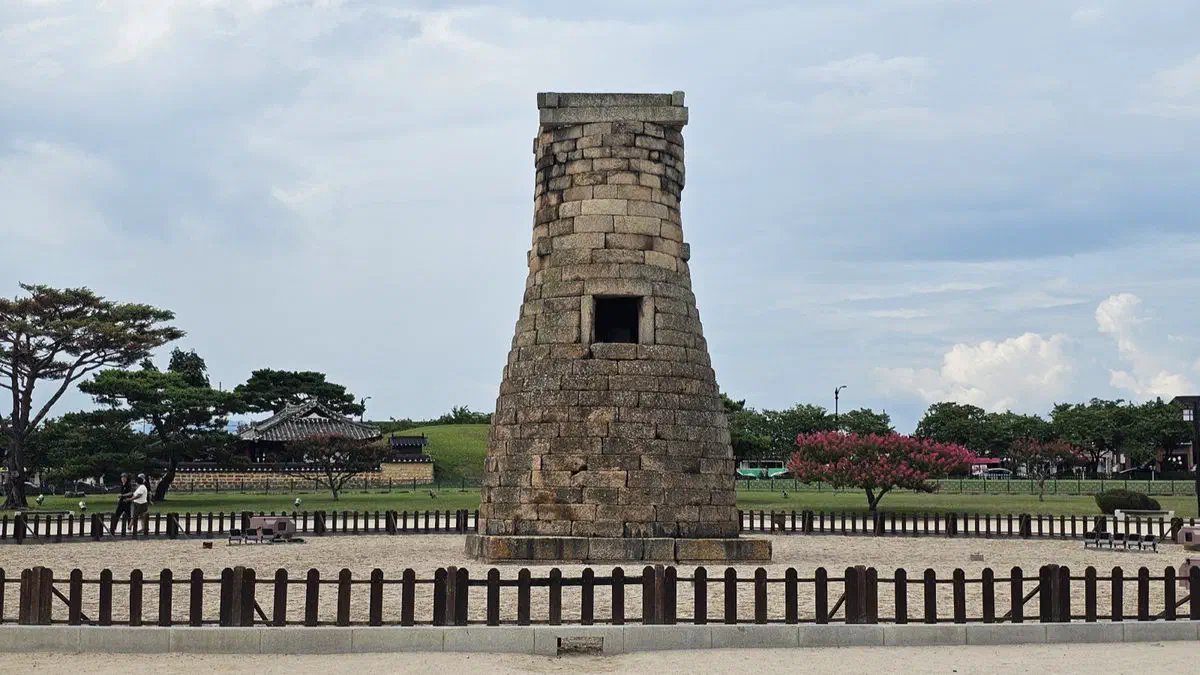
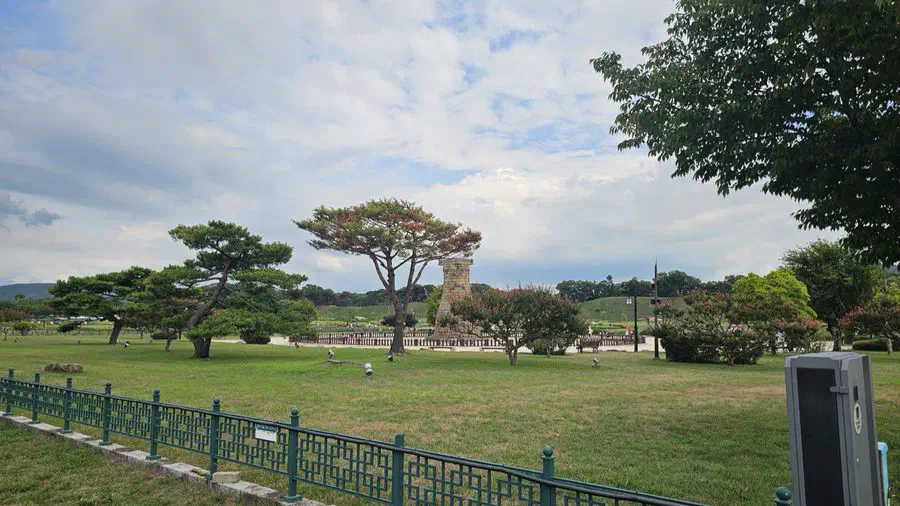
We finished at Cheomseongdae itself, the 7th-century observatory and the oldest surviving structure of its kind in East Asia, before the taxi back to the station this guide opened with.
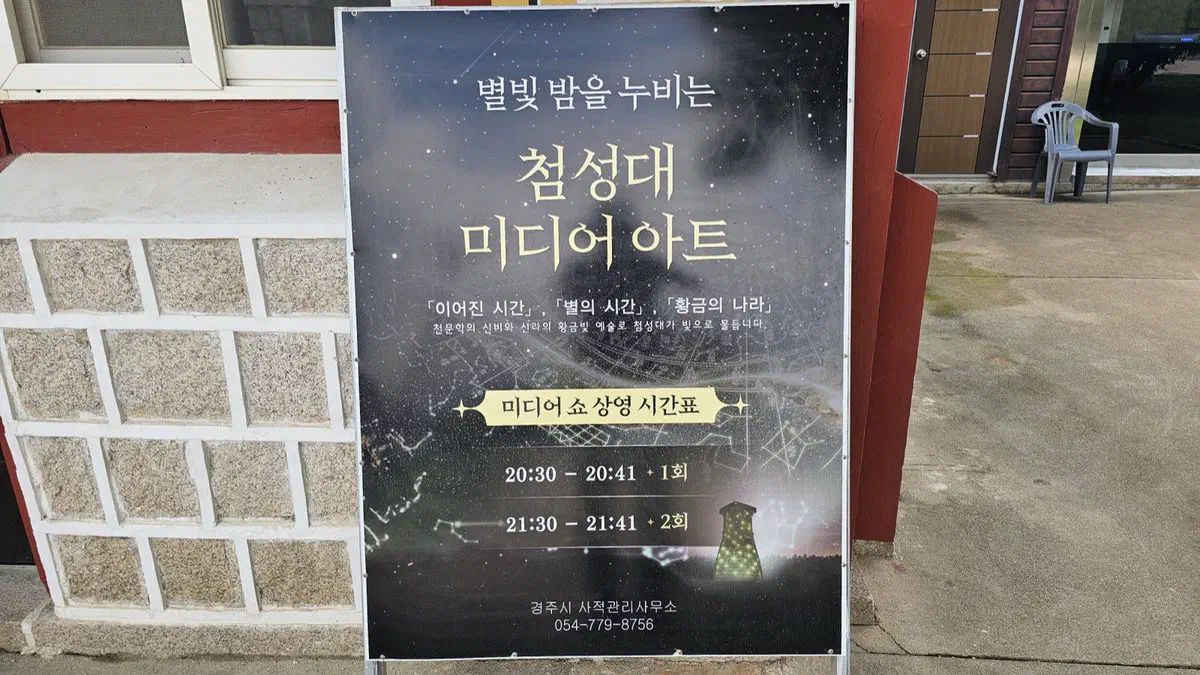
After dark the tower doubles as a screen: a nightly media art show projects onto Cheomseongdae itself, two 11-minute screenings a night at 20:30 and 21:30, run by the Gyeongju city heritage office. We didn’t stay for it ourselves, but the schedule board posted at the site is worth checking if your visit runs into the evening.
Photos: Ilsang, Ilsang — Everyday Korea, unposed
Getting around without a car
Gyeongju is unusually set up for cycling — 108 km of dedicated paths across six routes, built up since 1994, with the city’s public bike system, Tasilla, running around a hundred rental stations across town. It is flat, low-traffic by Korean city standards. It will not get you to Bulguksa comfortably — that distance and the climb up Tohamsan are a bus, taxi or car trip, not a ride, and the coast is well beyond cycling range from downtown.
Where to stay
Gyeongju has 52 hanok on the booking platforms — far fewer than Jeonju’s 735, but enough to make a hanok stay realistic downtown if you would rather walk to the tomb park than drive out to Bomun Lake the way we did.
Stays in Gyeongju and Klook’s hotel listings both carry them.
One week competes hardest for those rooms. The Gyeongju Silla Cultural Festival has run every October since 1962 — parades, folk games and competitions across the historic core — and it books the city out further ahead than an ordinary autumn weekend. If your dates can flex, either lean into the festival week deliberately or avoid it for a quieter visit.
Arriving
By KTX from Seoul Station, about two hours. Remember the transfer at the other end — the 15 to 20 minutes into downtown is part of the journey, not an afterthought, and it was closer to 20 for us in afternoon traffic.
By express bus from Seoul, closer to three and a half hours, but often landing nearer the center than the train does.
If you are stringing Gyeongju together with Busan and Jeonju in one trip, this is exactly the case our rail pass guide makes for buying one rather than paying per ride. Busan is the natural pairing — close enough by KTX to combine in a single week. Bring a Korean eSIM before you go; Naver Map is what actually got us from the shuttle stop to the grotto entrance, and from the coast road back to the highway.
Quick answers
Is Gyeongju Station actually in downtown Gyeongju?
Are Bulguksa and Seokguram free to enter?
How do I get from Seoul to Gyeongju?
Does Gyeongju have a bike-share system?
Checked 24 August 2026, from a family visit 2026-08. Station history and the 2023 renaming from Korean rail reference sources; the current station’s distance from downtown confirmed against our own transfer time. Bulguksa and Seokguram admission and seasonal hours, and the distance between them, from Gyeongju city’s own tourism pages. Tasilla bike-share station count and the 108 km path network from Gyeongju city cycling infrastructure reporting. Hanok count from Booking.com’s hanok category. KTX travel time from Korail’s published timetable. Electric shuttle prices and route confirmed on-site 2026-08. Cheomseongdae’s media art schedule — two 11-minute screenings nightly at 20:30 and 21:30 — read directly off the schedule board posted at the site, photographed 2026-08. Hours and prices change — confirm before you travel.