Seoul in Three Days: Built Around the Palace That's Closed
Last verified: 2026-08-15. Rules and prices change — always confirm on the official site before you travel.
This page contains affiliate links. If you book through them we may earn a commission at no extra cost to you. It never changes what we recommend.
Most three-day Seoul plans assume every palace welcomes visitors every day. None of them do. Gyeongbokgung closes Tuesday. Changdeokgung, Deoksugung and Changgyeonggung all close Monday instead. Over three days you will hit at least one of those closures, and which one you hit decides how you arrange the other two days — so this guide starts from that fact rather than from a fixed Day 1, Day 2, Day 3.
Seoul absorbs the large majority of Korea’s first-time visitors — most people planning “Korea” are really planning “Seoul plus maybe one other city” — and yet the site’s own coverage of it has lived in scattered pieces until now: a palace-ticket page here, a hanbok-rental page there, a subway rulebook somewhere else. This page is the thing that ties those pieces into an actual three days, in the order a first visit needs them.
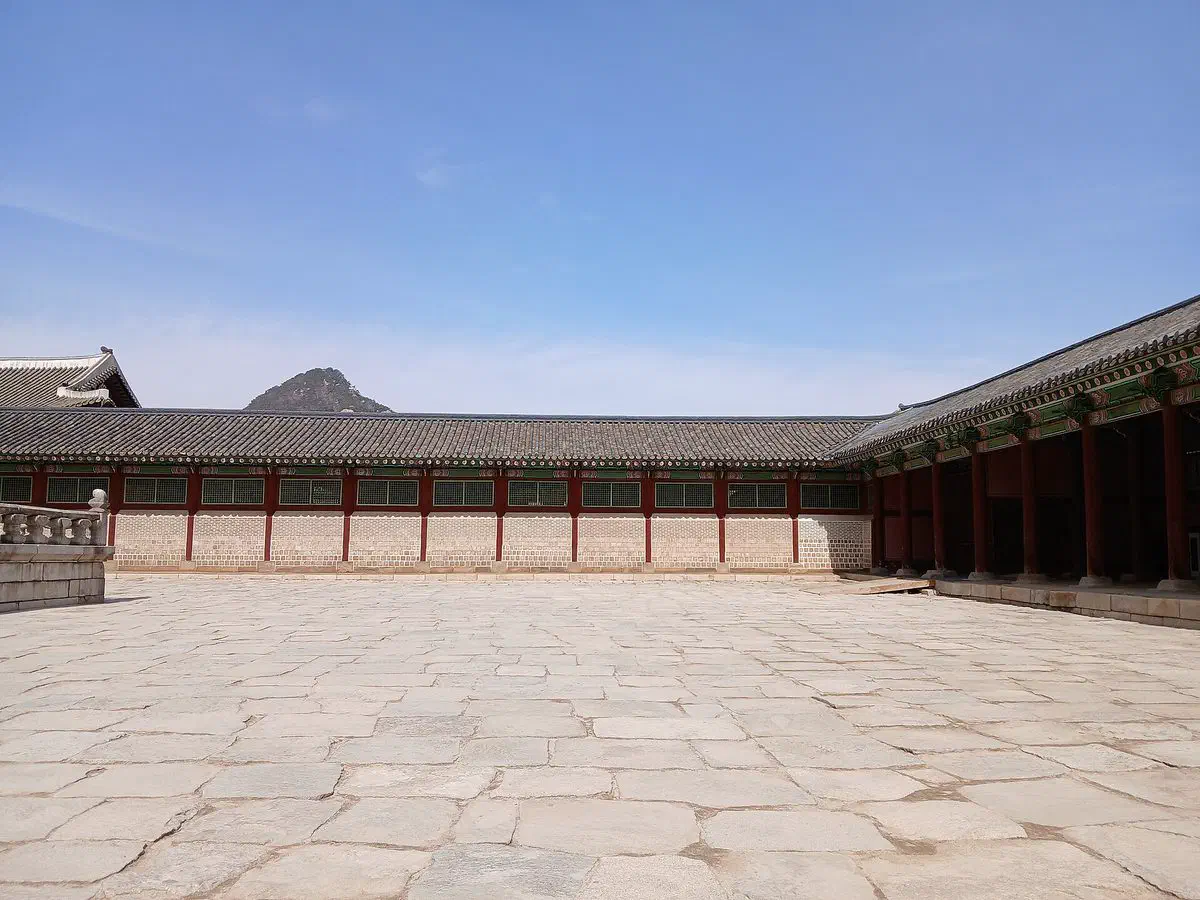
Three days in Seoul, organized by type of day rather than by date
- The palace day
- Whichever palace is open. Ticket, hanbok, the works
- The insurance day
- Whichever palace is closed — the National Museum almost never is
- The neighborhood day
- Bukchon on foot, inside the hours that matter
Figure out which palace is closed on which of your three dates before you plan anything else, then slot these three day-types onto your actual calendar.
The palace day
Pick whichever of the four is running that day. Seoul palace tickets covers pricing and the combined-ticket math; the short version is that Gyeongbokgung draws the biggest crowd, and it happens to close on the exact day the other three welcome visitors, so check the specific date rather than assuming yours matches the postcard.
Wear hanbok and the entry fee disappears. Hanbok rental at Gyeongbokgung covers where and what it costs, and it stacks well with the free English tours most palaces run — that schedule also covers Jongmyo, which you can only visit on a guided tour, four days a week, no exceptions for the other three.
The insurance day
This is the day your chosen palace stays shut, and it is also the easiest of the three to plan, because one answer covers most of it: the National Museum of Korea closes only three days a year and runs until nine on Wednesdays and Saturdays. Free entry, and large enough on its own to swallow a full day without repeating a gallery.
Pair it with something hands-on if the museum alone feels thin — a craft workshop in Bukchon or Insadong, or an afternoon at the Sool Gallery tasting traditional liquor for free. Both sit close enough to the museum’s neighborhood that you can walk between all three without a taxi.
The neighborhood day
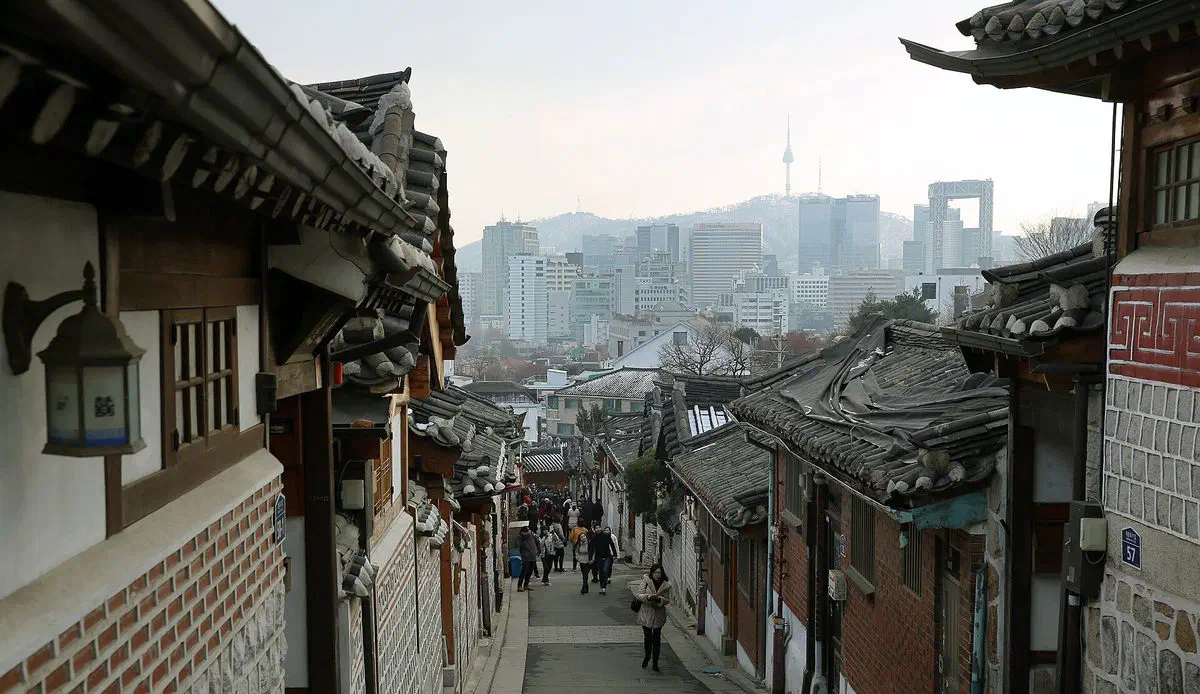
Bukchon, Seochon or Ikseondong on foot — hanok alleys, craft studios, tea houses. The one thing to know before you go: Bukchon-ro 11-gil, the famous photo lane, restricts tourism to 10:00–17:00 with a fine outside those hours. Build the walk around that window rather than discovering it at 17:15.
Getting around
Subway fares start at ₩1,550 and rise with distance; the full fare and transfer guide covers the tap-out rule that catches people who assume Seoul works like other cities’ systems, plus the early-morning discount most guides miss entirely.
Addresses are the other trap. Reading the road suffix — daero, ro, gil — tells you how easy a place will be to find before you set out, and an hour with Hangul gets you far enough to read station names and shop signs without an app.
Where to stay
Bukchon, Seochon or Ikseondong covers the actual decision among Seoul’s three hanok neighborhoods in depth. The short version: all three sit within walking distance of the palace cluster and Insadong’s workshops, so the choice comes down to atmosphere and budget rather than logistics.
Stays in Seoul and Klook ’s hanok listings both carry them. If Itaewon or Buam-dong end up on the itinerary, our guide to Seoul’s Itaewon Class and CLOY filming locations covers what’s actually still there to see. A Korean eSIM sorted before you land is worth more here than almost anywhere else on this site — three days of palace schedules, subway transfers and alley addresses is exactly the kind of trip a map app earns its keep on.
Quick answers
Which day does Gyeongbokgung close in Seoul?
What should I do on the day my chosen Seoul palace is closed?
How much does the Seoul subway cost?
What time does Bukchon's photo lane restrict tourists?
Checked 14 August 2026. Palace closing days from Korea Heritage Service scheduling, cross-checked against our own palace tickets guide. National Museum hours and closure count from the museum’s own visitor information. Bukchon-ro 11-gil hours and fine from Jongno district’s Special Management Area rules, as sourced in our travel rules page. Subway fares from Seoul Metro’s published tariff. Rules and hours change — confirm the specific dates on official sites before building a trip around them.