Korea Tourism News for Foreign Visitors, 2026
Last verified: 2026-09-17. Rules and prices change — always confirm on the official site before you travel.
Korea’s tourism authorities have been unusually active in 2026, and almost none of it reaches English-language travel coverage before a trip is already booked. This page tracks what’s actually changed for foreign visitors specifically — not the yearly visitor-count headlines, but the services, entry rules and programs a traveler can act on.
K-ETA: still exempt through the end of 2026
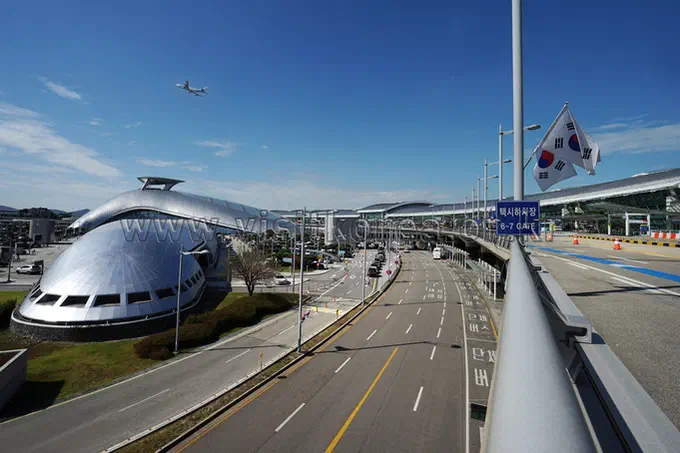
If your country is on Korea’s K-ETA exemption list — the U.S. and 66 other countries and territories are, as of this writing — you do not need to apply for a K-ETA to visit Korea through 31 December 2026. Korea’s government confirmed this one-year extension in late 2025, and it’s stated directly on official embassy notices, including Korea’s embassy notifications to Canada and the official K-ETA site.
Two things worth knowing if you’re exempt: you can still apply for a K-ETA voluntarily (for a fee) if you want its side benefit of skipping the arrival card, and what happens after 31 December 2026 has not been officially announced yet — don’t trust a specific date for K-ETA becoming mandatory again until Korea’s Ministry of Justice or Ministry of Foreign Affairs says so directly. Separately, since 1 January 2026, an e-Arrival Card became mandatory for all entrants who aren’t otherwise exempt — one more reason to check your entry requirements close to your travel date rather than relying on what was true last year. The current rules, changes included, are tracked in full on Korea travel rules.
A single “Visit Korea” hub, coming by 2028
The Korea Tourism Organization’s leadership announced in February 2026 that it will consolidate 13 separate, fragmented tourism websites into one platform — “Visit Korea” — by 2028, alongside a multilingual AI travel assistant and an integrated tourism-and-transportation pass for foreign visitors. The announcement also moved KTO’s target of 30 million annual foreign visitors up from 2030 to 2028. None of this exists yet as a usable product as of this page’s last check — it’s a stated direction, not a current service — but it explains why KTO’s various English-language sites currently feel scattered across different domains and designs; that’s acknowledged as a known problem the agency is actively working to fix.
Source: The Korea Times, 2 February 2026.
An airport welcome program, and new support for wellness tourism
Less reported: the Ministry of Culture, Sports and Tourism ran a “Welcome Week” at Gimhae Airport from 1–14 June 2026 — multilingual information booths, welcome kits on arrival, and small farewell gifts for departing tourists. It’s the kind of program that’s easy to miss if you didn’t happen to be flying through Gimhae that specific fortnight, and there’s no indication yet of whether or when it will run again or expand to other airports — treat it as a one-off pilot rather than a standing service until KTO says otherwise.
The same ministry, following Korea’s Healing Tourism Industry Promotion Act (effective 9 April 2026), selected 20 wellness-tourism sites from 88 applicants, each eligible for government support — up to roughly ₩50 million — toward competitiveness, overseas promotion and digital services aimed at international guests. VisitKorea’s own digital content was also expanded to 8 languages around the same time.
Source: AJU Press, 1 June 2026.
The other 2026 change worth knowing: a crackdown on overcharging
Separately from the programs above, Korea’s Culture Ministry and Fair Trade Commission announced a package in February 2026 specifically targeting hotel price-gouging, taxi overcharging, and non-transparent street-food pricing — the practical, “how do I complain” side of that policy is covered in full, with the actual phone numbers and channels, on what to do when something goes wrong as a tourist.
Do U.S. citizens need a K-ETA to visit Korea right now?
Is there already one official "Visit Korea" website?
Is Gimhae Airport's "Welcome Week" a permanent program?
Checked 17 September 2026. K-ETA exemption status from Korea’s embassy notice to Canada and the official K-ETA site. KTO’s 2028 consolidation and AI-assistant plans from The Korea Times, 2 February 2026. Welcome Week and wellness-tourism site selection from AJU Press, 1 June 2026. Entry rules and program details change without much English-language notice — confirm anything time-critical on the official K-ETA site or your destination airport before you travel.