Sansa: Korea's Seven UNESCO Mountain Monasteries
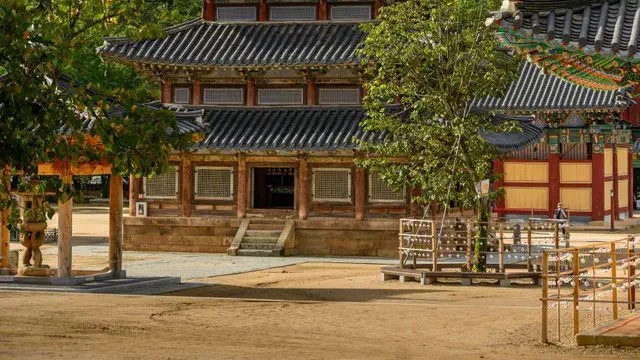
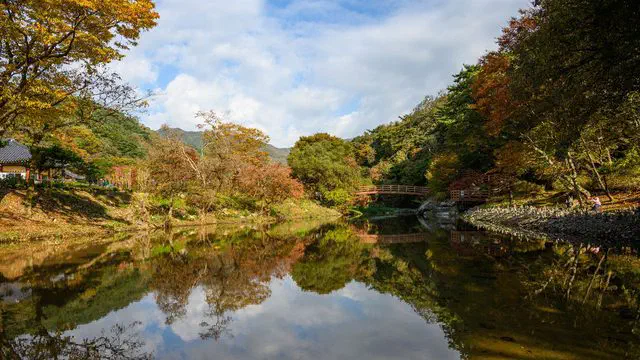
Seven working Buddhist temples, inscribed by UNESCO as a single site in 2018 — which ones you can reach without a car, and what makes each one worth the trip.

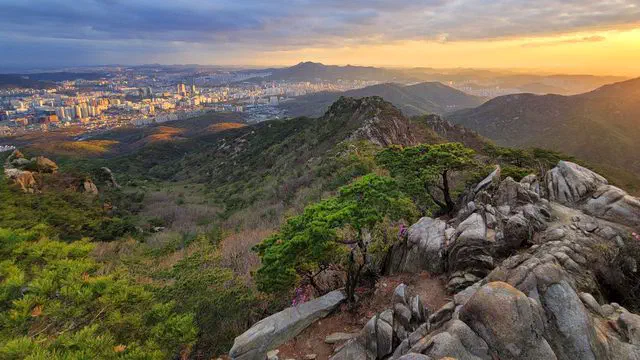
Photo: Korea Tourism Organization — ⓒ한국관광공사 사진갤러리-한국관광공사 안방실, Photo Korea
Which mountain, which trail, and how to get there without a car — starting with the three that draw the most foreign hikers.
Foreign visitors to Korea’s national parks are not evenly spread across the country. A small number of mountains draw the overwhelming majority of them, and the ranking is not what most guides assume.
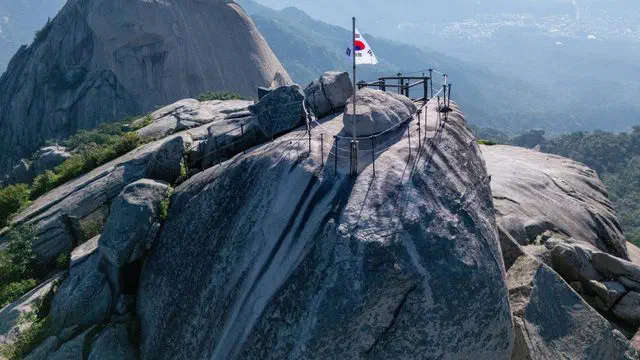
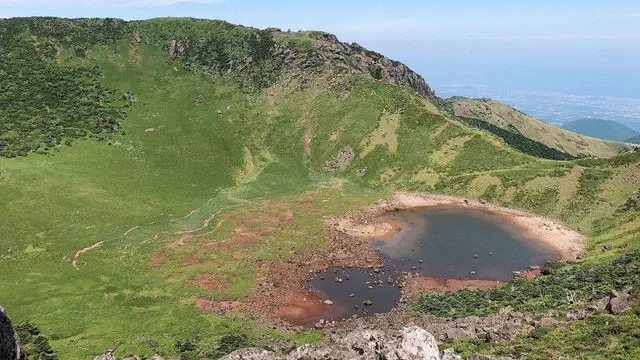
Hallasan, on Jeju, brings in more foreign hikers than any other Korean mountain — a figure well over double the next name on the list. Seoraksan is second, comfortably ahead of everything except Jeju. Bukhansan, inside Seoul’s city limits, is third — no flight or long bus ride required, which is part of why it has become a genuine trend rather than a niche interest among visitors deciding between another palace and a real trail.
That third fact is the more interesting one. Korean and English coverage alike has started describing a shift — visitors choosing a mountain over another neighborhood of cafés — distinct enough to have picked up its own name: K-hiking.
Not a ranked list. Each mountain gets its own page, because “which trail” and “how do I get there without a car” are different questions on every one of them, and a single shared list flattens exactly the details that decide whether a day trip works.
Each page covers transit, trail options by difficulty, the season that actually matches the photos you have seen, and what to know before you go — not just that the mountain exists.
Two pieces here aren’t about a single mountain at all. If you’re not sure which hike fits you, start with hiking near Seoul, sorted by difficulty — it adds four more mountains (Namsan, Achasan, Gwanaksan, Cheonggyesan) not covered above, and sorts all nine from a 30-minute walk to a two-day ridge traverse. And once you know what you need: Seoul will lend you hiking boots — free — three city-run centers near Bukhansan, Bugaksan and Gwanaksan rent foreign visitors hiking gear at no charge, and it’s a Seoul-only program none of the other mountains above have. And beyond Songnisan’s own Beopjusa: Sansa, Korea’s seven UNESCO mountain monasteries — which of the other six you can actually reach without a car, and which effectively need one.
Checked 25 August 2026. Foreign-visitor rankings among Korea’s national parks, and the “K-hiking” framing, from current Korean and English travel reporting on the trend. Individual trail, transit and seasonal detail is sourced and dated separately on each mountain’s own page as it publishes.
Seven working Buddhist temples, inscribed by UNESCO as a single site in 2018 — which ones you can reach without a car, and what makes each one worth the trip.
From a 30-minute walk in sneakers to a two-day ridge traverse — nine Korean hikes sorted by what they actually demand, easiest to hardest.
Three city-run centers near Bukhansan, Bugaksan and Gwanaksan rent foreign visitors hiking boots and clothing at no charge — what's free, and how to book.
Korea's first national park, its largest, and home to the mainland's second-highest peak. Chilseon Valley just reopened after two decades of near-total closure.
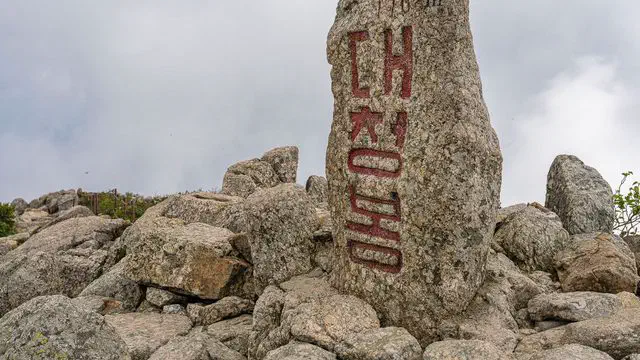
Beopjusa charged an entry fee for 56 years before it ended in 2023, along with the same fee at 64 other Korean temples. Visitor numbers jumped within a year.
Bukhansan draws more foreign hikers than any in-city mountain in Korea. Four routes by difficulty, real gear shops, the food after, and what to check first.
Hallasan draws more foreign hikers than any Korean mountain, and the reservation only covers the final stretch to the crater — not the whole trail.
Seoraksan draws Korea's second-most foreign hikers and its earliest autumn colors. The cable car, the real routes to Daecheongbong, and what closes when.